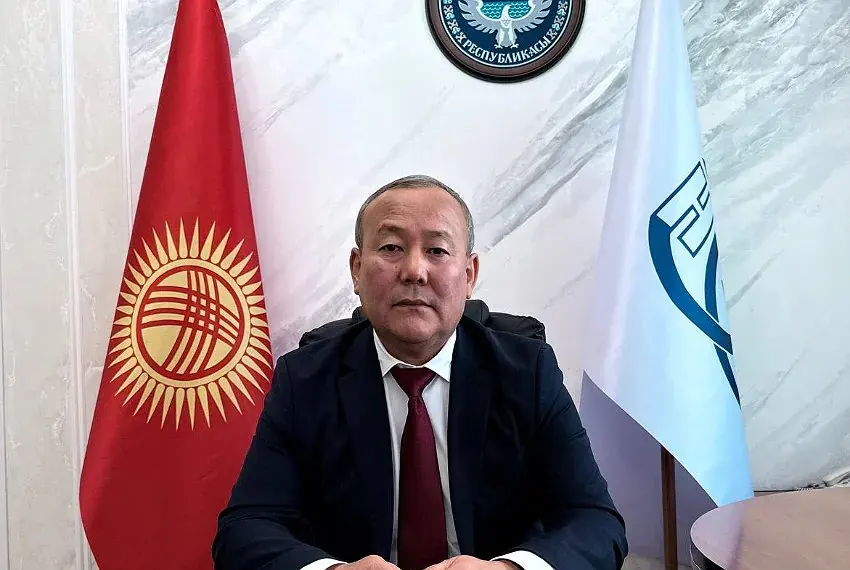
Kyrgyzstan has quietly made a change that could affect anyone planning a winter trip to the country. Rustam Sakiev has been appointed General Director of the National Electric Network of Kyrgyzstan (NENK), the state company that runs the country's electricity transmission and distribution grids. The Board of Directors signed off on the appointment, and Deputy Energy Minister Mirlan Parkhanov introduced the new head to staff on November 13.
Sakiev is no outsider parachuted in from elsewhere. He has worked in Kyrgyzstan's energy sector since 2011 and studied power supply systems at the I. Razzakov Kyrgyz State Technical University. He replaces Ilgiz Sydygaliev, who was relieved of his duties on November 2 as he moved to a new role elsewhere.
At the staff meeting, officials set out a familiar but demanding to-do list: keeping the lights on for consumers, modernising ageing grids, pushing forward investment projects and developing the country's energy infrastructure. Extra weight was placed on system stability through the autumn-winter period, timely repairs, better customer service and the rollout of digital technologies.
So why should a traveller care? Because Kyrgyzstan's power supply genuinely has holiday implications. The mountainous country leans heavily on hydroelectric generation, and cold winters — when rivers freeze and demand for heating spikes — have in recent years brought rolling blackouts and rationing, especially outside the capital. For visitors, that can mean evening power cuts in guesthouses around Issyk-Kul, drafty homestays in villages along the Silk Road routes, or a hotel lift that simply stops working in Bishkek on a minus-15°C night.
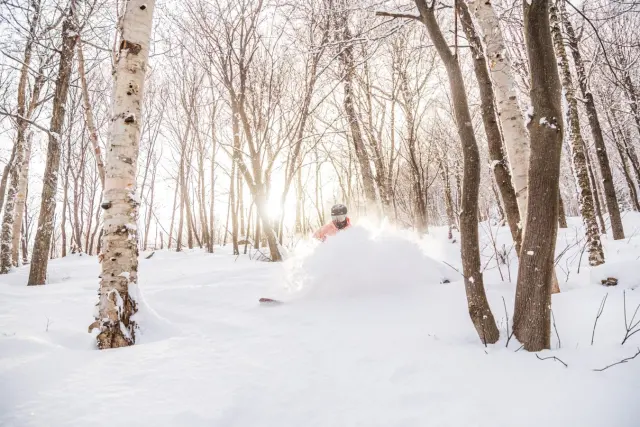
A leadership change at the grid operator doesn't fix anything overnight. But the explicit focus on winter stability and grid modernisation signals that authorities are aware of the problem — a good sign for anyone eyeing a ski trip, a winter trek, or an off-season stay in a mountain village. Kyrgyzstan's winter tourism has been quietly growing, with resorts like Karakol pulling in skiers and freeriders who come for the powder at prices far below the Alps. Reliable electricity is the difference between a cosy log fire and a very long, cold night.
For the moment, treat the story as context rather than a warning: Kyrgyzstan remains one of Central Asia's most rewarding and affordable destinations, and most trips — especially summer trekking around Song-Kul or the lakeside towns of the Tien Shan — are unaffected by grid strain. But if you're heading there between December and February, packing a power bank and a good headlamp is simply smart. And it's worth watching how the new director's modernisation plans translate into fewer outages over the coming winters.
Reported by 24.kg.