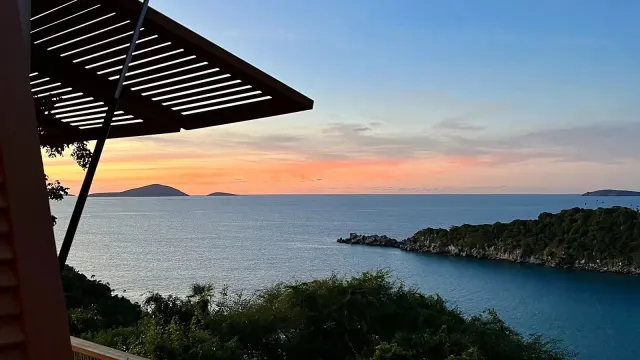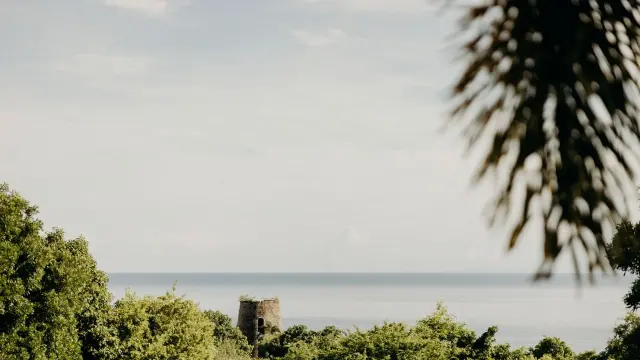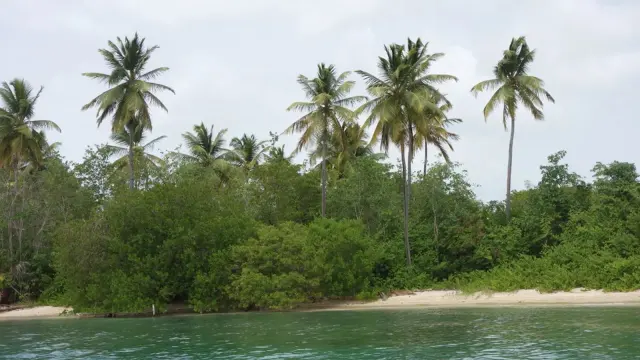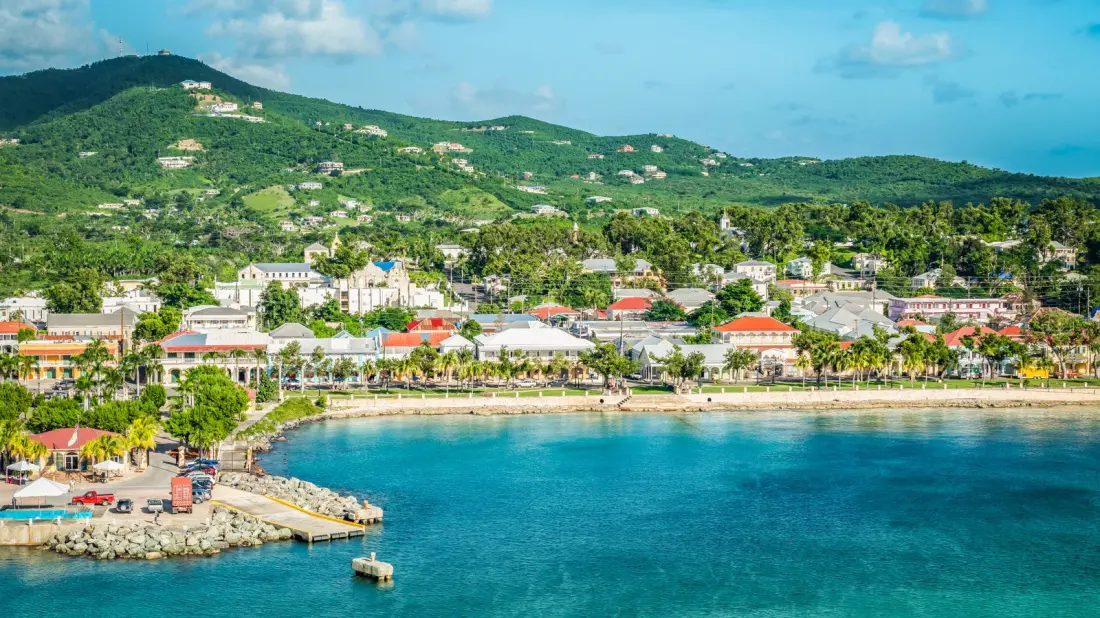
For Americans dreaming of a barefoot retirement in the Caribbean, the US Virgin Islands are the obvious first stop — no passport required. But of the three main islands, the case for St. Croix is strong: it's the biggest of the trio yet feels less crowded, and realtors including Christie's International and Seaglass Properties call it the most affordable place to live in the territory.
The numbers back that laid-back reputation. St. Croix has roughly 41,000 residents, slightly fewer than St. Thomas, and draws fewer cruise crowds too. St. John, by contrast, is tiny (under 4,000 residents), mostly national parkland, and has no airport at all. St. Croix has its own airport, a wider pool of housing, and still plenty of wild coastline.
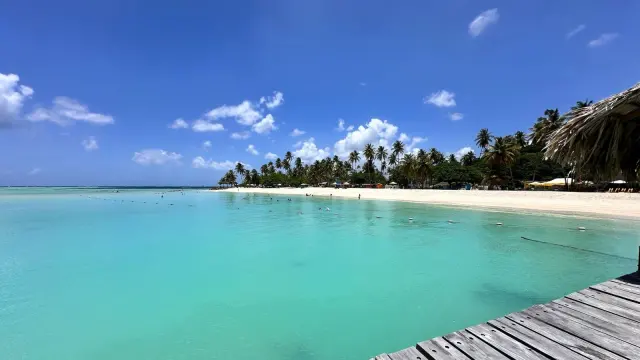
Beaches are the main event. The island has 34 named beaches, headlined by Sandy Point National Wildlife Refuge — a completely undeveloped stretch often ranked among the world's best. One catch: it closes to visitors from mid-April through August so nesting leatherback turtles can nest undisturbed. For an active scene, Rainbow Beach offers jet ski, kayak and paddleboard rentals plus a lively beach bar with live music, while Cane Bay Beach is the launching point for diving "The Wall," which drops into the Puerto Rico Trench, the deepest part of the Atlantic.
The seafood follows the water. Wahoo, mahi-mahi, tuna and snapper come straight off local boats and onto island plates. AMA near Cane Bay is the island's most-recommended seafood spot per Yelp, with waterside tables; Savant in Christiansted landed on Caribbean Journal's 50 best Caribbean restaurants list for 2025; and Duggan's Reef on the far east end keeps things fresh and simple.
Cultural life punches above the island's size. Point Udall, the easternmost point of the United States, holds the Millennium Monument stone sundial — the first place in the US to catch the sunrise. Christiansted National Historic Site, Fort Frederik and two museums round out the history, and the social calendar runs from Mardi Croix and a St. Patrick's Day parade to quarterly Jump Up street parties, where Moko Jumbie stilt-walkers lead the dancing.
Practicalities matter if you're moving rather than visiting. Winters average a comfortable 77°F, but hurricane season runs June through November. The island is 28 miles long and seven wide, so you'll want a car — and you'll be driving on the left. Between Christiansted and Frederiksted, the island's two historic towns, you'll find the bulk of dining, events and housing options.
For retirees who want island life without the price tag or crowds of St. Thomas, St. Croix balances cost, culture and beach time better than anywhere else in the territory.