One travel writer has admitted to a habit most people would find odd: hoarding old ride receipts and finished itineraries, then replaying journeys through apps long after the trip ended. The giveaway is a Google Maps timeline showing a blue dot frozen in place years ago — a digital ghost of a past holiday that gets visited again and again.
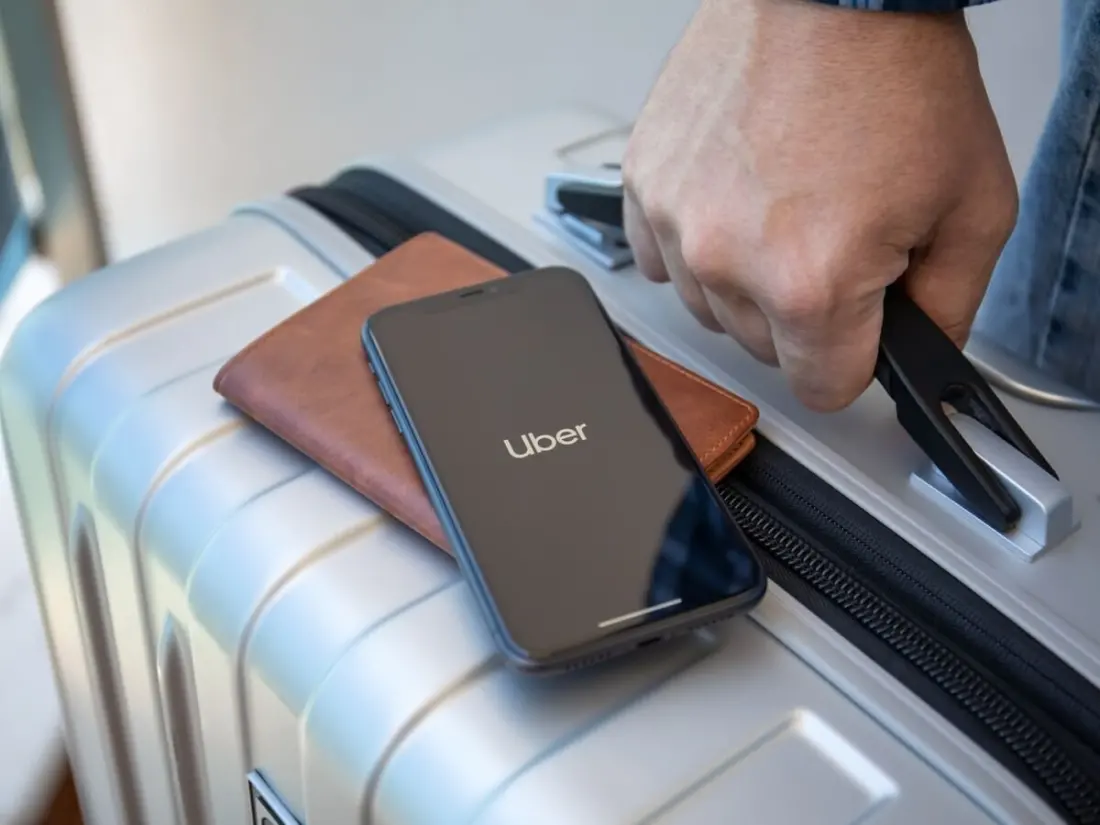
It sounds strange, but there's a real idea underneath it. Travel apps don't just help you book and navigate; they quietly archive your movements. A rideshare receipt, a bus route saved in an itinerary app, a maps history — these become souvenirs. Most of us come home with photos, but few of us think to keep the paper trail of how we actually moved through a place. Revisiting it later is a surprisingly powerful way to bring a trip back to life, especially once the memories start to blur.
There's a second, more practical thread in the piece too: the writer is a committed non-driver when travelling. No rental car counters, no unfamiliar road rules, no parking headaches. Instead it's buses, trains, and the occasional driver in his own Prius — someone local handling the wheel while you watch the city slide past the window. The argument is that handing over the driving removes liability and stress, and it does something else unexpected: it starts building nostalgia before you've even checked in. A ride from the airport with a chatty driver often becomes the first story you tell about a trip.
Who is this for? Anyone who feels a trip evaporate the moment they get home. If you've ever scrolled old photos and felt nothing, try this instead: dig up the maps history, the transit routes, the ride confirmations. Trace the day you got hopelessly lost, the long bus ride through the mountains, the taxi driver who recommended the best meal you ate. It's free, it takes minutes, and it turns your phone's accidental record-keeping into a private travel diary.
It's also a nudge toward travelling in a way that generates those memories in the first place. Sitting in the back of a bus or a shared car — rather than sealed in your own rental — means you're watching, not navigating. You notice the neighbourhoods between the sights. And years later, when a blue dot on a map can stop you in your tracks, you'll be glad you did.
If nothing else, it's permission to keep that drawer full of ticket stubs and receipts. Turns out it's not clutter — it's an archive.