A run of severe September storms turned the Mediterranean into a gauntlet for migrating birds — and Malta became the scene of what one conservation group is calling a massacre. When the bad weather hit, thousands of exhausted birds did what seabound migrants must: they landed. What followed, according to BirdLife Malta, was a spike in illegal shootings of protected species.
The phenomenon is known as a 'bird fall' — adverse weather forces large numbers of migrating birds to set down unexpectedly, often in places they'd normally overfly. Malta sits squarely on one of Europe's busiest migration flyways between Europe and Africa, so its islands are a critical resting stop for birds heading south for the winter. That also makes them easy targets.
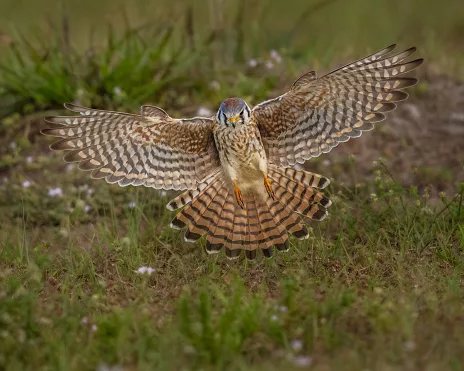
Between 14 and 21 September, BirdLife Malta volunteers collected 21 dead protected birds with confirmed gunshot wounds — among them marsh harriers, kestrels, herons and hoopoes. Hunters also fired into a flock of more than 150 little egrets, killing at least two. Perhaps the most alarming case involved a rare black stork shot outside the Buskett area, a species strictly protected under both Maltese law and EU wildlife regulations. An injured Eurasian hobby, a small falcon, was later found on the grounds of St Edward's College, with a government vet confirming shotgun injuries.
What makes this especially galling for conservationists is that the shooting continued even after the legal hunting season had ended. Malta allows an autumn quota of 500 European turtle doves, and authorities closed the season on 14 September once that figure was reportedly reached. BirdLife Malta says it kept documenting turtle doves being hunted after the closure — along with the other protected species. The group's chief executive, Mark Sultana, didn't mince words, describing the events as a 'massacre of protected birds'. Enforcement is part of the problem: environmental police units, conservationists say, simply can't keep pace with the volume of reports.
The timing makes it worse. Malta is currently weighing proposals that would soften penalties for illegal hunting — lowering fines for first-time and repeat offences involving protected species, and potentially letting people who lost hunting licences over illegal activity win them back. Conservation groups argue this would gut whatever deterrent currently exists for exactly the kind of incidents the islands just witnessed.
For travellers, this story is a reminder that Malta's spectacular natural event — the autumn migration — is also its most contested. Millions of birds funnel through the archipelago each spring and autumn, and while spring raptor watches draw birders from across Europe, the birds' stopovers remain fraught. If you're visiting Malta in September and October, you'll be sharing the countryside with both hunters and volunteer monitoring teams, and organisations like BirdLife Malta sometimes welcome visiting supporters for migration camps and reporting work. Whatever your interest, awareness of the issue — and choosing wildlife-friendly tourism operators — is one way visitors can add weight to the conservation side of an ongoing local debate.