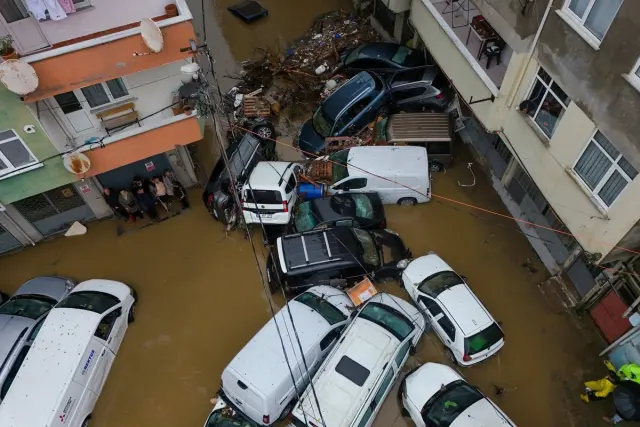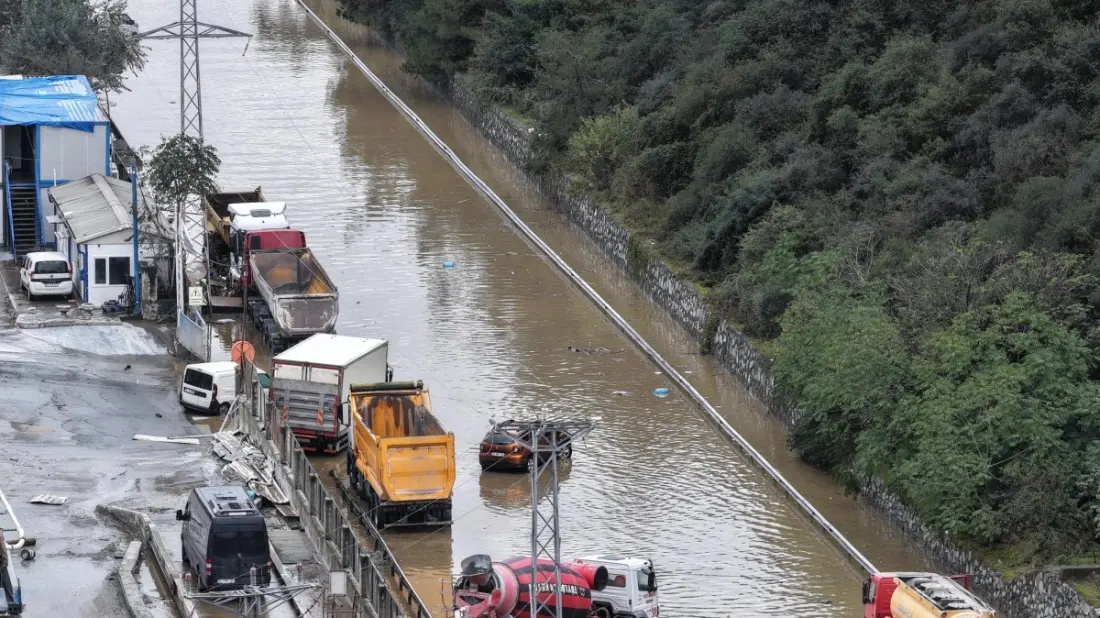
Heavy rain has brought serious disruption to Istanbul, with the death toll from this week's flooding rising to four and search operations still under way for five missing people. The latest victim, Faik Şentürk, died at a school construction site in the Beykoz district on the city's Asian side after falling into a water-filled pit while helping to drain accumulated rainwater. Seven people remain in hospital with injuries, according to Istanbul Governor Davut Gül, though seven others treated after the floods have been discharged.
The worst of the weather hit on Wednesday, when intense rainfall flooded streets and caused water to build up across large parts of the city. Authorities launched search and rescue operations and imposed restrictions that stayed in place until Friday morning, as officials begin the slow return to normal. The governor's office says damage assessments are ongoing and emergency teams are coordinating the response.
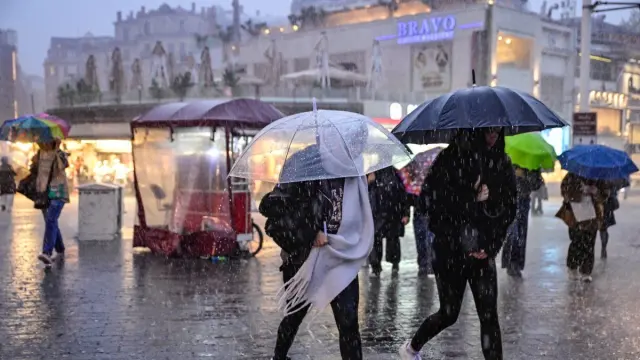
There is no immediate relief in the forecast, either. Meteorologists expect the heavy rain to continue over the coming days, and the government has urged residents to follow official warnings. For a city of roughly 16 million people spread across two continents, that kind of sustained rainfall puts real strain on drainage, roads and public transport — and visitors can feel the effects as keenly as locals.
If you have a trip to Istanbul planned in the next week or so, it is worth paying close attention to the situation. Flights through Istanbul Airport and Sabiha Gökçen can be delayed during severe weather, ferries across the Bosphorus sometimes pause in storms, and low-lying districts are the first to see surface flooding. Governor Gül's office has asked everyone in the city to heed official alerts, and that advice extends to tourists: avoid flooded underpasses and waterfront areas, keep an eye on Turkish Meteorological Service updates, and follow guidance from hotel staff or your accommodation if conditions worsen.
For travellers already in the city, the practical playbook is simple. Build extra time into airport transfers, check metro and tram services before setting out (Istanbul's rail lines are often the most reliable option when roads flood), and postpone any Bosphorus cruises or coastal walks until the weather clears. Beykoz, where the latest death occurred, is a leafy district on the Asian shore that most visitors only pass through on the way to quieter waterfront spots — a reminder that the flooding has affected areas well beyond the usual tourist core of Sultanahmet and Taksim.
Turkey's autumn months can bring exactly this kind of intense, localised rainfall, so travel insurance with weather disruption cover is a sensible purchase at this time of year. If your dates are flexible and the forecast does not improve, contact your airline or hotel before travelling — most operators will rebook or refund when official warnings are in place.
We'll keep an eye on how conditions develop in the city over the coming days. Daily Sabah