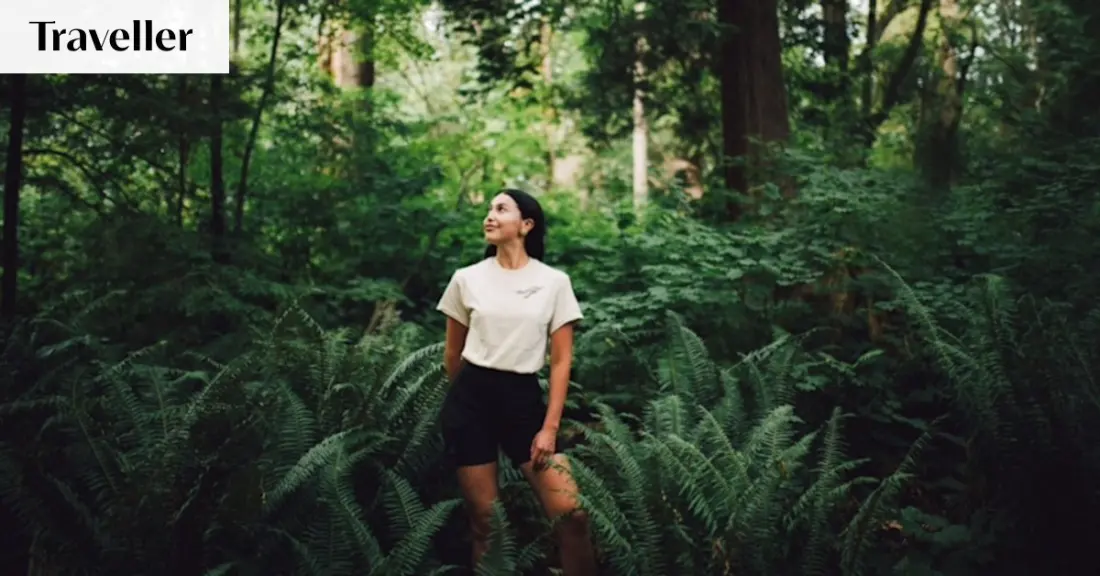
Vancouver has no shortage of parks, but Stanley Park is something else — a 400-hectare forest right at the edge of downtown. The best way to understand it isn't a stroll with a map but a walk with Talaysay Campo, a Squamish and Sechelt guide whose Talking Trees tour unpacks how her people have used this forest for generations.
Campo introduces each tree as a character. Vine maple, she explains, grows crooked and sprawling — "it doesn't know personal space" — and its flexible wood made ideal frames for shelters. Douglas fir has bark thick enough to survive forest fires, yet its sap was traditionally tapped to help start them. The western red cedar might be the most vital of all: outer bark for shelter, inner bark for clothing, rope and bedding. "We use it from cradle to grave," she says. Harvesting follows strict rules — bark is only taken from trees large enough that your hands can't reach around the trunk.
There are etiquette lessons too, especially around berries. Salmonberries and huckleberries line the trails, and Campo shares a First Nations law: never take the first berry or the last. The early fruit is left for the animals, and the final berries are left to fall and regenerate — a habit borrowed from bears, which never strip a bush completely.
The tour runs 90 minutes and costs from C$80 ($81) for adults. Talaysay Tours also partners with the Fairmont Vancouver Waterfront on packages combining accommodation and tours, with room-only rates from C$325 a night.
Once you've had your forest fix, swap trees for tastes on Granville Island. Reachable by ferry across English Bay, the island was once a warehouse and fishing-fleet base — and long before that, its sandbars were a food source for First Nations people at low tide. Today it's Vancouver's food temple, and guide Sandra Trotter of Vancouver Foodie Tours reckons it should be "the world's best market".
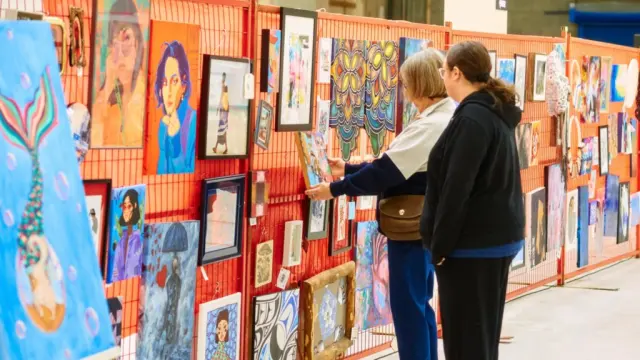
No franchises are allowed on the island, so everything is small-batch and local. Benton Brothers cheese comes from Okanagan milk; Oyama Sausage is run by fifth-generation charcutiers; and Longliner Seafoods, a founding tenant from the late 1970s, sells wild-caught Canadian salmon — the maple-candy salmon is a repeat-buy favourite. Beyond the market, the old warehouses now house painters, jewellers, glassblowers and even broom makers. The food tour takes two hours and costs from C$129.
Together, these two experiences bookend what makes Vancouver work as a destination: a city that kept its forest and its food culture, and treats both as living heritage rather than tourist props. First-time visitors with a long weekend can comfortably fit both tours, ideally spread across two days. Australians can get there easily too — Air New Zealand flies daily to Vancouver via Auckland, which keeps the long-haul journey reasonably painless.
If you only do one, do the trees — but you'll be hungrier for the market afterwards.
Story via Traveller (Sydney Morning Herald).