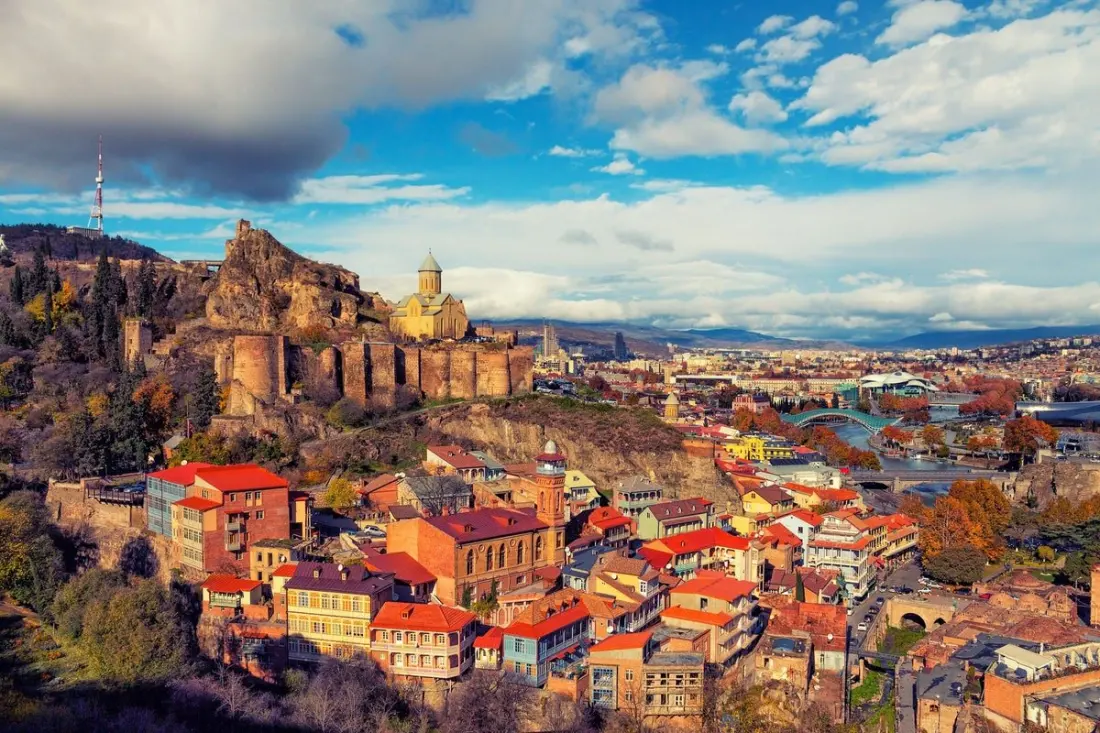
Georgia's capital has quietly become one of Europe's best-value city breaks, especially if you care about what's in your glass. Tbilisi sits barely two hours' drive from Kakheti, the country's most famous wine region at the foot of the Caucasus, which makes it easy to pair city nights with vineyard days.
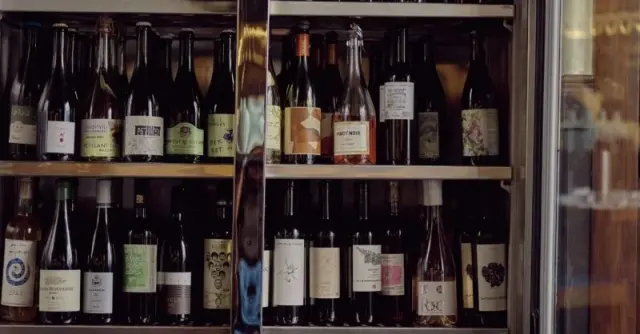
The reason wine lovers keep coming is method. Georgian wine is still often made the ancient way, fermented with nothing added — an approach that inspired the natural wine movements in France, Germany, Austria and Spain. Unsurprisingly, Tbilisi has become a heartland for the style. Vino Underground, the city's first natural wine bar, opened back in 2012 and remains a good starting point for tasting both contemporary and traditional Georgian bottles.
But the city rewards more than drinkers. Art runs through the streets, from murals on old courtyard houses to the galleries clustered along Rustaveli Avenue — the Georgian National Gallery, the Museum of Fine Arts and MoMA Tbilisi. A stranger find: Salobie Bia, a cafe and collection of Soviet-era and antique curios tucked into the cellar of the Shota Rustaveli National Theatre. Across the river, Fabrika, a converted Soviet sewing factory, now hosts galleries, markets, wine fairs and a courtyard bar, while Left Bank and the clubs off Giorgi Akhvlediani Street cover everything from techno to a surprisingly strong jazz scene — try Chabas Jazz Rock Kafe, 1984 Jazz Club or the more polished Tatuza.
Food is unfussy and generous. Start with khinkali soup dumplings (bite carefully — the broth inside is scalding), khachapuri cheese bread, and a tomato and cucumber salad with walnut paste. Then learn the most useful word in the country: gaumarjos, "cheers", which shares roots with gaumarjoba, "hello", and victory. Toasting is a ritual here, and guests will find themselves raising glasses to hosts, families, friends and often the wine itself.
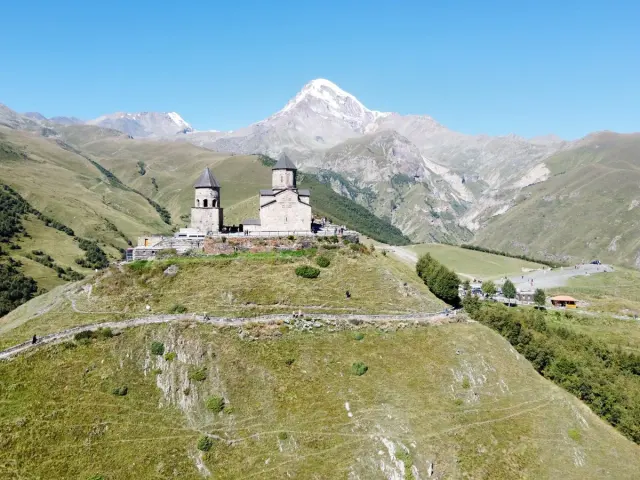
The writer's account also captures something less tangible: the welcome. A taxi driver who stops for roadside coffee on the way to Kakheti sets the tone. Streets are sprayed with Georgian and EU flags in a running display of pro-European feeling, and the country's turbulent history reads clearly in its fortress monasteries. Note that Rustaveli Avenue was under major construction at the time of writing, with transport upgrades on the way — it remains passable.
Practically, this is a doable short-haul trip: direct flights from London Heathrow take around five hours, with returns from roughly £250. For a splurge, The Telegraph hotel occupies a handsome Soviet-era telegraph building at the top of Rustaveli Avenue, with a wine library, four restaurants and a roof terrace, from about £160 a night.
For travellers priced out of Paris who still want culture, nightlife and proper wine, Tbilisi is a strong alternative — friendly, cheap by Western European standards, and with a drinking culture that's social rather than sloppy. Credit: The Independent Travel.