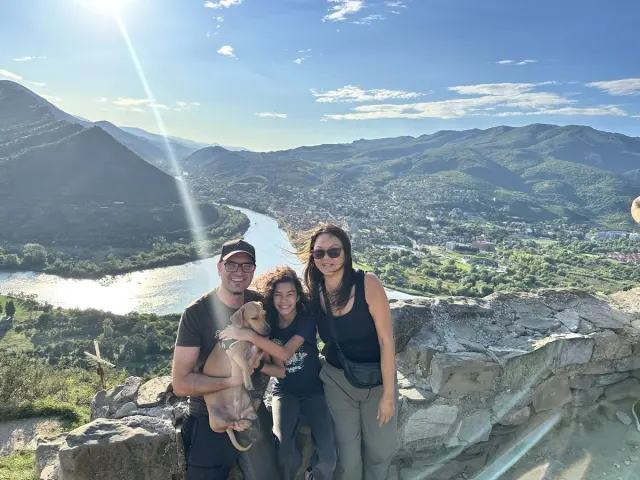
After nearly a decade of moving countries with their daughter (and a dog who has now lived in six countries), the family behind travel blog Wild Junket has refined picking a homebase into a repeatable process. Their latest base: Tbilisi, Georgia — and their reasoning offers a genuinely useful framework for any family considering a long-term stint abroad.
Their method starts with a hard truth: choosing a place to visit and choosing a place to live are completely different decisions. A homebase determines schools, friendships, how far remote income stretches, and even which airlines will fly your pet. So they filter candidates through a checklist of deal-breakers first — schools, neighbourhood-level safety, visa and work rights, and reliable internet — then weigh softer factors like outdoor lifestyle, expat community, culture and flight connections.
Research is deliberate and starts six to twelve months before a move. They brainstorm a long list, cut it against the deal-breakers, then go deep: emailing international schools, checking rent and Airbnb prices for family-sized apartments, joining local Facebook groups, and — the step they call most valuable — messaging expat families already living there to ask what's hard about daily life. A short scouting trip helps too; they'd visited Tbilisi once, a decade before moving.
One detail sets their approach apart: their 11-year-old daughter Kaleya gets a real say. She sees photos of candidate schools and neighbourhoods, does her own research (worldschooling in itself), and asks pointed questions about whether kids speak English and what weekends look like. The family also openly acknowledges the tough part — leaving friends behind.
So why Tbilisi? Georgia offers a unique language and alphabet, established international schools, and living costs well below Western Europe. The visa policy is generous to many nationalities, and the Individual Entrepreneur status allows eligible small businesses to pay just 1% tax on turnover. The city is green and hilly with a cable car and funicular, the Caucasus are close by, and daily life is digitally smooth — Apple Pay almost everywhere, easy bank accounts, delivery apps. Add khachapuri and khinkali, plus decent flight links to Spain, Singapore, Central Asia and the Middle East, and the boxes tick themselves. The main challenge, the Georgian language, became a family project: they all take classes together.
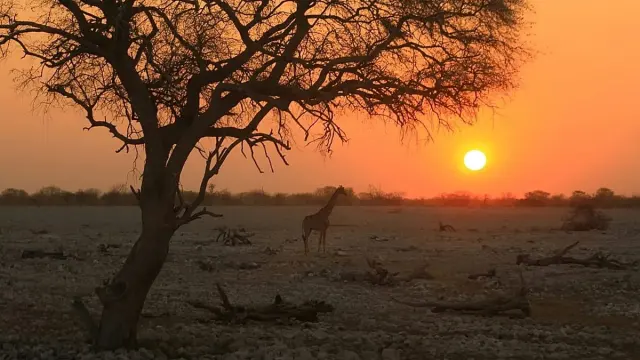
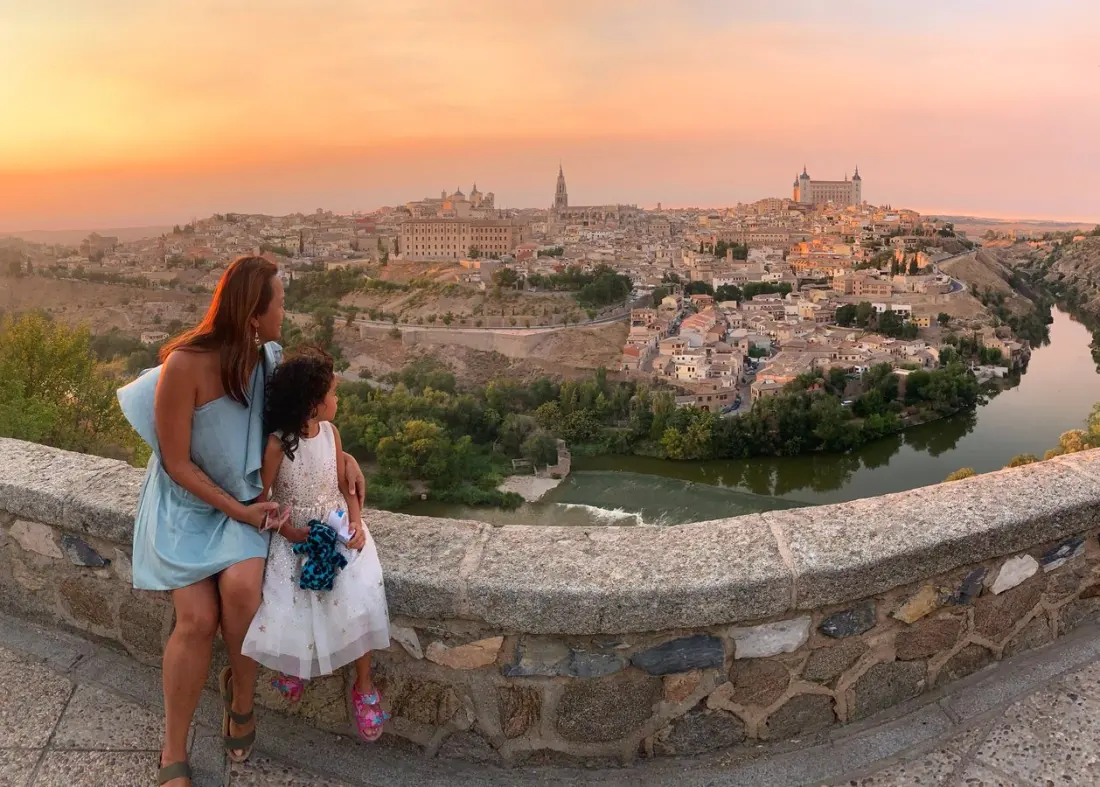
Their history shows the checklist flexing with life stages. The Netherlands suited a toddler needing playgrounds and routine; Mexico delivered sunshine and a school their daughter loved; Cape Town, with its nature and nearby safaris, was their best year yet despite long-haul flights.
For travellers, this is less a destination story than a playbook: it shows how families can treat a holiday spot as a trial run for living somewhere, and what to verify — school places mid-year, neighbourhood safety, pet import rules, banking — before committing to a year abroad.