Vietnam's heritage guardians are turning to technology to save treasures that time, weather and war have worn down. A recent feature from Vietnam News describes how preservationists are combining digital tools with traditional craft to protect everything from royal palaces that now lie buried beneath the ground to centuries-old timber buildings still standing.
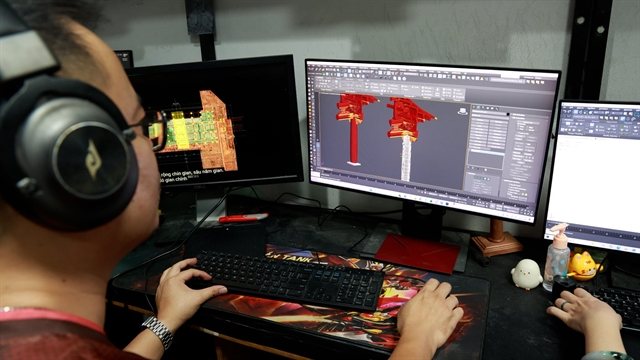
The scale of the challenge is considerable. Some of the country's most significant imperial structures, particularly around the former royal capitals, survive mainly as archaeological remains hidden below the surface. Others — ornate wooden halls, temples and communal houses — remain in use but are vulnerable to humidity, insects and age. Digital surveying, 3D scanning and careful structural documentation are now central to how these sites are recorded, monitored and restored, giving conservators a level of detail that older methods simply couldn't match.
Why does this matter to travellers? Because Vietnam's heritage sites are among its biggest draws. The imperial citadel of Huế, the ancient trading port of Hoi An, the temple complex of My Son and the Thang Long citadel in Hanoi all appear on UNESCO's World Heritage list, and visitors walk through them daily. Understanding that restoration is ongoing — and often high-tech — adds depth to a visit. Some areas may be under active conservation work, and that's a sign of a site being cared for, not neglected.
It also points to a growing trend across Southeast Asia: heritage experiences are moving beyond the simple walk-around. Digitally reconstructed palace interiors, virtual tours of excavation sites and detailed interpretive displays are increasingly part of the offer, letting travellers see structures as they once stood rather than as fragments. For anyone with an interest in history or architecture, Vietnam is quietly becoming one of the more rewarding places in the region to see conservation done thoughtfully — a country balancing rapid modernisation with a genuine effort to keep its past visible.
If you're planning a culture-focused trip, consider building an itinerary around the heritage trail: start in Hanoi with the imperial citadel, head south to Huế for the Nguyen dynasty palaces and royal tombs, continue to Hoi An's lantern-lit old town, and finish with the Cham ruins at My Son. Go with a guide where possible — the stories behind the restoration work are often the best part.