Thanksgiving looks a little different when you're celebrating it on Guam. A column marking the 2026 holiday, written by former Guam senator and longtime educator Aline Yamashita, reads less like a political opinion piece and more like an honest snapshot of daily life on the island — the good, the difficult and the quietly reassuring.
The practicalities of island living come up early. Fuel and electricity costs are climbing, but the supply is steady, thanks in part to a new power plant, and blackouts aren't part of normal life. Food prices keep rising too, yet shelves stay stocked with plenty of options — a real achievement on an island 6,000 kilometres from the US mainland.
Other themes are less postcard-friendly. The column acknowledges a rampant drug problem, tempered by vigilant first responders and a new K-9 unit. Feral pigs, deer, chickens and dogs roam the island, and the Department of Agriculture, the animal welfare group GAIN, and local mayors are working on plans to keep families safe. Typhoon-prone Guam also gets a nod to its meteorologists, credited with timely warnings when Mother Nature strikes.
On the services front, the debate over building a new hospital continues, but Guam Memorial Hospital keeps serving patients, and Guam Regional Medical City adds capacity to the island's healthcare. The business scene is a familiar mix of closures and fresh storefronts, with a recently cut business privilege tax offering hope for growth. Schools are shrinking in enrolment but still celebrating wins in academics and athletics at local, national and international levels.
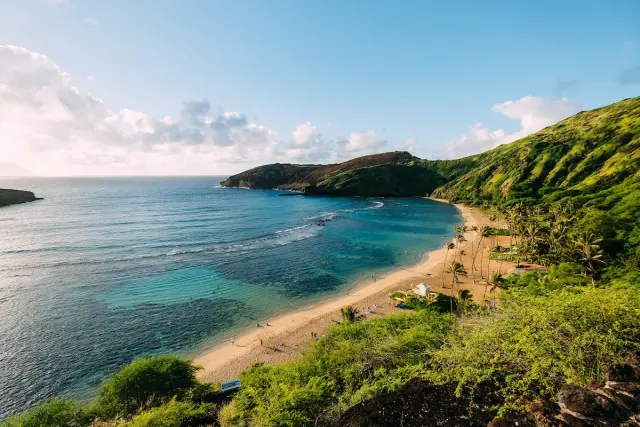
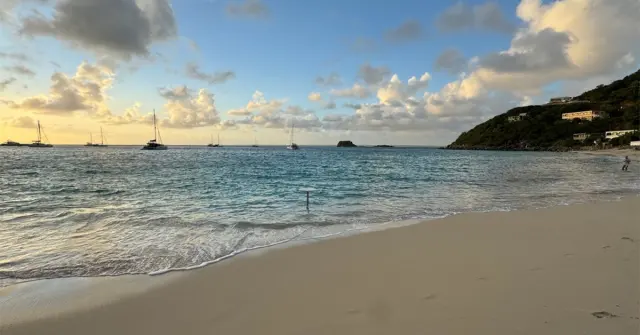
What stands out most for a visitor is the cultural thread running through the list. Yamashita thanks those who keep teaching CHamoru songs, dances, cooking, weaving and fishing — the traditions that, in her words, make Guam unique. Community nonprofits collect shoes, fill backpacks and pack weekend food bags for struggling families, and human service agencies support those recovering from abuse. The closing notes are personal: patient customer service workers, kind strangers, and those spectacular island sunrises, sunsets and rainbows.
Why should travellers care? Because pieces like this reveal what a place is actually like between the resort photos. Guam in late November is warm, community-minded and dealing with real challenges — rising costs, stray animals, storm seasons — while holding tightly to its traditions and hospitality. If you visit around Thanksgiving, you'll find American holiday rituals transplanted into a Pacific setting: school football games, family barbecues, church services and village feasts, all under tropical skies. Go with an appetite and an open schedule; the island rewards those who linger.
We cry, we smile, and we give thanks — a Guam sentiment worth packing, whatever time of year you visit.
Pacific Island Times