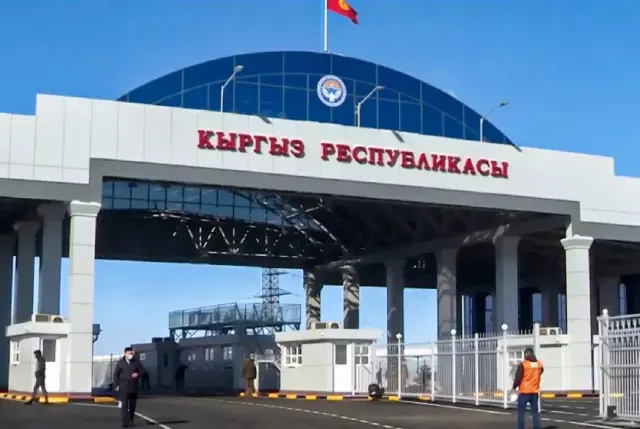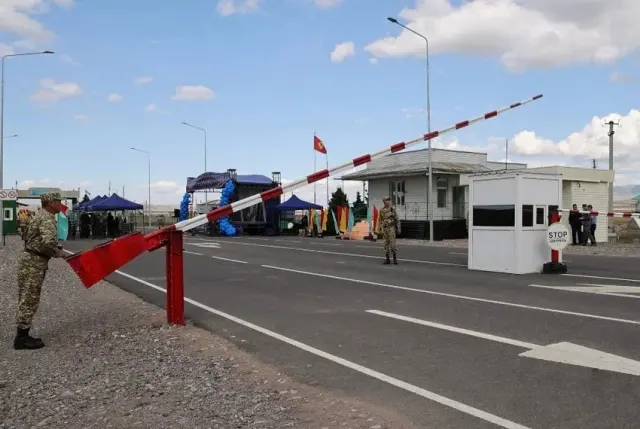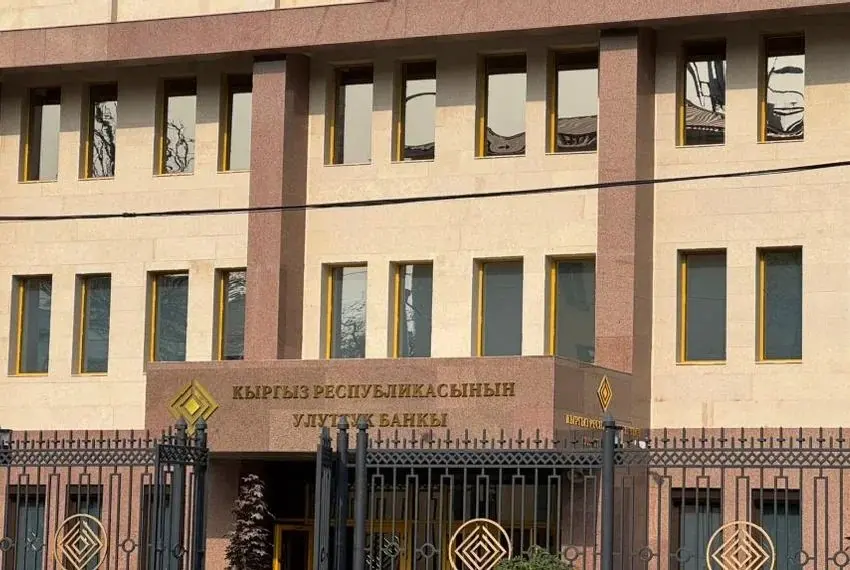
Travellers heading to Kyrgyzstan have been greeted by conflicting messages this week. Rumours spread on social media and messaging apps claimed the country could face widespread disruptions to its internet, phone networks and banking systems. Kyrgyzstan's central bank, the National Bank of the Kyrgyz Republic, has stepped in to say none of it has been confirmed.
In a public statement, the regulator confirmed that all commercial banks in the country are operating as usual and offering the full range of services. That includes payments through both national and international payment systems — the detail that matters most for foreign visitors relying on foreign cards for ATM withdrawals, hotel bills or card payments in Bishkek and beyond.
The National Bank described the banking system as "stable and resilient", saying it monitors the situation continuously and will take whatever measures are needed to keep banking and payment systems running and to protect customers, depositors and creditors. It urged the public to ignore unverified claims and to check information only through official channels: banks' own websites, call centres, verified social media accounts and messaging apps. The regulator also published a direct line for enquiries via its public reception office: +996 312 610 486.
Why does this matter to travellers? Kyrgyzstan has become a solid pick for trekking, horseback trips around Song-Kul lake and city breaks in Bishkek, and most visitors still need working cards or cash to get by — card acceptance outside the capital can be patchy, so people typically carry som for guesthouses, taxis and rural stops. A rumour that banks or payment networks might go down is exactly the kind of thing that makes travellers hold off on bookings or panic-withdraw cash on arrival. The central bank's message is straightforward: that rumour is baseless, and money access is functioning as normal.
The sensible approach is the usual one for travel in Central Asia. Let your bank know you're travelling so foreign-card transactions don't get blocked, carry a backup card and some cash in US dollars or euros to exchange, and if you ever hear claims about banking or connectivity problems on the ground, verify them with your bank's official channels rather than forwarding viral messages. If you're already in the country and something looks off with an ATM or a card payment, your bank's hotline — or the National Bank number above — is the fastest route to an answer.
For now, the official word from Bishkek is calm: banks open, payments flowing, no confirmed disruptions. Anyone planning a Kyrgyz trip can treat the viral warnings as noise and plan around the usual practicalities instead — visas are free or easy for many nationalities, the high-season trekking window runs roughly June to September, and the mountains are the real reason to go.