
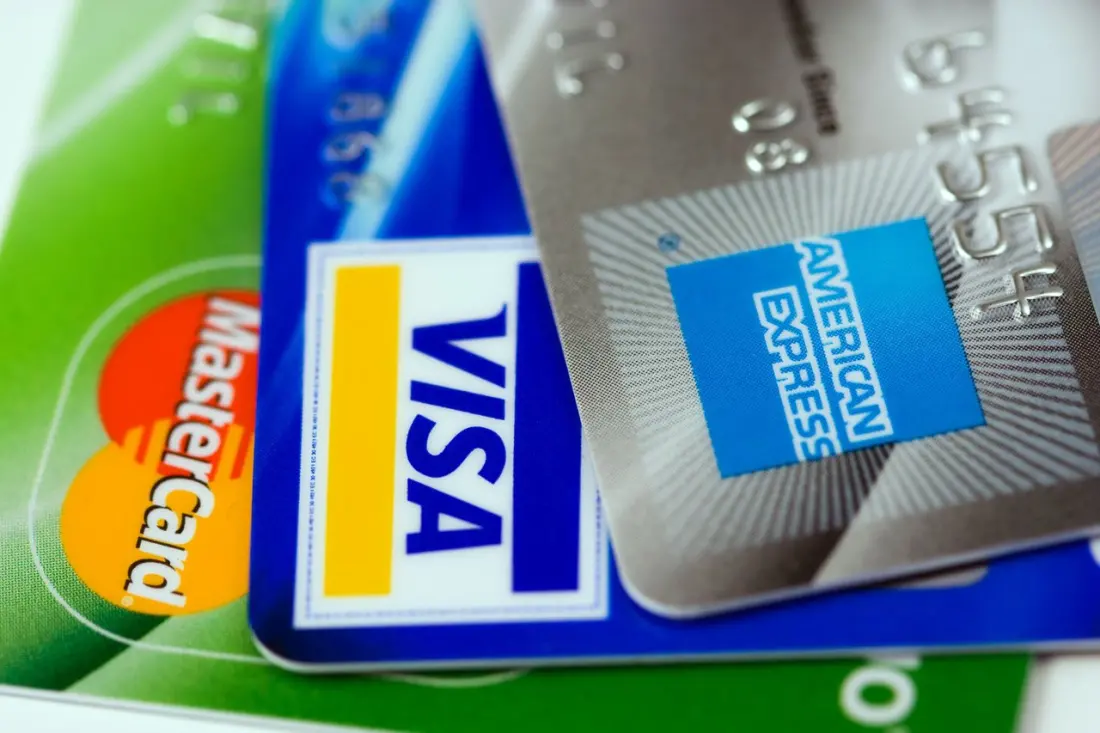
Two of the US senators most associated with the Credit Card Competition Act, Dick Durbin and Roger Marshall, are leaving the Senate in January. That sounds like good news for anyone who funds their holidays with points. It isn't the end of it — and the arguments on both sides are worth understanding if you book flights with rewards.
The bill in question, S. 3623, would force banks with more than $100bn in assets to let transactions route through at least two unaffiliated payment networks, one of them outside Visa and Mastercard. Merchants would pick the cheaper route, which is exactly the point: retailers want to cut the fees they pay to accept cards. American Express-style three-party cards would be exempt.
Why should a traveller care? Because interchange fees — the cut merchants pay on each transaction — are effectively what funds your sign-up bonuses, annual free-night certificates and 3x points on dining. Banks buy airline miles with that money to attract customers. Shrink the interchange and you shrink the rewards. Where governments have capped card fees, the pattern is consistent: bigger annual fees, smaller welcome bonuses, award caps and quiet devaluations of points charts.
The knock-on effects reach the flight itself. Airlines for America CEO Chris Sununu recently warned that card-fee interference would gut points-funded travel, and the numbers back him up: American Express represented essentially all of Delta's profit in one recent quarter, and American Airlines leans heavily on billions from its Citibank co-brand deal. Weaker rewards economics means shakier airline finances, thinner route maps and, historically, less service to leisure-heavy destinations like Hawaii.
What about consumers saving money instead? That's the retail lobby's pitch, and President Trump has floated $1,200 in annual family savings — a figure the source calls invented and inconsistent with the bill itself. Interchange regulation has never demonstrably lowered retail prices, and a chunk of that fee money comes back to cardholders anyway, plus it funds dispute resolution, extended warranties and travel protections that debit transactions don't offer.
Here's the cynical part, and probably the realistic one: this bill's most reliable function is fundraising. Retailers and banks both have billions riding on the outcome, so an unresolved legislative threat keeps the campaign donations flowing from both camps. Durbin has already named Vermont Senator Peter Welch as a successor on the issue, and the vice president was an original co-sponsor — expect amendments, riders and another round of hearings rather than a quiet burial.
Practical takeaway for points collectors: don't panic, but don't sleep on it either. Big welcome bonuses and co-brand card deals remain the fastest route to aspirational redemptions, and a deal that looks generous today may look thin if this fight revives and interchange margins get squeezed. If a card's bonus is worth chasing, chase it while the economics still hold.