The Pacific Crest Trail is a 2,650-mile thru-hike running from the Mexican border to Canada, crossing California's deserts, the High Sierra and the Cascades along the way. Thousands attempt it each year, and only a fraction finish. The 2026 class had an extra hurdle: fire season hit early and hard, forcing hikers to improvise how — and where — their hikes actually ended.
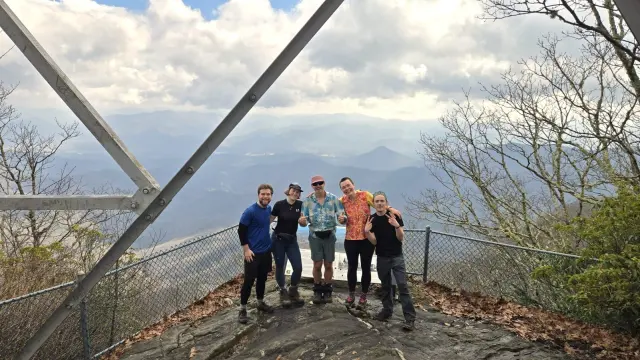
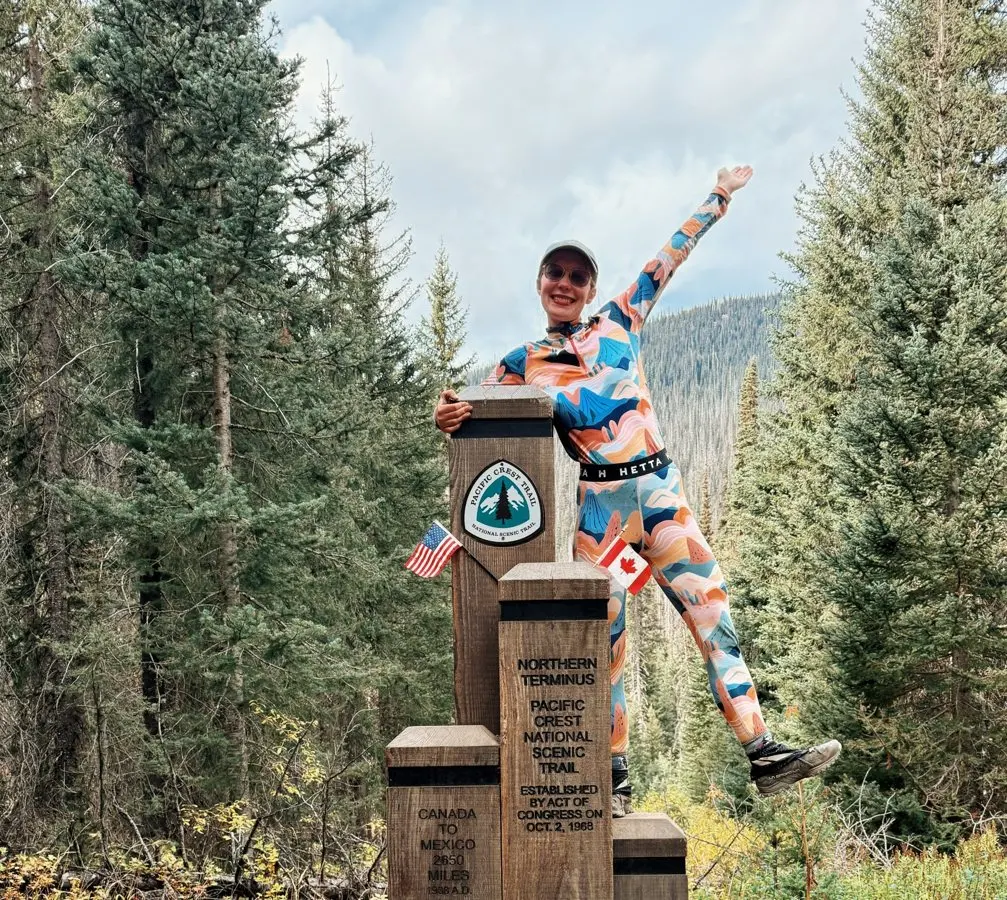
In July, the Ptarmigan Fire shut down the trail's northernmost stretch between Harts Pass and the Canadian border, the section every traditional thru-hike ends on. The closure stayed in place until mid-September, which meant finish photos for 2026 look very different from previous years. Instead of standing at the northern terminus monument, many hikers finished on reroutes, side trips or trailheads hundreds of miles short of Canada.
Some of the detours were genuinely creative. One hiker, trail name Two Plates, was blocked at Snoqualmie Pass in Washington, skipped the road-walk option, and instead knocked out a 160-mile traverse of the Olympic Peninsula, finishing along the wilderness coast at the Strait of Juan de Fuca — literally the water border with Canada. Others, like Meadowlark, hopped off at White Pass during the smoke and closures and simply plan to return next season for the missing miles.
The finishes themselves span late August to early October: Two Plates on August 26, Willem on September 3, Meadowlark on September 4, CP on September 9, Piano Toes on September 19, TC on September 20, Lipstick on September 23, Freedom on September 28, The Queen on September 30, and Sunflower & Just Nick closing it out on October 6 — a pair who, by their own account, found love on the trail. Freedom's finish note captured the spirit of the whole class: something that once looked impossible becomes real if you dare to go for it.
Why should a traveller care? Because the PCT is a reminder that long-distance hiking is a plan, not a guarantee. If you're dreaming of a thru-hike or even a section hike, fire season (typically July through September in the Pacific Northwest) can close entire segments with little warning. The 2026 hikers show the mindset that works: flexibility, backup routes, and a definition of 'finish' that doesn't hinge on one monument. And if you're simply inspired rather than trail-bound, the story is a good nudge to look at the lesser-known alternatives — like that Olympic Peninsula coastal route — when the famous trail is closed.
The Trek is still collecting finisher photos from the 2026 class for future roundup posts, so new finishers can submit theirs to be featured.