
A four-part HBO Max documentary called The Dark Wizard has pulled the late climber Dean Potter back into the mainstream, nearly a decade after his death. For anyone who has ever stood in Yosemite Valley and looked up at El Capitan or Half Dome, it's a chance to understand the strange, brilliant culture behind those big walls.
Potter, who died in a wingsuit flying accident in Yosemite in 2015 at age 43 alongside his 29-year-old partner Graham Hunt, built a reputation on what he called his 'dark arts': ropeless free solo climbing, highlining — walking slacklines at dizzying heights with no tether — and BASE jumping off cliffs. He even pioneered FreeBASE, free soloing with a parachute strapped to his back. Before that, he was the archetypal climbing dirtbag: itinerant, allergic to money and fame, until the climbing media turned him into a rock star of the late 1990s and 2000s.
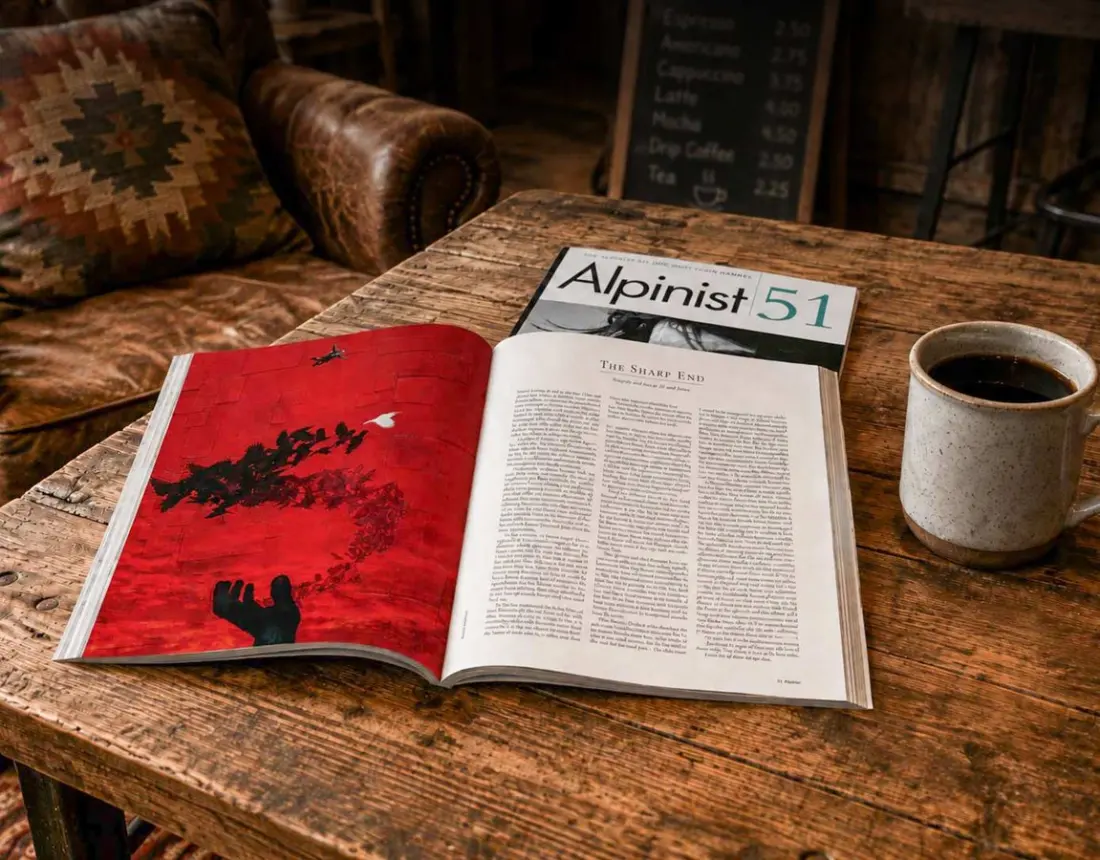
The documentary has prompted a wave of retrospection. Alpinist magazine, which published Potter's writing and photography from its very first issue in 2002, has compiled six digital editions tracing his career start to finish. Its former editor Katie Ives remembered him as a friend who wanted to 'turn this world more soulful' — someone trying to transform a fear of falling into a dream of flying. Editor-in-chief Derek Franz, who notes Potter died at the age he is now, calls him a tragically flawed but undeniable influence on a generation of climbers.
Why does this matter to a traveller? Because Yosemite's lore isn't just granite and waterfalls — it's the people. Potter's story is woven into the same landmarks you'll photograph: the Tombstone on the Dihedral Wall, the ledges he launched from, the highlines strung above the Valley floor. Watching The Dark Wizard before a trip adds a layer of meaning to Camp 4, the historic climbers' campground, and to the small community of dirtbags still living out of vans in El Portal.
Whether you find Potter's pursuits reckless or transcendent, the film and the Alpinist archive offer an honest portrait of why people give everything to these mountains — and what that costs. If you're planning a Yosemite trip, a couple of evenings with the documentary beforehand will change how you look at the Valley's walls.