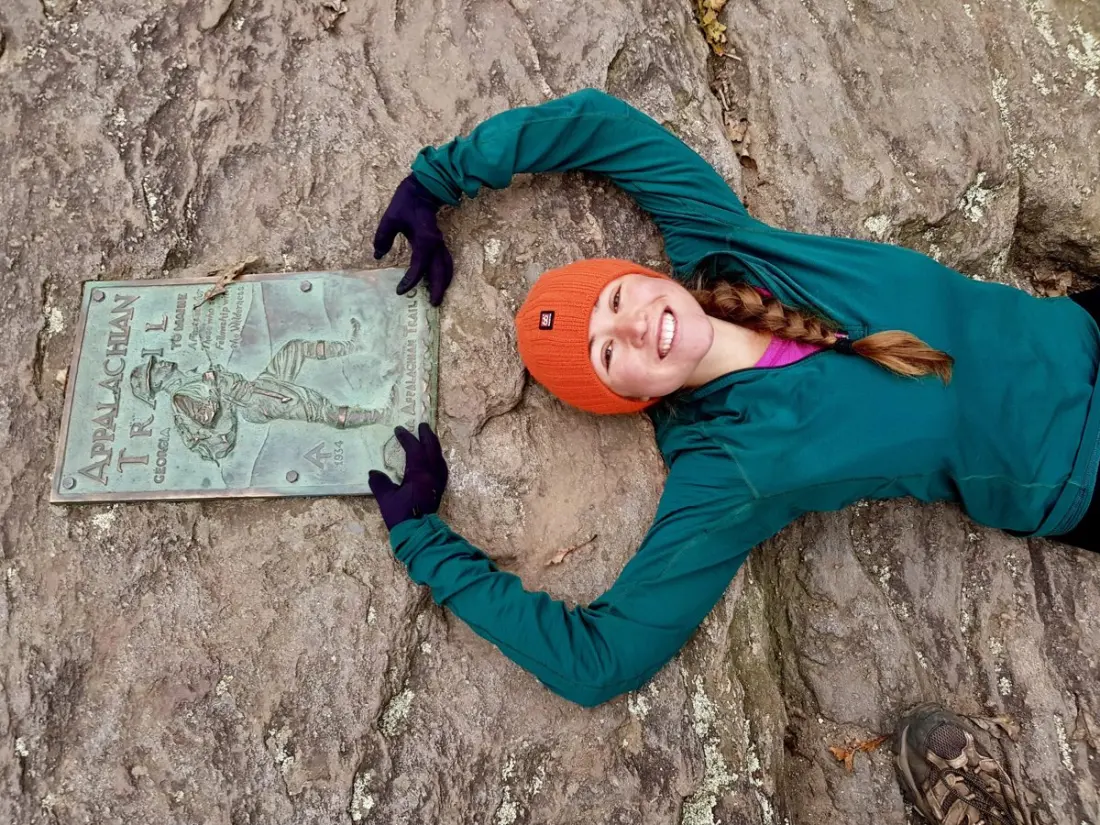
Rumours occasionally circulate that the Appalachian Trail has a drug problem, and they can genuinely rattle first-time hikers — especially families, people in addiction recovery, or anyone hoping for a quiet week in the woods. One writer, who has thru-hiked, section-hiked and day-hiked the AT and covered it professionally for seven years, has weighed in with a simple verdict: in their experience, no, the trail does not have a drug problem.
The AT does have a reputation as the "party trail" of America's Triple Crown. With towns strung along nearly every section of its 2,200-mile route, it's easy to build a thru-hike that resembles one very long pub crawl. But the reality on the ground, according to the author, is far tamer. Hiking is exhausting — most people are asleep by nine in the evening, and a typical thru-hiker's idea of a party is sharing extra baked potatoes with weekenders at a campsite.
That's not to say substances never appear. You might cross hikers drinking at trail magic setups, splitting a six-pack carried up to a shelter, or having a smoke away from camp — and one memorable hiker reportedly dropped acid while tackling Pennsylvania's notorious rocks. The author's point is that this level of exposure is no more than ordinary life, often less, and that most users are respectful: no pressure when offering, and smoking kept well away from shelters. Rowdy groups do occasionally descend on shelters near trailheads on holiday weekends, but they stand out precisely because they're the exception.
For hikers who want to keep encounters with alcohol or drugs to an absolute minimum, the advice is practical. The biggest concentrations of hikers — and partying — happen during the spring northbound "bubble," so starting slightly outside peak season helps. Shelters and campsites close to road access points attract more partiers, including locals, so opting for solo tent sites (findable on the FarOut app) and booking private motel rooms in town gives you more control. Trail towns often have local AA and NA meetings, and online meetings are widely available for anyone in recovery. The author also stresses not to isolate yourself out of fear: the trail community is widely considered one of the AT's best features, and meeting hikers in person usually replaces anxiety with reassurance.
Why does this matter? The AT draws thousands of aspiring thru-hikers each year, and negative posts on social media can put people off a trip they've spent months planning. The takeaway is refreshingly blunt: don't let exaggerated warnings about party culture scare you off. If you can handle a beer garden or a city street, you can handle a night at an AT shelter — and if you can't, there are easy ways to hike around it.