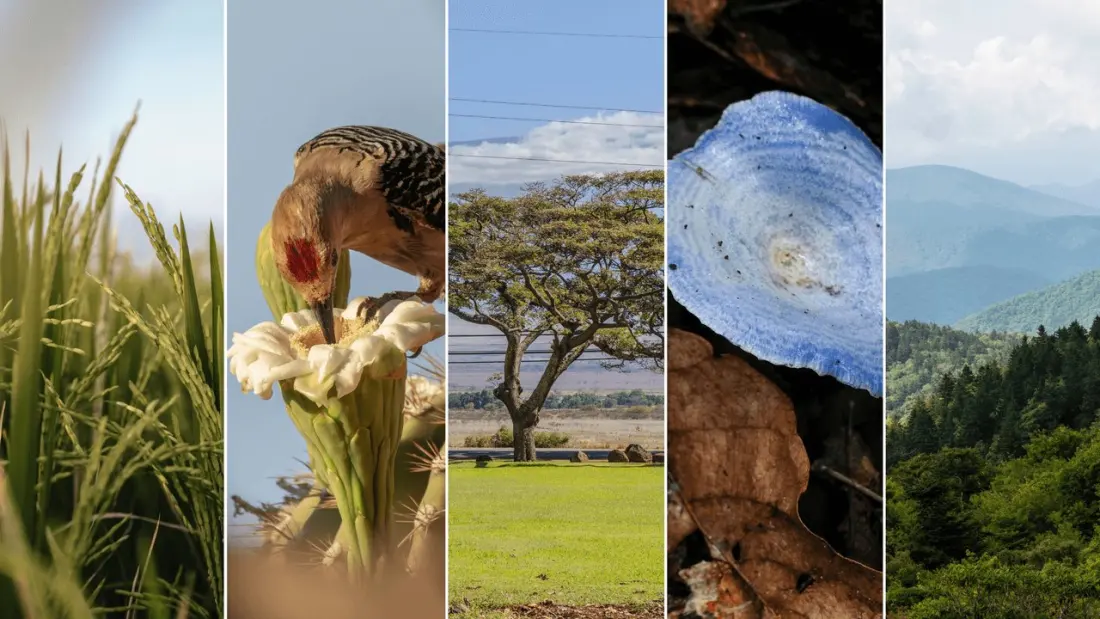
Foraging tours, invasive-species hunting, canoe-based rice harvesting: a growing travel trend puts travellers hands-deep in the food chain. A recent Condé Nast Traveler feature rounds up six American spots where visitors can hunt, fish, or gather their own meals — and each one doubles as a lesson in local ecology and culture.
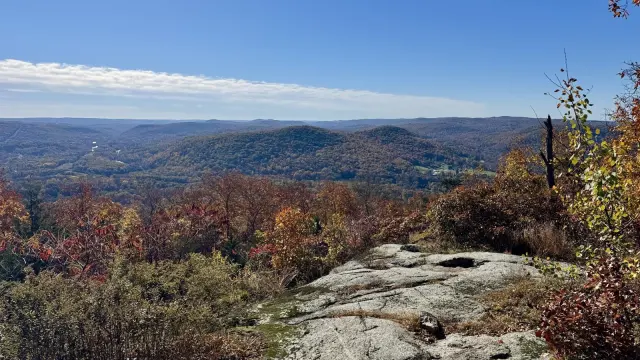
Asheville, North Carolina is the foraging capital of the Blue Ridge. Ramps (wild leeks) signal spring, pawpaws — the continent's largest native edible fruit, tasting of mango and banana — ripen in late summer, and mushrooms from morels to chicken of the woods fill baskets most of the year. Rules matter here: ramps are banned in Great Smoky Mountains National Park, while the Pisgah and Nantahala National Forests allow up to three pounds per person. The easiest entry point is No Taste Like Home, a forage-to-table program where you bring wild ingredients to local restaurants and chefs cook them for you. Time a trip around the Rainbows and Ramps festival in late March or the Waynesville Ramp Convention in early May.
Chesapeake Bay has a different pitch: eat the invaders. Blue catfish, introduced to Virginia rivers decades ago, are outcompeting native species, so Virginia and Maryland are actively building a 'River to Table' market for them. Recreational anglers face no catch limits in most tidal waters, and the fish are serious sport — 30 pounds is routine. Not into waders? Restaurants from Skrimp Shack to Dauphine's serve it, and it's stocked at Wegmans and Whole Foods. Guides like Capital Blues Fishing can put you on the fish.
In northern Minnesota, wild rice — manoomin — is the story. Central to Anishinaabe migration history and food sovereignty efforts, it's harvested in late summer from canoes using cedar sticks, with mechanized harvest banned since 1939. Travellers shouldn't just show up with a license; the respectful route is a Tribal-led camp or educational event, or simply buying wood-fire-parched rice from Native Harvest or the St. Paul Farmers' Market. In Minneapolis, Indígena by Owamni puts manoomin on the plate alongside other Indigenous American foods.
Pensacola, Florida, once called the 'Gloucester of the Gulf,' remains a red snapper hub, with the summer season often stretching into fall. Anglers are limited to two fish a day, and new rules require descending devices that help released fish survive — free ones are available through Florida Sea Grant's Return 'Em Right online course. Plenty of restaurants in Pensacola, Destin, and Orange Beach will cook your cleaned catch; Joe Patti's waterfront market has sold Gulf seafood since 1930. October brings the month-long Destin Fishing Rodeo.
Finally, Hawaiʻi invites hunters to target axis deer on Molokaʻi and Maui. Descended from eight deer gifted in the 1860s, the invasive herds are stripping hillsides, eroding soil, and damaging reefs — the state has issued more than two dozen emergency proclamations to speed up control.
The appeal across all six is the same: a trip where the meal reflects the place, harvested or caught by you. It suits travellers who want their nature experience to end on the plate, whether that's a guided forage, a charter fishing day, or a canoe in a rice lake.