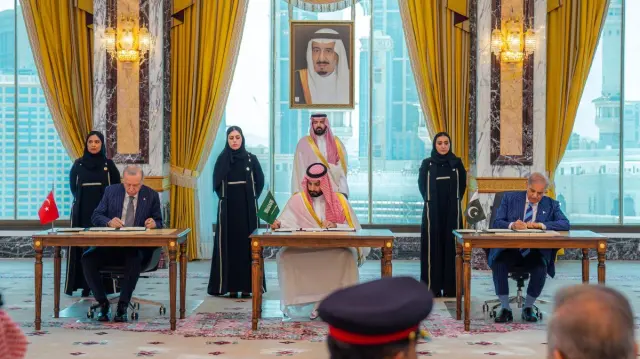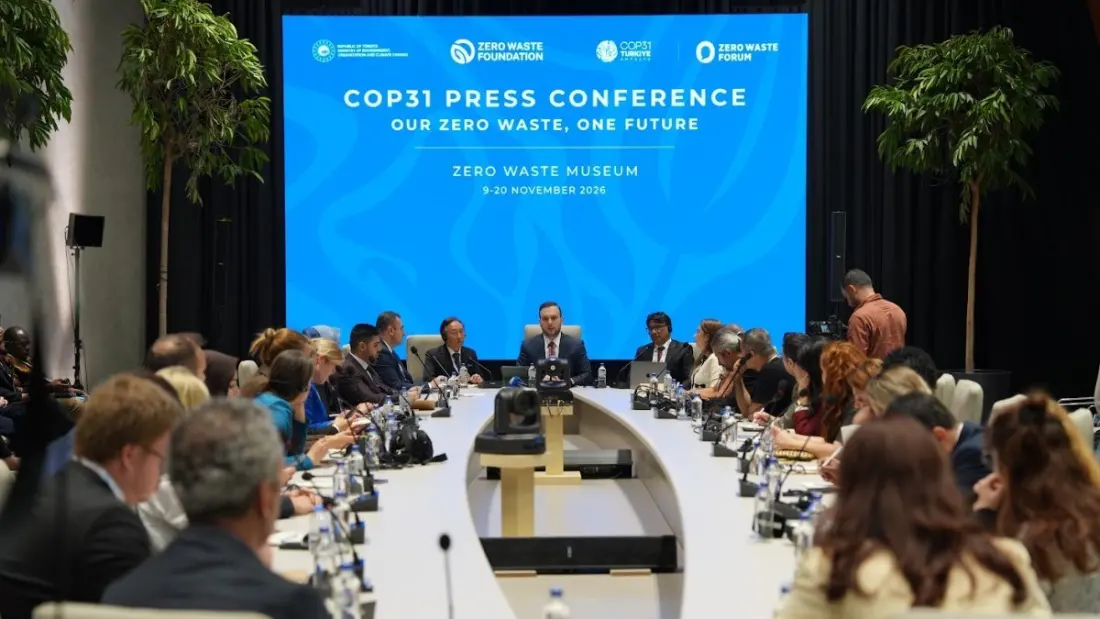
Antalya is playing host to COP31, and Türkiye has used the moment to make a bold claim: cutting waste could be one of the biggest climate tools we're barely using. At the summit's Blue Zone, inside the Zero Waste Museum, the Zero Waste Foundation's president Samed Ağırbaş presented a new report, Our Zero Waste Future, with a striking headline figure — 149 gigatons of greenhouse gas emissions could be prevented between 2025 and 2050 if the world gets serious about zero waste and circular economy practices.
The maths behind that number is split two ways. Better waste management, preventing food waste, and embracing reuse and repair would save around 37 gigatons. The bigger prize — 112 gigatons — lies in rethinking buildings, infrastructure and long-lasting consumer goods. The report points out that more than half of global emissions come from extracting and processing natural resources, yet only 6.9% of materials worldwide actually cycle back into use.
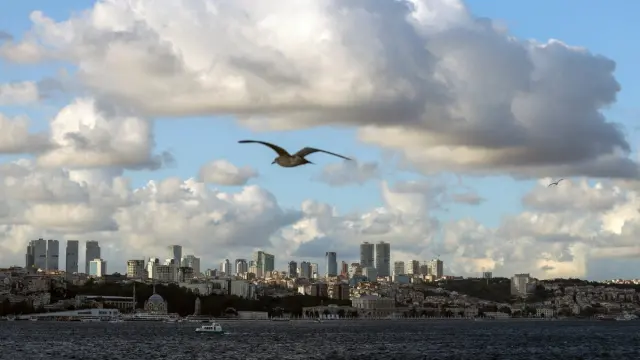
For travellers heading to Türkiye, there's a local angle worth knowing. The country launched its Zero Waste programme back in 2017, championed by first lady Emine Erdoğan, and the results are visible in the numbers: 90 million tons of waste returned to the economy by 2025, roughly 180 million tons of emissions avoided, and a recycling and recovery rate that climbed from about 13% to 40%. Targets now sit at 60% by 2035 and 70% by 2053. The idea also went global in 2022, when the UN General Assembly — thanks to a resolution co-sponsored by Türkiye and 105 other countries — declared March 30 International Zero Waste Day.
The report doesn't shy away from the gaps. Around 2.7 billion people still have no regular waste collection, and 845 million tons of municipal waste are dumped, burned or washed into waterways every year. Plastic is a particular problem: production has grown more than 230-fold in seven decades to over 460 million tons annually, with just 9% recycled. Ağırbaş argued the goal isn't banning plastic outright but separating essential uses from wasteful ones.
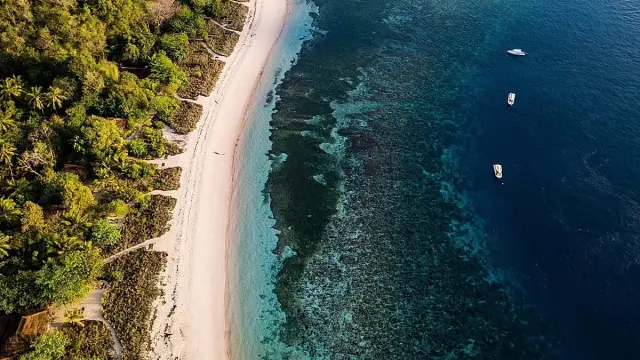
So why should a holidaymaker care? Because COP31's Action Agenda now includes concrete targets — halving the projected growth in municipal waste by 2035 and lifting global circular material use to at least 15%. Destinations that hit those marks are the ones that will still look good in 20 years: cleaner beaches on the Turquoise Coast, less litter at archaeological sites, food waste trimmed at the all-inclusive resorts. For eco-conscious travellers, Türkiye is quietly becoming one of the more interesting countries to watch — a place where a national recycling culture is being built in real time, and where your hotel's sorting bins are part of a genuinely ambitious national experiment.
Reported by Daily Sabah Travel.