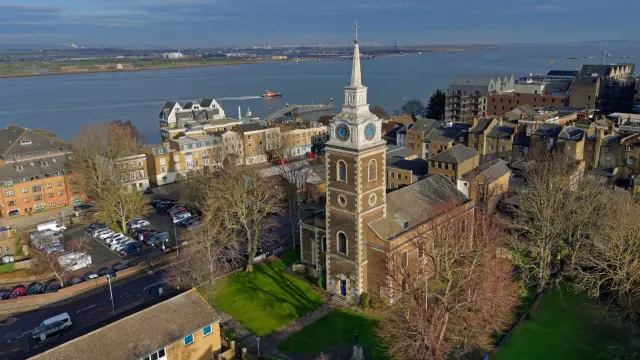
One of Bloomsbury's most familiar hotel buildings has re-emerged. The Imperial Bloomsbury, overlooking Russell Square, has officially reopened after a transformation that Imperial London Hotels says took more than a decade to plan and deliver — and it marks the family-owned group's first move into the lifestyle hotel category.
The property's story is an odd one. The original neo-Gothic hotel on the site opened in 1905, designed by architect Charles Fitzroy Doll. That building was demolished in 1966, and The Imperial returned in a strikingly different Modernist form around 1969-70, the work of Charles Lovett Gill. The new redesign doesn't fight that heritage — it leans into it. Interiors pull colour cues from stained glass in the 1905 building, five historic bells remain in the courtyard, and the artwork nods to the late-1960s reconstruction. The group calls this the hotel's third chapter.
There are 357 rooms and suites in the reopened hotel, and the range is genuinely varied. Bay rooms make the most of the building's angular windows with Russell Square views, while Hideaway rooms come with private outdoor terraces and standalone bathtubs. At the top end, The Nest — one of the largest options — has a mezzanine lounge with an 86-inch screen and an L-shaped sofa. Guests in premium rooms also get access to The Bell Room & Terrace, an all-day refreshment space with outdoor seating.
The headline addition is Arcus, a 324-seat rooftop bar and restaurant on the 10th floor with panoramic views across London and a season-led menu, plus a private dining room. Back downstairs, Edit Bar & Lounge acts as the all-day social hub for dining, drinks, meetings and casual hangouts. It's a clear signal the hotel wants to serve locals and laptop workers as much as overnight guests.
The reopening comes with a new leadership team under general manager Remus Obertelli, covering operations, food and beverage, sales and culinary direction. For Imperial London Hotels, it's also a statement of longevity: the family business has operated in Bloomsbury since the 19th century and runs a portfolio that includes the Royal National, President, Bedford, Tavistock, Morton and City Sleeper.
Why should a traveller care? Bloomsbury has long been the sensible-value base for London trips — close to the British Museum, the West End and King's Cross — but short on hotels that feel design-led rather than purely functional. The Imperial's relaunch, with its rooftop restaurant and refreshed room tiers, gives the neighbourhood a lifestyle option without moving you away from its transport links. If your last stay in the area felt dated, this is worth a fresh look.