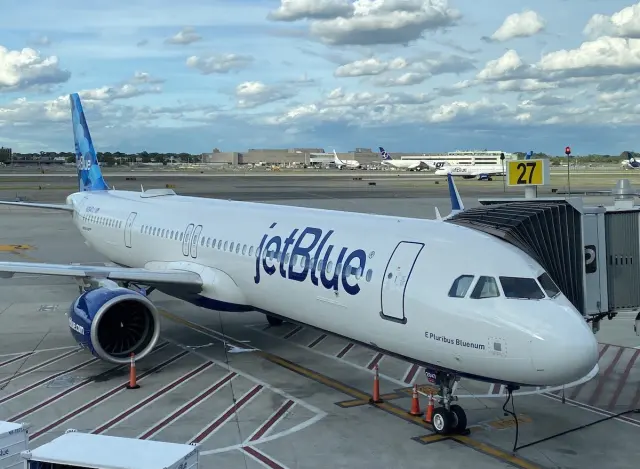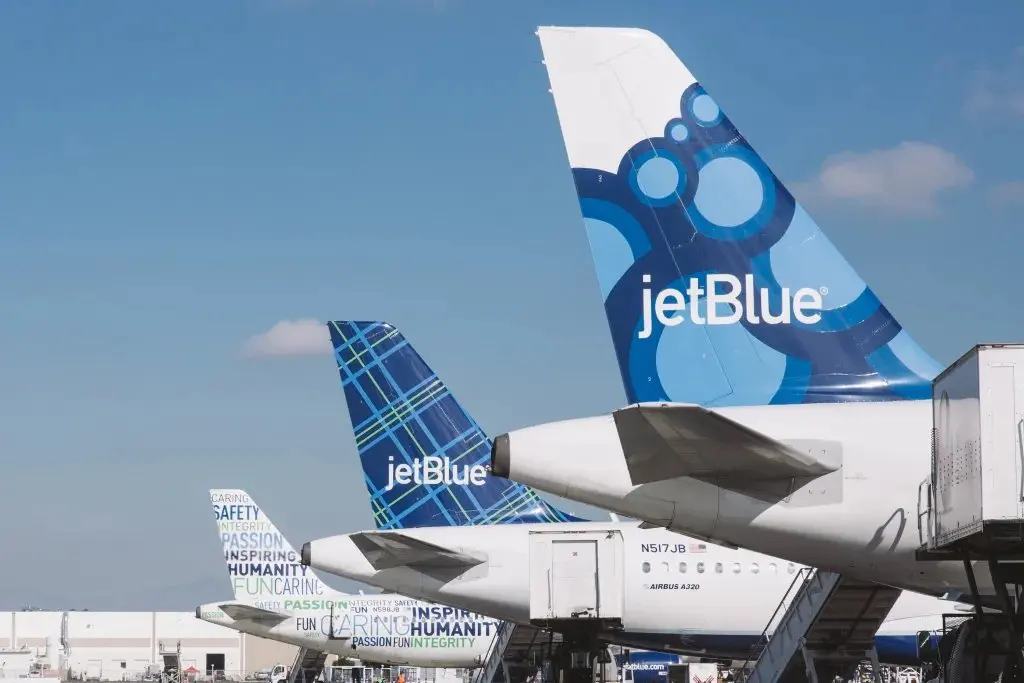
JetBlue has pushed its checked bag prices up once more, and it's now the first US airline to raise baggage fees twice in a single year. For anyone flying economy, checking a bag now costs $50 if you pay more than 24 hours before departure, up from $45. Leave it to the last day and you'll pay $60 at the counter.
Peak travel periods sting a little more. During busy dates, a checked bag runs $55 — previously $49 — and if you check it within 24 hours of your flight during those peaks, the fee climbs to $70. So the worst-case scenario for a family heading away over a holiday weekend is $70 per bag, each way, per person.
The reason behind the squeeze is straightforward: fuel costs have surged and are eating into airline profits across the industry. Bag fees are one of the fastest levers an airline can pull to claw back revenue, and JetBlue has pulled it twice already in 2026. Whether other US carriers follow suit is an open question, but historically fee moves like this tend to spread — remember when checked bag fees themselves went from an experiment to industry standard after one airline introduced them in 2008.
What does this mean if you're booking JetBlue? The headline fare might still look cheap, but the real price of your trip depends on how you pack. A round trip with one checked bag now adds at least $100 per person before you've even chosen a seat. Two people with two bags each over a peak period could be looking at well over $200 in extras.
The practical workarounds haven't changed. Travel with a carry-on only and none of this touches you — JetBlue still includes a carry-on, unlike some ultra-low-cost rivals. If you do need to check luggage, pay early: the 24-hour cutoff adds $10 or more per bag. Frequent flyers with JetBlue credit cards or elite status may still get a free checked bag, so it's worth checking your benefits before paying at the airport. And if you're flying during holidays or other peak windows, budget for the higher tier automatically rather than being surprised at check-in.
This story matters less as a single airline's price change and more as a signal of where US air travel costs are heading in 2026. If fuel prices stay high, expect the fine print — bags, seats, changes — to keep creeping upward across carriers. The era of the genuinely 'base fare' flight is getting harder to find, and comparing total trip cost, not the sticker price, is now the only sensible way to book.