Medora, North Dakota now has a cultural landmark to match its scenery. The Theodore Roosevelt Presidential Library opened on July 4, 2026 — the 250th anniversary of American independence — on a 93-acre site right next to Theodore Roosevelt National Park, and it is unlike any other presidential library in the country.
The 96,000-square-foot building, designed by Oslo-based architects Snøhetta, rises out of a butte with a living earthen roof planted across 121,000 square feet of restored prairie. The guiding idea is simple: "The Library is the Landscape." A boardwalk of nearly a mile threads through the site at shifting heights, sometimes floating above the terrain, sometimes dipping into it, with overlooks, outdoor classrooms and a suspended net viewing spot along the way. It is the first presidential library you can reach on foot, by mountain bike or on horseback as well as by car.
Inside, the galleries alternate between light and shadow in a nod to Roosevelt's own life story, with big windows framing views toward his historic Elkhorn Ranch and skylights pulling daylight deep into the exhibition spaces. There's a climate-controlled archive, an auditorium sized for presidential debates, and heavy investment in digital collections.
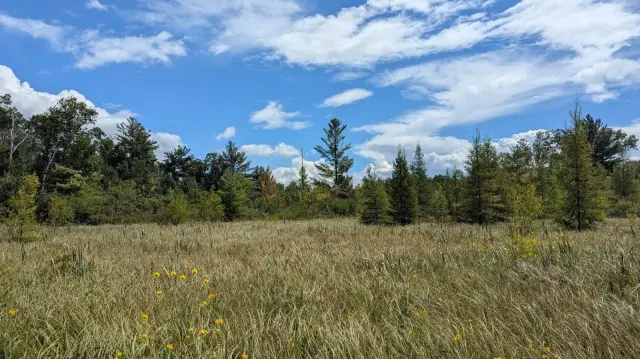
What really sets it apart is the sustainability ambition. The library is chasing the Living Building Challenge's full Living Certification — the strictest green standard there is — under a "Four Zeros" framework: zero energy, zero water, zero emissions, zero waste. Materials were sourced close to home, including rammed-earth walls built from local soil and low-carbon concrete. A Native Plant Project with North Dakota State University has seeded more than 200 native species on site, linking to 3,000 acres of adjacent National Grasslands, and routine land management like grazing and controlled burns is woven into public programming.
If certified, it will be the only Living Certified presidential library and the largest and most complex Living Certified cultural building in the world — achieved in one of the most remote locations ever to attempt it. Around 200,000 visitors a year are expected.
For travellers, this turns Medora into a genuine two-for-one: a serious museum experience and one of the country's lesser-visited national parks side by side. Roosevelt's love of the Badlands shaped his conservation legacy, and you can now hike to a library that embodies it.