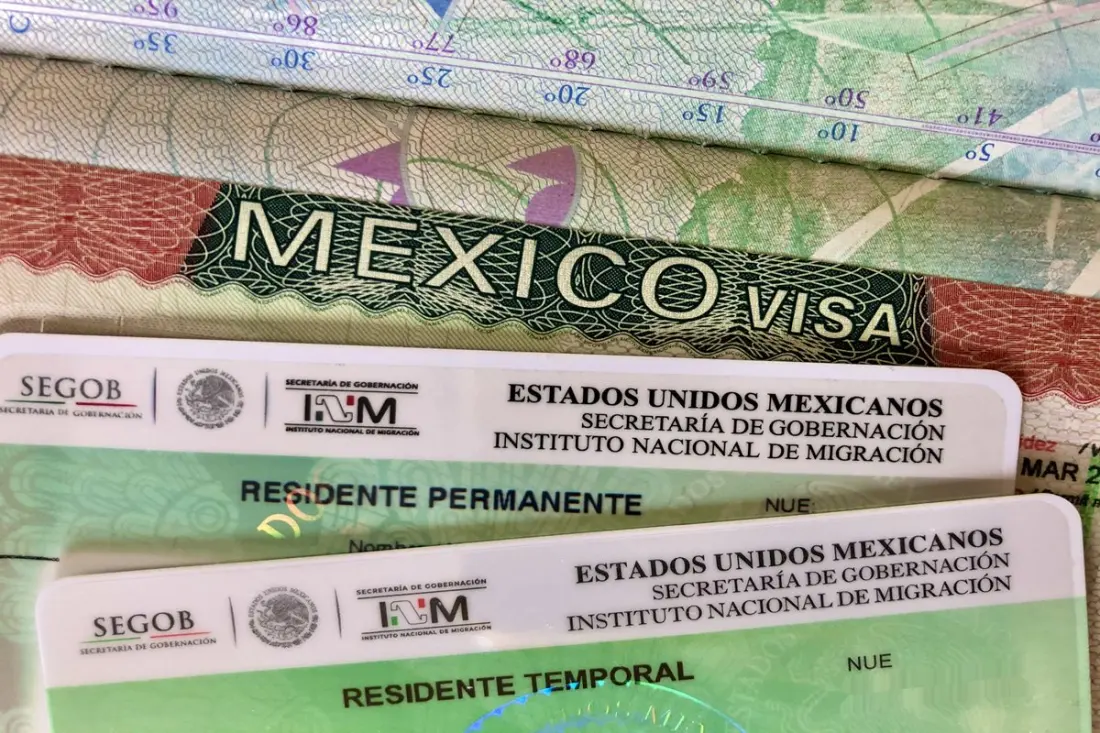
Mexico has become one of the most popular countries for foreigners looking to base themselves abroad long-term, whether for retirement, remote work or a fresh start. But the paperwork trips a lot of people up. A comprehensive FAQ resource on residency visas and residency cards from Mexperience pulls together the practical answers most applicants need before they start — and a few of them are genuinely surprising.
First, the basics. There are two main residency types. Temporary residency runs from one to four years and needs renewing, while permanent residency never expires and doesn't require annual renewals. You don't have to do temporary first — you can apply directly for permanent — but there are catches: the income and savings thresholds are higher, and some consulates expect applicants to be retired even if they meet the financial criteria. Couples should also know that when applying together for permanent residency, the dependent partner typically only gets temporary status to start.
Everyone has to prove 'economic solvency' — that you can support yourself financially while in Mexico. The exact figures are updated regularly, so check the current thresholds before you apply. Notably, once you've been approved, you generally don't have to re-present financial documents at renewal time, although the immigration office reserves the right to ask.
Timing is where plans go wrong. The process involves two stages: getting a visa through a Mexican consulate (usually in your home country) and then exchanging it for a residency card at an immigration office inside Mexico. Appointment availability at both stages can add weeks, and demand varies by location. The advice is blunt: don't book flights or accommodation until your visa is actually in your passport. And once you're in Mexico doing the exchange or a renewal, you must stay put — you can't leave the country mid-process, except in exceptional circumstances with a one-time exit and re-entry permit.
The good news once you're resident: there are no rules forcing you to stay in Mexico a minimum time each year, and no cap on how long you can be away. You can come and go freely. Just remember that renewals and changes to personal details have to be handled in person in Mexico — no proxies allowed.
A few other gems from the FAQ: Mexico's immigration law technically includes a points-based residency route, but it was never implemented and there's no date for when it might be, so don't count on it. New residents can import household goods tax-free under a one-time procedure called Menaje de Casa — handy if you're relocating properly rather than renting furnished. And if your card is lost, stolen or damaged, the replacement procedure differs depending on whether you're in Mexico or abroad when you discover the problem.
Why does this matter to travellers? Because the line between a long holiday and a life in Mexico is thinner than you might think, and the residency system is far more approachable than many countries'. If you've been dreaming of extended winters in Oaxaca, a coastal base in Puerto Vallarta or a Mexico City stint, understanding temporary versus permanent status — and the financial bar for each — is the first real step. The biggest mistake to avoid is simple: sort the paperwork before you book anything.###