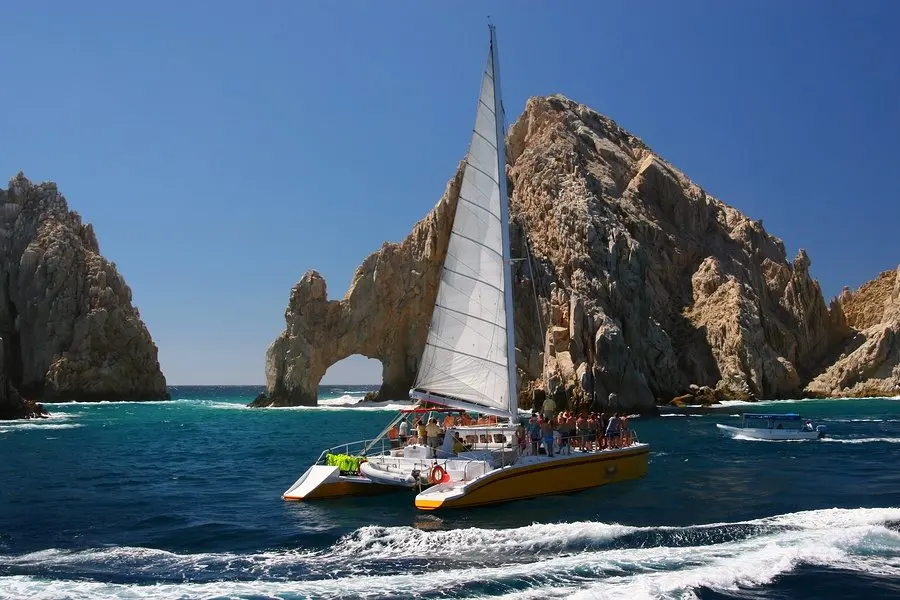
Los Cabos — "The Capes" — sits at the southern tip of the Baja California peninsula, and it has quietly become one of Mexico's most popular spots for foreigners to live, work and retire. The region is really two towns: Cabo San Lucas and San Jose del Cabo, linked by a 30-kilometre strip of resort-lined road known as the tourist corridor.
What makes the area unusual is how blended it feels. The peninsula is cut off from mainland Mexico by the Sea of Cortes and has deep ties to the United States — prices are often quoted in US dollars, US-plated cars can stay here without an import permit (as long as US tax stickers are current), and American investment is visible everywhere from boutique cafes to major hotel brands. Yet the region remains firmly Mexican in culture and character.
The practical draw for retirees and remote workers is the lifestyle. Average temperatures hover around 78F (24C) year-round, with mild, sunny winters around 55-75F and hot summers peaking near 100F. The rainy season runs June to October, and tropical storms — occasionally hurricanes — can hit in late summer, so that's worth factoring into any property or moving plans. Beyond the beach, there are six world-championship golf courses, major sports fishing tournaments, diving, kayaking and windsurfing, plus desert hiking and cooler mountain microclimates above 5,000 feet when the coast gets too warm.
Property has a complicated recent history. Prices climbed sharply over roughly fifteen years of heavy investment, but since the 2008 credit crisis the market has cooled, with some developers offering condos at levels not seen since the mid-1990s. Options range from beachfront homes and golf-course developments to town-centre resales and desert lots with ocean or mountain views. Time-share is common in the tourist zone — note that it isn't actual ownership. Rentals are found through local agents, developers, or even signs at nearby cafes and bars.
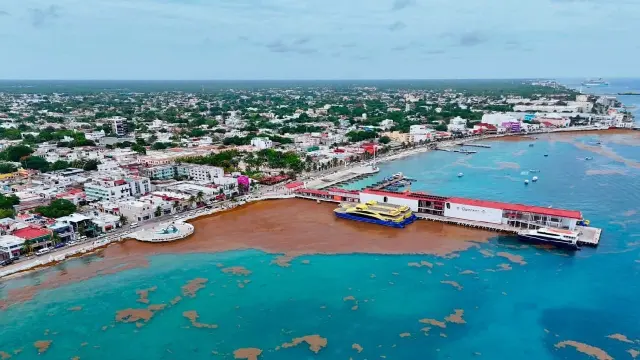
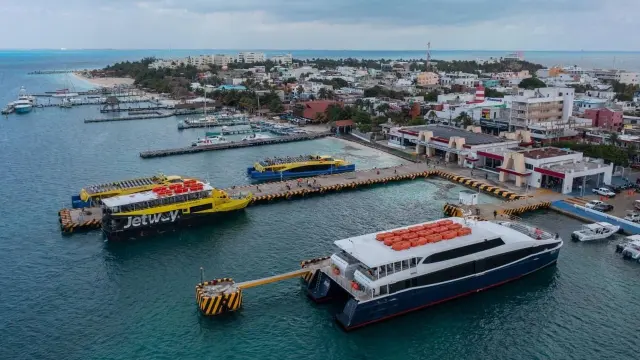
Everyday life is well supported. There are established expat communities offering networks and advice, private clinics with US-standard care alongside the national IMSS system, and good transport links by road, air and ferry — handy given the peninsula's many ports and marinas. Costs are average for Mexico's resort towns: cheaper than the US, Canada or Western Europe, but not bargain-basement.
Fair warning from those who know the area: Los Cabos isn't for everyone. The polish and price tags are higher than much of Mexico, and the heavy US influence won't suit anyone seeking a deeply traditional experience. But if you want coastal Mexico with reliable amenities, an easy bridge to American conveniences and an outdoor-focused life, few places compete. For travellers eyeing a longer stay, San Jose del Cabo tends to feel more local and quieter, while Cabo San Lucas is the busier, more touristic end of the corridor.