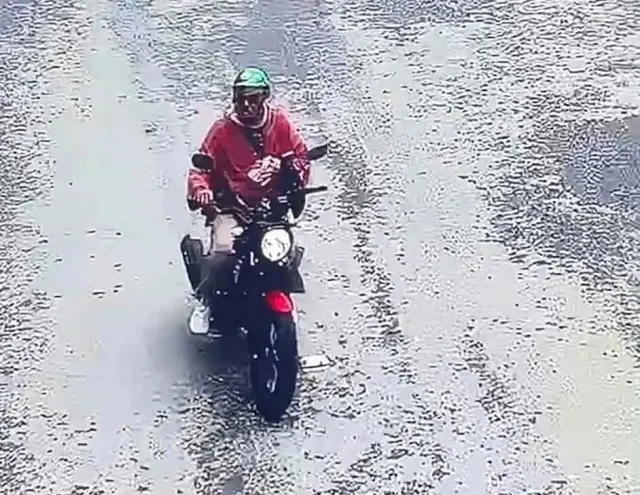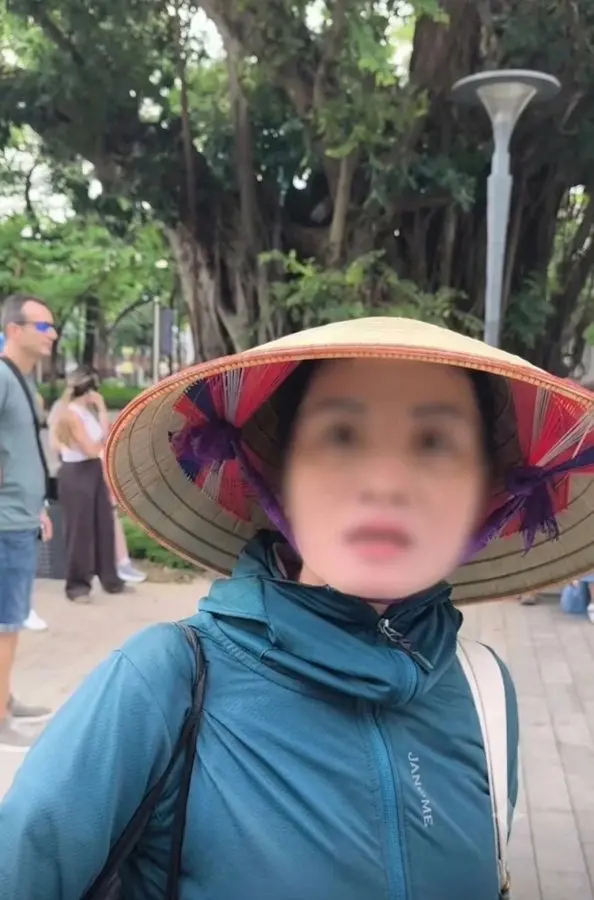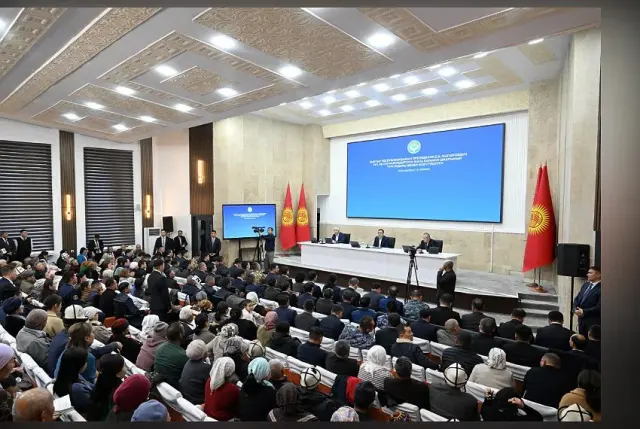
The bowl of pho from a sidewalk stall and the banh mi cart on the corner could soon face less paperwork in Vietnam. A draft law now before the 16th National Assembly — discussed at its 2nd Session, with details outlined on November 11 by the Ministry of Health's Food Safety Authority — proposes waiving Food Safety Eligibility Certificates for micro-producers, small retailers, itinerant vendors and street food stalls. Product declarations and standard announcements for food made by these small operators would also be scrapped.
The logic is simple: millions of Vietnamese earn their living from street vending, and enterprise-level compliance is unrealistic for someone selling sticky rice from a basket or working from a cart with no fixed address. Instead of demanding formal licences upfront, regulators would focus on actual hazards — inspections of what directly affects consumer safety.
Less paperwork does not mean no rules. Vendors would still have to meet basic hygiene criteria: clean water, preparation areas kept away from contaminants, traceable ingredients, and proper handling during cooking, storage and service. They would also need to register their identity, trading location and a signed food safety commitment with local authorities. Ward and commune-level People's Committees would handle these registrations and monitor stalls on the ground, meaning problems could be flagged and fixed within the neighbourhood rather than through distant bureaucratic channels.
Traceability gets a pragmatic makeover too. A mobile noodle seller obviously cannot run electronic invoicing systems, so the draft allows simple records instead — purchase receipts, a handwritten logbook, anything noting the ingredient, supplier, date and quantity. If a food safety incident does occur, that notebook is enough for authorities to trace the supply chain back to its source. The thinking is that the shift from pre-approval licensing to after-the-fact monitoring keeps accountability with the vendor while lowering the barrier to entry.
For travellers, this is quietly good news. Vietnam's street food scene is a core reason many people visit — Hanoi's Nui Truc Street, cited in the coverage, is exactly the kind of place where sidewalk eating defines the experience. A system that keeps vendors legal, accountable and in business means the stalls you love are more likely to still be there, with hygiene standards actually checked rather than assumed. It also protects the character of Vietnamese street food culture, which officials themselves flagged as being at risk if compliance costs push small sellers out. If you eat your way through Vietnam — and you should — this is the policy backdrop that keeps the good stuff on the corner.