A strange case out of Bangor, Maine shows how a long-distance relationship conducted over TikTok escalated into two days of bomb threats, delayed flights and a federal guilty plea.
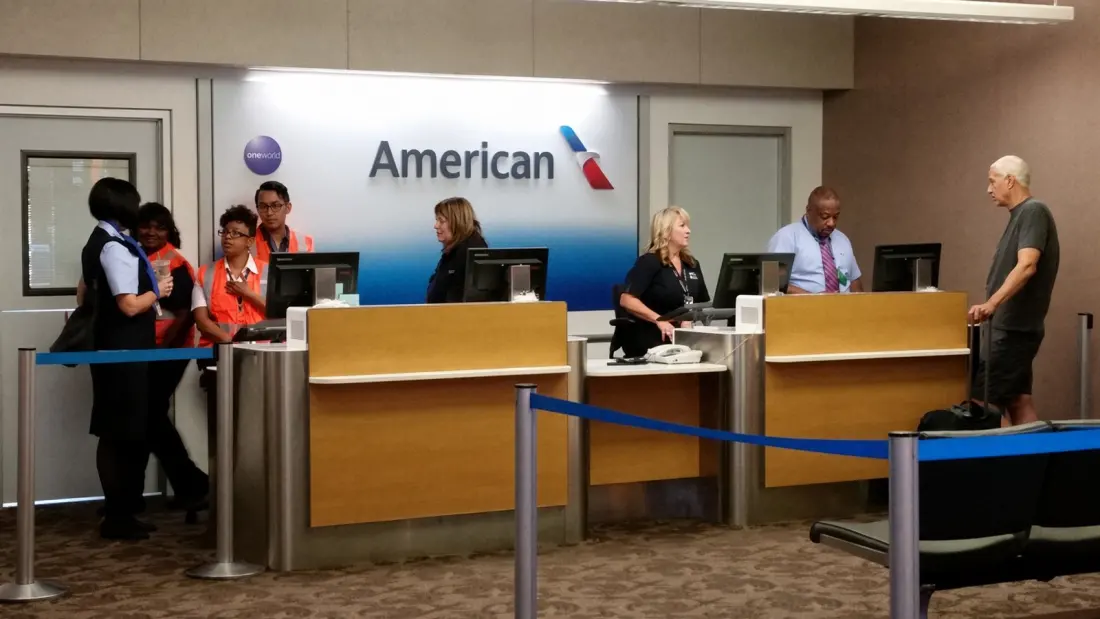
Robert Tyler Wicks, a 25-year-old from Decatur, Alabama, admitted in federal court that he phoned in bomb threats against Bangor International Airport on February 13 and 14, 2025. His girlfriend worked there for American Airlines. The two had met on TikTok, and while the relationship played out online, Wicks apparently wanted more of her attention — so he threatened the airport where she worked, then watched police respond in real time over a video call with her.
The scheme was more elaborate than a random prank call. On the first day, Wicks sent 107 messages to two airline employees, claiming to have guns, insisting their phones were compromised, and promising an 'incident' the next morning. He reached private numbers and knew personal details, which initially led investigators to fear an insider with airport credentials was involved. Early the next morning he called the airport switchboard, claimed bombs with timers were planted outside, and even rang Washington Dulles to threaten an explosion within 15 minutes.
The break in the case came when police spotted the employee on a video call inside the terminal — which explained how a man in Alabama could describe the police response in Maine. He'd also picked up coworkers' contact details during a screen-sharing session with her. Phone records tied the threats to an iPhone and cell towers in Decatur, and when FBI agents interviewed Wicks on February 14, he confessed. As if that weren't enough, investigators say he also stole money from his girlfriend's bank account. He told them the calls were a prank. He now faces up to five years in prison, a $250,000 fine and three years of supervised release.
The real-world cost was modest but real: delays on both days, including an American flight to Washington National running five hours late, with knock-on effects for the next departure. The FBI pegged the airline's losses at roughly $12,189.
What makes this story worth a traveller's attention is how common the motive has become. Bomb threats are increasingly used as a personal tool — by a student dodging a parental visit to an easyJet flight out of Lyon, a husband trying to stop his wife taking a Gulf job from Delhi, a jilted man targeting a Lufthansa attendant's flight from Belgrade, and an Argentine flight attendant hoping to bump her ex from a Buenos Aires–Miami rotation. Each case grounded or diverted full planes and ruined travel days for hundreds of innocent passengers. For anyone flying, it's a reminder that a single call can strand you on a tarmac for hours — and that the person behind it may be closer to the operation than you'd ever guess.