Boracay, a four-square-mile island in the central Philippines, was once famous for beach raves that ran until sunrise. Those days are gone — and what replaced them turns out to be better for almost everyone.
The turning point came in 2018, when President Rodrigo Duterte ordered a six-month closure to fix rampant overdevelopment and environmental damage. At its 2017 peak the island pulled in roughly $1.1 billion from more than two million visitors, but White Beach was choked with concert debris, broken glass and cigarette butts. The pandemic shutdown that followed kept foreigners out until 2022 and cost an estimated $845 million in 2020 alone. Locals say the time off did exactly what the writer at True Home Hotel put it: the island healed.
The Boracay that has reopened runs on rules. Daily visitors are capped at 19,000, beachfront parties are banned, smoking and drinking are prohibited on the sand, single-use plastics are out, and every tourist must show a booking at an accredited property. It is noticeably calmer than the Kesha-soundtracked free-for-all of the 2010s, yet the fun hasn't left — it has just moved indoors and up a tier.
The food scene has matured most. At Percy Seafood, entrepreneur Nowie Potenciano serves mango-tuna ceviche and sambal-marinated grouper sourced from Roxas City, New Washington and Palawan, while his newer Hello, Po spotlights open-fire cooking from across the Philippines. Subo, between Stations 2 and 3, does a regional tasting tour — Luzon pinakbet, Visayan pork belly pochero, Mindanao coconut laksa — with shoes off at the door, Filipino-house style. Old-school pleasures survive too: paluto canteens that cook your wet-market fish, and the unchanged calamansi muffin at Real Coffee and Tea Cafe since 1996.
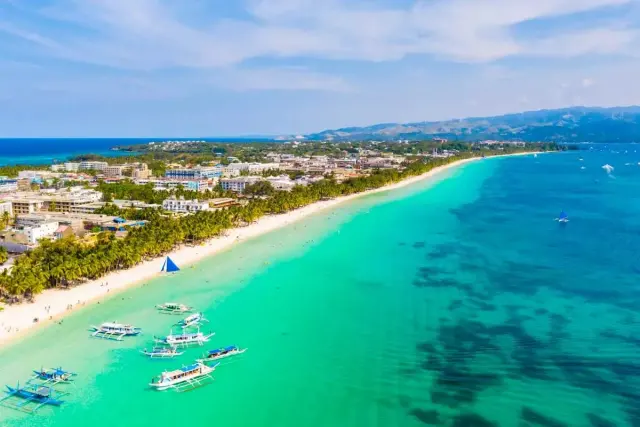
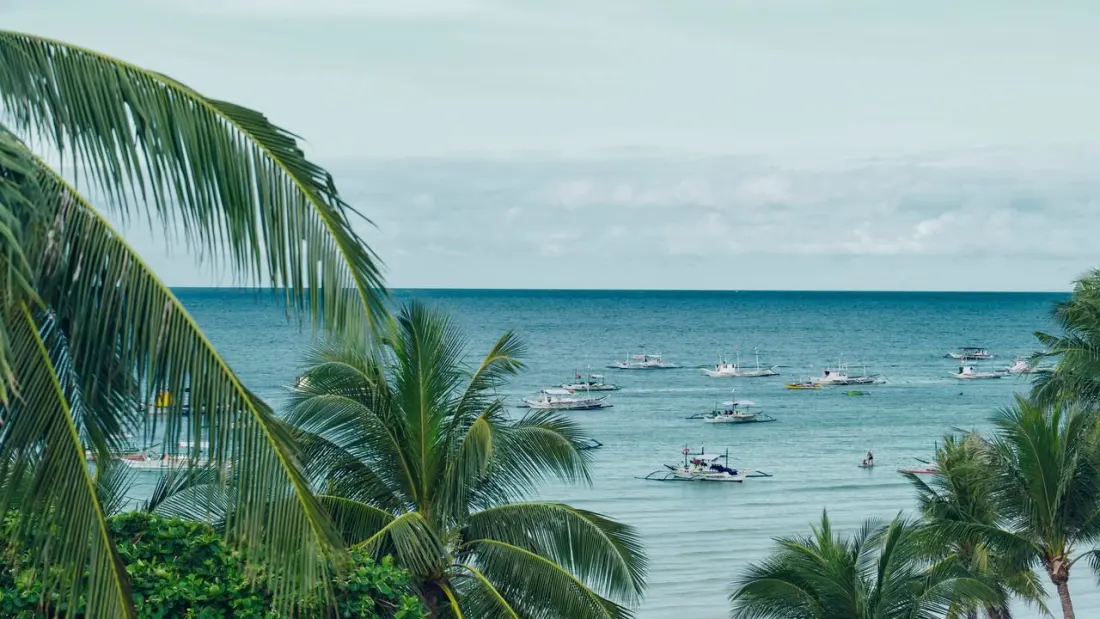
The beach itself remains the main draw. The sand is famously soft, the shallows run wide and gentle, and the beach is split into three stations: Station 1 for high-end hotels, Station 2 for the commercial buzz of D'Mall and bars, Station 3 for backpackers. Beyond sunbathing, options include paraw outrigger sailing, snorkelling safaris and paddleboarding, plus drag shows, live bands and clubs after dark.
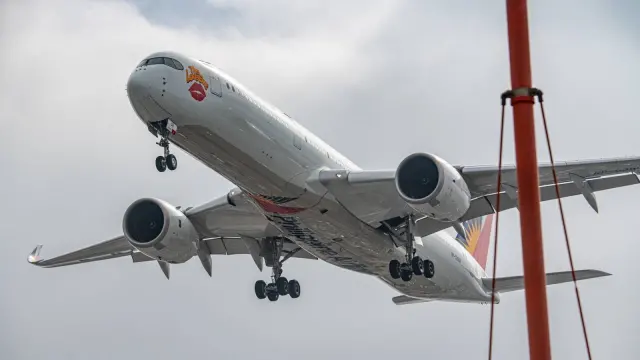
Visitor numbers are already back above pre-closure levels — 2.1 million arrivals in 2025, up 3.7 percent year on year — and a new terminal at Caticlan's Godofredo P. Ramos Airport was set to open in December. Domestic travellers now outnumber international ones nearly five to one, and owners are keen to welcome more overseas guests.
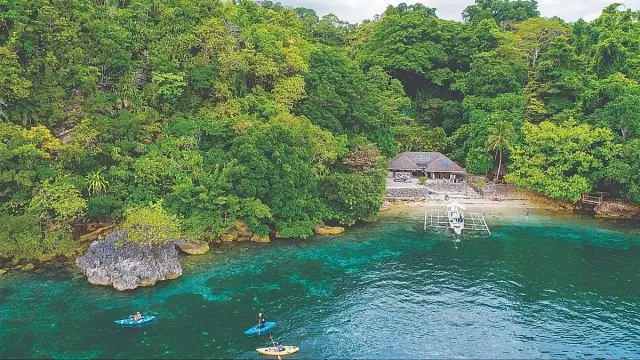
Who should go? Anyone who liked Boracay's beaches but not its chaos, and travellers wanting a Philippine island that pairs genuinely world-class sand with a noticeably better-run, better-fed experience. Accommodation picks run from the Filipino-owned, 118-room Lind Boracay in Station 1 to the secluded 219-key Shangri-La on the island's quiet northern tip, which shares Punta Bunga Beach with Crimson and Mövenpick and has two private stretches of its own.
The veteran advice from locals cuts against the activity-heavy itinerary: the island rewards you when you stand still. Grab a spot on White Beach at sunset, put the phone down, and let the grown-up Boracay do its thing.