Choosing between a turboprop and a light jet has long been one of private aviation's most argued-over decisions, and fresh 2026 benchmark data puts hard numbers on the debate. The headline figure: a modern executive turboprop runs roughly 30% to 45% cheaper per flight hour than a comparable light jet.
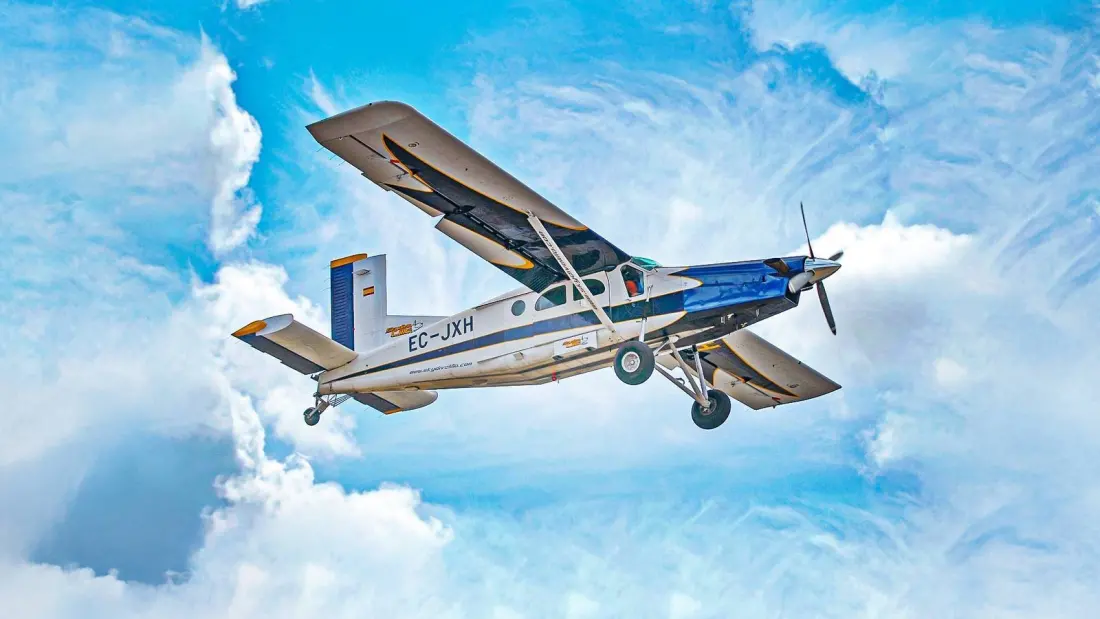
The specifics are striking. A Pilatus PC-12, the workhorse single-engine turboprop, costs around $1,100 per hour in direct operating expenses, burning about 66 gallons of Jet-A an hour. The twin-engine Beechcraft King Air 350i comes in near $1,500 per hour. Compare that with light jets: the Cessna Citation CJ3+ sits at roughly $2,200 per hour, while the Embraer Phenom 300E — burning around 180 gallons an hour — climbs to about $2,600. Fixed costs tell the same story, from about $155,000 a year for the PC-12 to $310,000 for the Phenom 300E.
Over a realistic flying year, the gap becomes enormous. An owner flying 300 hours in a PC-12 will spend roughly $330,000 in direct variable costs; the same hours in a Phenom 300E push past $780,000 — close to half a million dollars before crew salaries and hangar fees even enter the picture.
So why does anyone buy the jet? Speed and altitude. Light jets cruise above 450 knots and can sit above 40,000 feet, overflying turbulence and icing layers that turboprops — typically capped between 25,000 and 30,000 feet — have to fly through. On trips beyond 800 nautical miles, that difference matters: a Phenom 300E completes an 800 nm leg in under two hours, while a turboprop needs nearly two hours and 45 minutes, eroding its per-trip cost advantage.
On short hops, though, the maths flips hard. Below 400 nautical miles, jets spend much of the flight climbing and descending, never using their speed. Data on a typical 350 nm trip shows the block-time difference between a King Air 350i and a Citation CJ3+ is often under 15 minutes once taxi and air traffic routing are included — hardly worth a 40% to 60% hourly premium.
Turboprops do carry caveats. Lower cruise ceilings mean more weather exposure, single-engine types face insurance and operational restrictions on some night or overwater commercial routes, and propeller overhauls are a recurring cost jets simply don't have. Twins like the King Air solve the redundancy issue but burn enough fuel to narrow the gap against entry-level jets like the Citation M2.
The practical takeaway for anyone weighing private aircraft ownership or serious charter use in 2026: match the airframe to the mission. If your legs are mostly under 500 nautical miles, or you need grass strips, unpaved runways and short mountain airfields, a turboprop like the PC-12 or King Air 350i delivers most of a jet's usefulness at a fraction of the cost. If you regularly fly long transcontinental sectors on tight schedules and need to climb above serious weather, the jet premium is money well spent.