Turkey pulled in 5% more tourism money in the third quarter of the year despite welcoming 1% fewer foreign visitors. Sounds like a win, and culture and tourism minister Mehmet Ersoy certainly framed it that way, pointing to longer trips and fatter daily budgets as the reason behind the jump.
The numbers back him up, at least on the surface. Visitors stayed an average of 10.7 nights in Q3, up from 10.2 a year earlier. Spending per night climbed 6.7% to $107, which pushed total spending per visitor up roughly 12% to $1,145. Fewer people, staying longer and spending more — a shift many destinations would happily take.
Here's the catch: hotels barely benefited. Average hotel rates in dollar terms actually slipped, from $149 a night last year to $148 in Q3, according to data from Lighthouse. So where is the money going? Turkish Statistical Institute figures show package tours took the biggest slice of tourism income at 32.3%, followed by food and drink at 20.5%. Accommodation accounted for just 12.5% — meaning the typical visitor hands over more cash at restaurants and tour operators than at the front desk.
That's an awkward position for Turkish hoteliers. The country has spent years courting higher-value tourists and pushing rates up in lira terms, but currency dynamics have eaten into dollar earnings. Guests are spending freely — they're just doing it outside the hotel: on excursions, meals out, shopping and all-inclusive package deals booked through overseas operators, where the tour company captures the margin rather than the property.
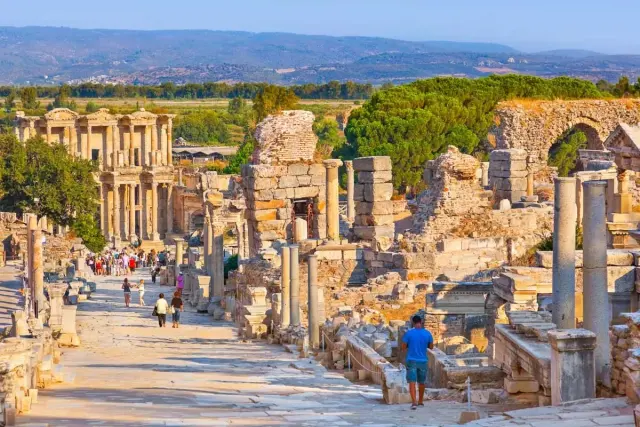
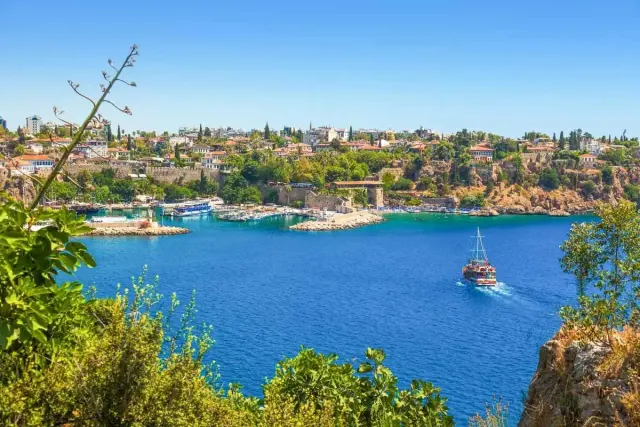
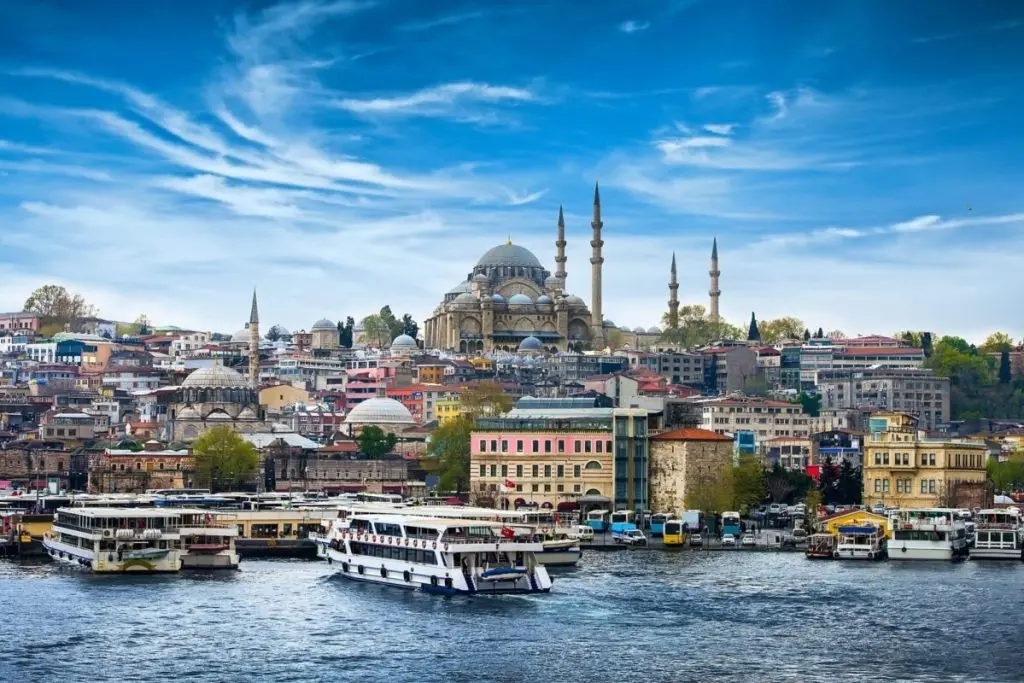
For travellers, the takeaway is fairly straightforward. Turkey still stacks up as strong value, especially for longer trips — the ten-plus-night average stay suggests people are treating it as a proper multi-stop holiday rather than a quick beach week. Spending a fortnight splitting time between Istanbul, Cappadocia and the Turquoise Coast is very much the pattern here, and your per-night costs may well come in below what the headline visitor-spend figures imply, particularly if you book accommodation independently rather than as part of a package.
Who should care: independent travellers comparing Mediterranean destinations for 2027, and anyone who likes the idea of a long, varied trip where a modest hotel budget leaves plenty of room for eating well and touring. Hotel investors and the industry side of Turkish tourism have the more uncomfortable read — revenue growth that bypasses rooms is a hard story to sell.