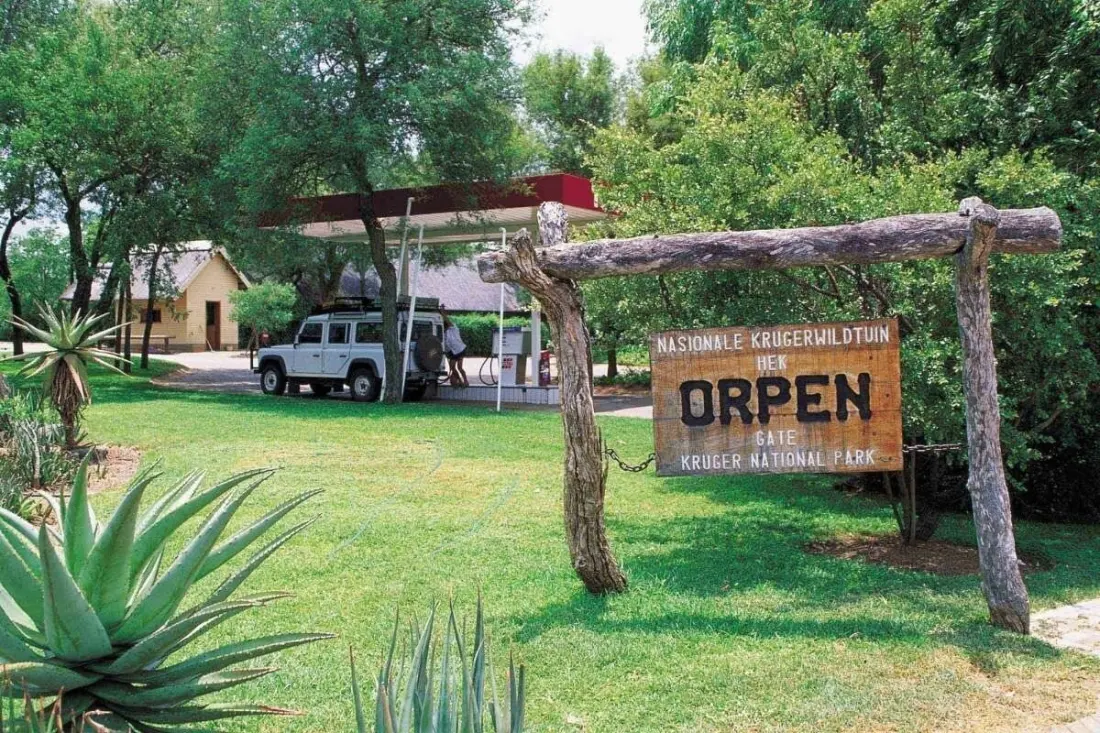
Kruger National Park is far bigger than most first-time visitors expect, and a self-drive safari there can easily mean several hours a day behind the wheel. The good news: you don't have to leave the reserve to fill up. Petrol and diesel are available at all twelve of the park's major rest camps, so with a bit of planning you can tour South Africa's flagship game reserve without lugging spare fuel cans around.
The camps where you can refuel include Skukuza, Lower Sabie, Satara, Letaba, Olifants, Mopani, Shingwedzi, Punda Maria, Berg-en-Dal, Crocodile Bridge, Orpen and Pretoriuskop. Smaller bushveld and satellite camps generally don't have their own petrol stations, so if you're staying at one of those, work out the distance to the nearest main camp before you set off each morning.
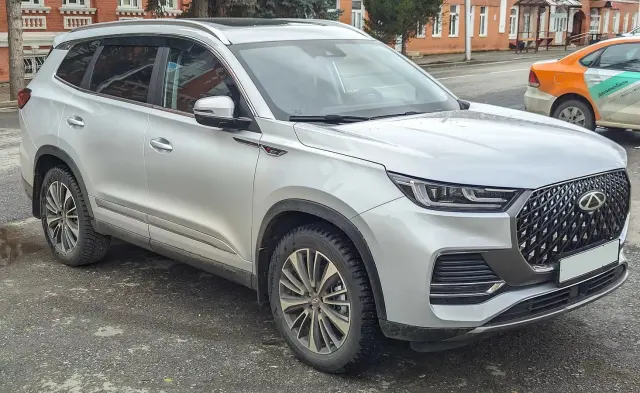
Working out how much fuel you actually need is straightforward maths: estimate your daily driving distance, then apply your vehicle's consumption. A car using 8 litres per 100km needs roughly 8 litres to cover 100km; a thirstier vehicle at 10L/100km needs about 10. The catch is that Kruger driving burns more than the brochure figure. Park rules cap you at 50km/h on tar and 40km/h on gravel, and SANParks suggests an average of around 30km/h on tourist roads for safe, rewarding game viewing. Add time idling at sightings, waiting for an elephant to decide it's done crossing, and detours down gravel loops, and real consumption creeps up. Big SUVs and 4x4s, loaded vehicles and air-conditioning all push it higher still. Build in a buffer rather than cutting the calculation fine.
A few habits make the whole thing painless. Fill up before you enter the park, especially if you're arriving on a low tank. Don't wait for the warning light — top up whenever you pass a main camp with fuel before heading somewhere remote. And plan each day's route around your overnight camp; the park itself recommends a slow, focused approach to game viewing over trying to cover huge distances, which saves fuel and usually means better sightings anyway.
As for jerry cans: for most visitors they're unnecessary given the camp network, but if you do want to carry spare fuel, check the current rules and safety requirements with SANParks first, and never store containers where heat or a loose cap can cause trouble.
For anyone planning a first Kruger road trip, this is the practical stuff that makes the difference between a relaxed safari and a nerve-wracking fuel gauge watch. The camp filling stations effectively turn the park into a loop of reliable top-up points — you just need to know where they are and drive accordingly.