An opinion piece in Daily Sabah has kicked off a bigger conversation about where Turkey is heading strategically — and for anyone planning a trip there, it's worth understanding the backdrop.
The article, by international relations writer Mehmet Fatih Özerdem, weighs up Turkey's ambition to become a 'third pole' in world affairs: a power that stands apart from both the Western alliance and the Russia-China Eurasian axis. Citing a Greek Cypriot academic's assessment and speculation in Lebanese outlet Al-Akhbar about possible Turkish military deployments in the Gulf, the author argues Turkey is a genuine regional player — influential from the Balkans to the Caucasus, the Black Sea to the Middle East and Africa — but not yet strong enough to set global rules on its own.
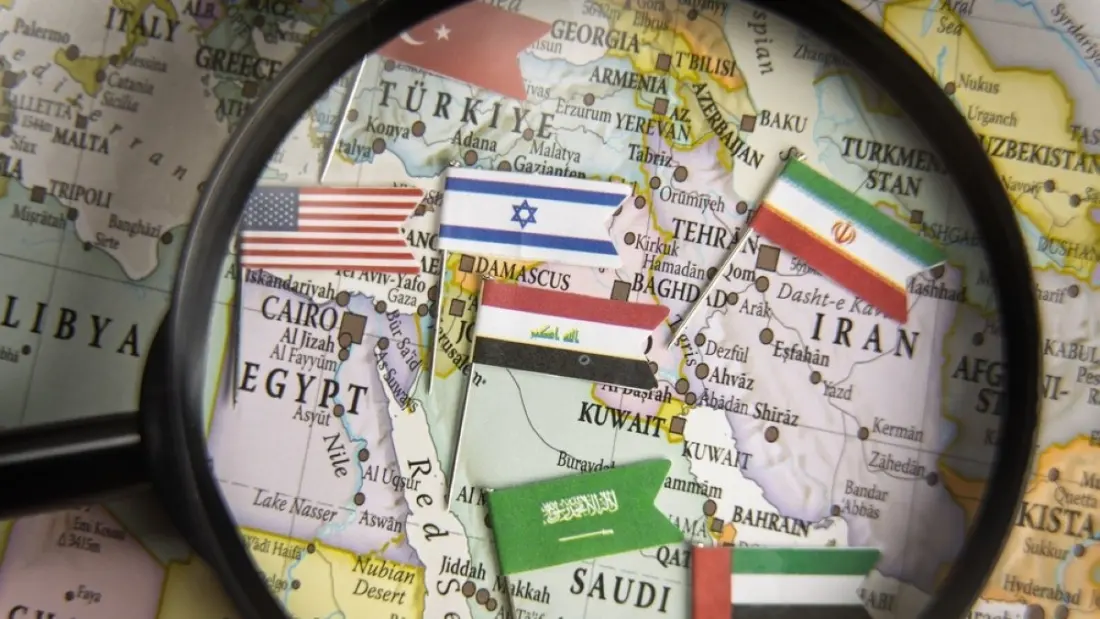
The key tension the piece highlights is the risk of being pulled into other countries' conflicts. It points to the triangle of Iran, Saudi Arabia and Yemen: Turkey competes and cooperates with Tehran, is deepening economic and defence ties with Riyadh, and Yemen stands as a historical reminder of the human cost of wars fought in distant lands — a memory embedded in an Anatolian folk song passed down from Ottoman times. The author urges Ankara to keep every military engagement tied to a clear political objective and exit strategy, and suggests Turkey's real strength will come from brokering peace rather than opening fronts.
So what does this mean if you're heading to Turkey? In practical terms, not much changes on the ground for the millions of visitors who travel there each year. Istanbul, Cappadocia, Antalya and the Aegean coast remain far from any of the flashpoints discussed, and the country's tourism infrastructure is vast and well-developed. But the debate does underline something travellers should keep an eye on: Turkey sits at the crossroads of several active regional rivalries, and its foreign policy is actively evolving — which can occasionally affect border crossings into neighbouring countries, flight routes and travel advisories around the southeast and border regions.
The article's own conclusion is arguably reassuring for visitors. Its central argument is that Turkey's smartest path is diplomatic weight, economic resilience and staying out of wars it doesn't need to fight — the opposite of a country sliding into instability. For now, the debate is one for analysts and policymakers rather than a reason to change holiday plans, but it's a useful reminder that Turkey is a big, strategically complex country where conditions can differ sharply from one region to another. Check current official advice for specific areas, especially near the Syrian, Iraqi and Iranian borders, and travel confidently everywhere else.
Daily Sabah Travel