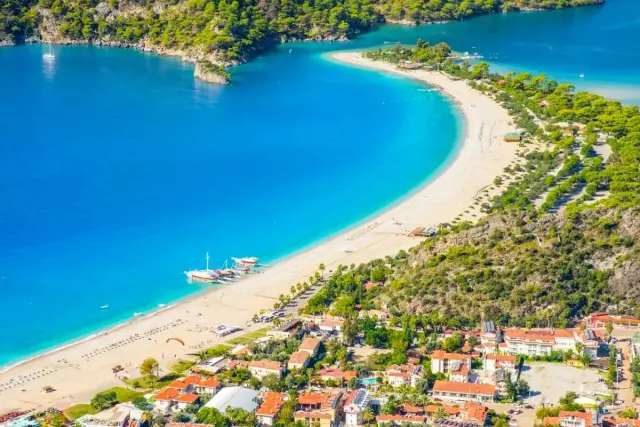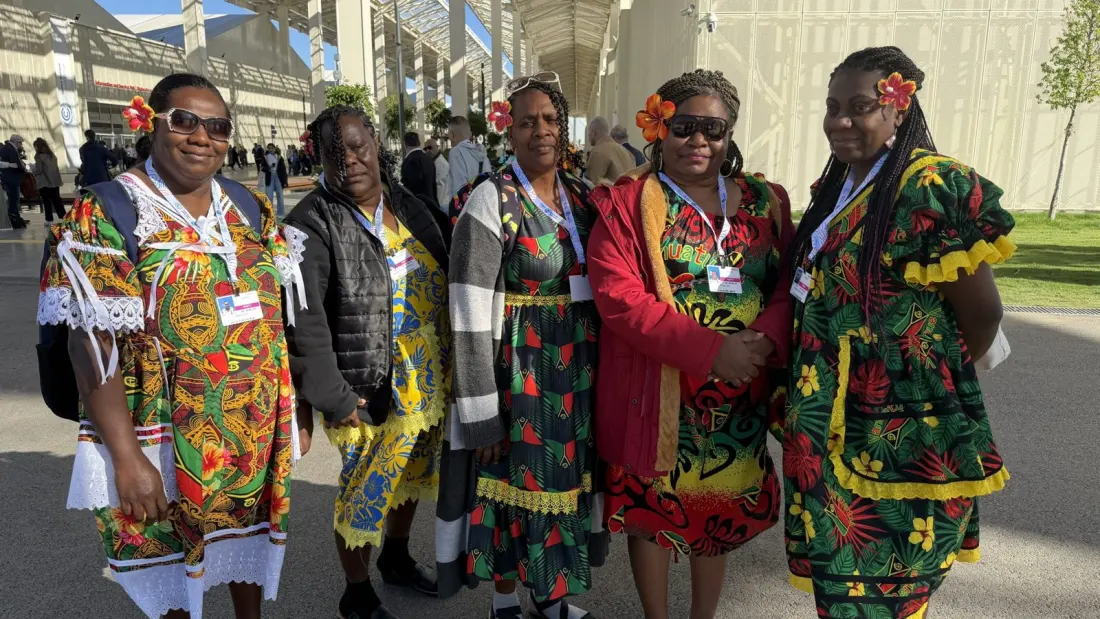
More than 80,000 delegates have landed in Antalya, Türkiye, for COP31 — a summit branded as the "Implementation COP", where the focus shifts from making climate promises to actually delivering them. Host Türkiye and negotiation lead Australia want the talks to concentrate on turning commitments into action. But the Pacific Island delegations arriving in Antalya have a blunt counter-message: implementation means nothing if the world gives up on the 1.5°C warming limit.
That threshold is not an abstract negotiating line for the region. For low-lying island nations, crossing it — even temporarily — shapes whether communities can keep living where they are. Tagaloa Cooper, climate change director at the Secretariat of the Pacific Regional Environment Programme (SPREP), called any overshoot of 1.5°C catastrophic for Pacific communities, arguing the magnitude and duration of an overshoot must be minimal and that the technology to return to 1.5°C already exists — what's missing is political will.
The concern is well founded. The Pacific Islands Climate Action Network (PICAN) is alarmed by a growing acceptance of pathways that exceed the agreed limit. Its international policy lead, Dr Sindra Sharma, warned that every fraction of a degree matters and that temporarily crossing the threshold carries consequences that can't simply be undone. She also pushed back against any summit that waters down ambition, saying the region "cannot afford a COP that lowers ambition when the science demands greater urgency".
COP31 President-Designate Murat Kurum set a cooperative tone in his opening remarks, saying Türkiye and Australia were ready to ensure the Pacific is heard. He also cautioned that delaying resilience investment and adaptation finance only raises the eventual bill: postpone spending today, and tomorrow brings a costlier disaster or a worse humanitarian crisis. The region's negotiating hand has also strengthened in recent years — IPCC science and a recent International Court of Justice advisory opinion on states' climate obligations have added legal and scientific weight to arguments Pacific representatives once had to defend from scratch.
The Pacific's presence won't be confined to the negotiating rooms. The Moana Blue Pacific Pavilion — the region's base at the summit — will run a full programme of side events with governments, regional bodies, civil society and development partners. SPREP has also brought 17 Pacific journalists to Antalya to report the talks back home, connecting decisions made in Turkish convention halls with the island communities whose futures depend on them.
Why does this matter to travellers? The Pacific is one of the world's most compelling — and most vulnerable — holiday regions, from Fiji's reefs to Vanuatu's volcanoes and Kiribati's atolls. Rising seas, coral bleaching and intensifying storms are already reshaping the destinations travellers love, and the tourism economies that depend on them. What's decided at COP31 about climate finance, adaptation funding and the 1.5°C limit will directly influence whether those islands remain viable places to live and visit. Even if you never attend a climate summit, following what happens in Antalya is a way of understanding what the future holds for the Pacific holidays on your list.