Vietnam has added two more natural wonders to its protected list. The A1 and C2 caves, part of the Krông Nô volcanic cave system in Lâm Đồng Province, have been formally recognised as national heritage sites — a designation signed off by Minister of Culture, Sports and Tourism Lâm Thị Phương Thanh that puts them under strict conservation rules.
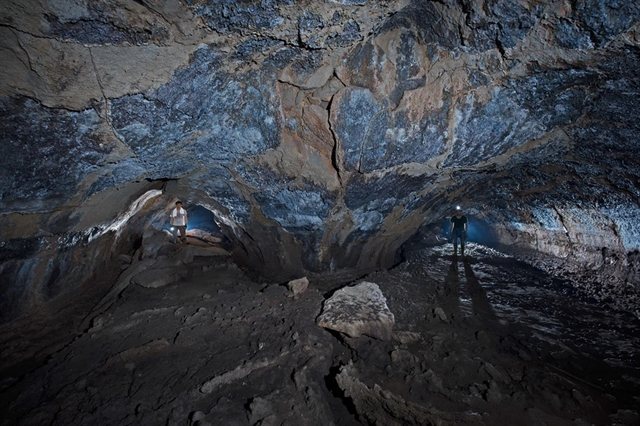
Both caves stretch more than 400 metres long, with depths of three to 10 metres, and both were carved by lava rather than water. That's what makes them special. A1 — known locally as the Lava, Bat or Honeycomb Cave — sits in Choáh Ward and was formed during eruptions of the Nâm B'Lang volcano. C2, variously called the Crocodile Cave, lies nearby in Đức Lập Ward. Their structures are considered rare and scientifically important, offering an unusually clear record of how lava tubes form. The two caves sit in Nam Đà Commune and share characteristics with other sites in the wider Krông Nô network.
Why does the paperwork matter for travellers? The Krông Nô cave system lies inside the core zone of the Đắk Nông UNESCO Global Geopark — already a draw for geology-minded visitors — and the new status gives local authorities a legal framework to manage and promote the sites properly. Officials expect it to spur geological tourism in the province, alongside research and heritage education.
For visitors, the timing is interesting. Cave tourism in Vietnam has boomed since Phong Nha-Kẻ Bàng's enormous river caves put the country on the adventure-travel map, but the Central Highlands offer a different experience: lava tubes you can walk through, set in volcanic landscape rather than limestone karst. Getting in early — before routes and tours are formalised — means a rawer, less crowded encounter.
Practical notes: the caves are in Lâm Đồng Province in Vietnam's Central Highlands, an area better known for coffee plantations, waterfalls and the hill town of Đà Lạt. The region's cool highland climate makes cave visits comfortable year-round, though the rainy season can muddy access roads. Expect rural infrastructure rather than polished tourist facilities — hiring a local guide is the sensible way to explore, both for navigation and for the geology context that makes these caves worth the trip.
The heritage listing also signals growing local commitment to protecting the sites, which should mean better signage, access management and community involvement over time. Anyone building a Central Highlands itinerary around Đà Lạt or the geopark can now add a genuinely rare lava-tube cave visit to the list.