Colombia is set for an unusually high-profile November. Two of the biggest names in Donald Trump's administration are scheduled to touch down within a fortnight of each other, part of a wider warming between Bogotá and Washington that has tangible consequences for anyone travelling to or working with the country.
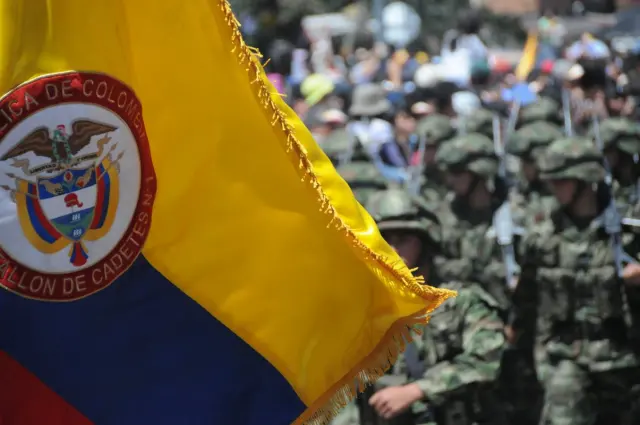
First up, per a Blu Radio report, is Gen. Dan Caine, chairman of the US Joint Chiefs of Staff, expected on November 10. His agenda centres on security: military capabilities, intelligence sharing, border security and counternarcotics work. His arrival will overlap with Southern Vanguard 2026, a multinational exercise running through November 11 at the Tolemaida military base, roughly 68 miles south of Bogotá, with more than 300 US troops taking part since late October. Training covers drug trafficking, illegal mining, drone threats, maritime interdiction, cyberdefense and combat medicine. Not everyone is comfortable: opposition lawmakers have questioned whether Congress needs to approve the scope of US military activity on Colombian soil.
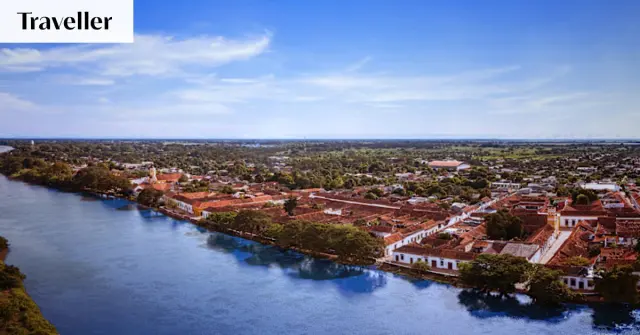
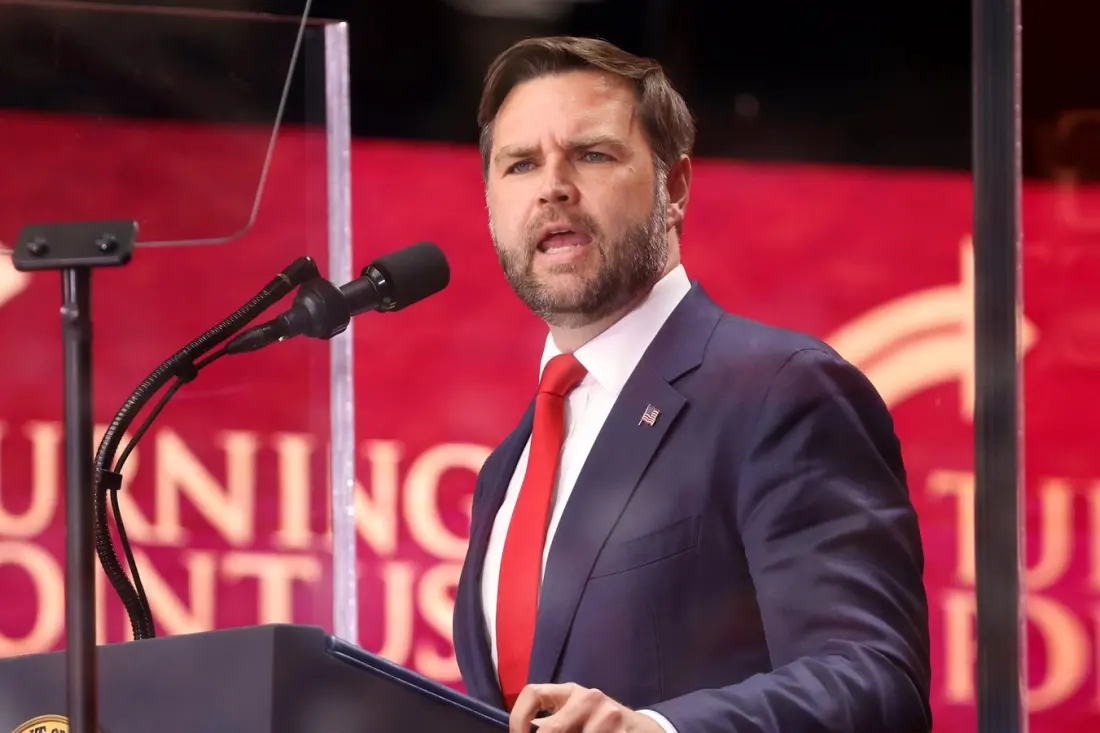
The bigger headline is the second visit. Vice President JD Vance is expected November 20-21 for talks with Colombian President Abelardo de la Espriella — the highest-level meeting yet between the two governments. The venue isn't locked in, with Cartagena, Barranquilla and Medellín all in the mix, which is worth noting if you have trips planned to any of those cities; expect security perimeter disruptions and hotel logjams in whichever one is chosen.
So why should a traveller care? The talks touch on the things that shape day-to-day travel conditions: counternarcotics strategy, regional security, migration policy and trade. Colombia's access to the US market — its largest trading partner — plus tariff discussions and hopes for expanded American investment in energy, infrastructure and technology all sit on the table. A smooth rapprochement generally means steadier flight routes, easier business travel and a more predictable environment for tourism investment; heightened diplomatic activity, meanwhile, means short-term security tightening around major cities in late November.
Both visits still await official confirmation, so treat the dates as firm-ish rather than final. But the direction of travel is clear: after a period of friction, the two governments are rebuilding defence coordination channels, and Colombia is positioning itself as a key US partner in Latin America. If you're heading to Colombia in November, keep an eye on local news around the 20th and 21st, especially in the candidate host cities.
Story reported by Colombia One.