A long-running quirk of sea travel between Britain and Ireland has come to an end. Since Monday 28 September, anyone boarding a ferry on routes between the UK and Ireland needs a valid passport or an Irish passport card. Driving licences and national ID cards, which were previously accepted on many sailings, are no longer enough — and that applies to British and Irish citizens too.
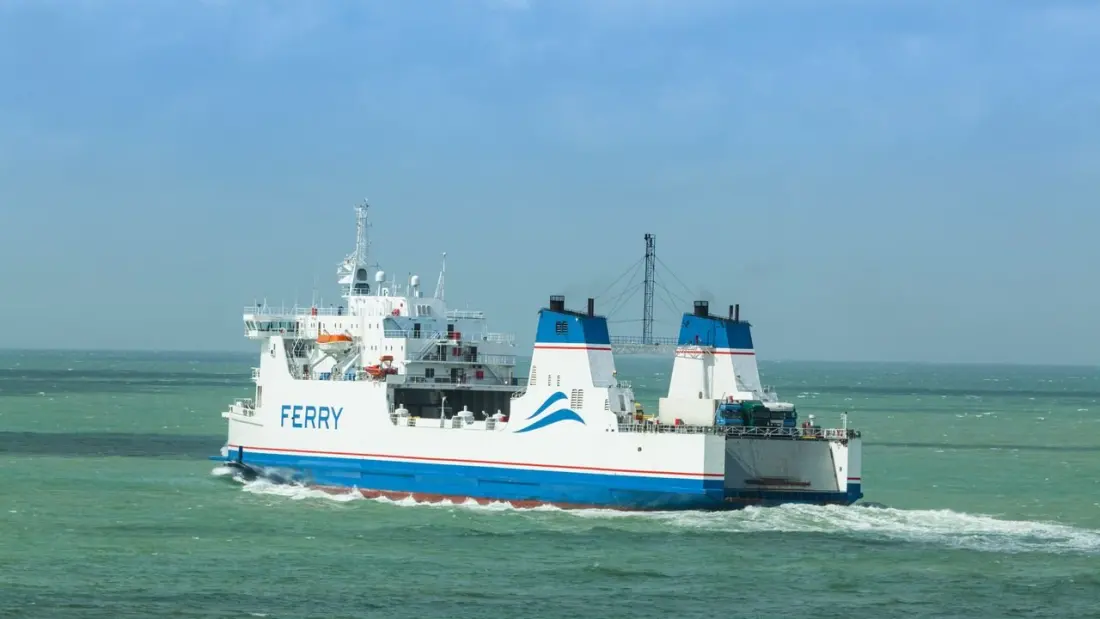
The change covers every UK–Ireland route, including the busiest ones: Irish Ferries' Dublin–Holyhead and Rosslare–Pembroke sailings, plus Stena Line's Fishguard crossings in both directions. The operators are simply falling in line with updated UK Border Force requirements, which involve checking passenger data before travel.
Crucially, this doesn't affect routes between Great Britain and Northern Ireland. Stena Line has confirmed there's no change to ID rules on its Belfast, Liverpool, Cairnryan and Heysham services, so travel within the UK and Ireland's own sea corridors stays as it was.
The timing is no accident. The stricter checks arrive alongside the UK's Electronic Travel Authorisation scheme, which already requires most non-British, non-Irish visitors to secure digital permission before a short trip. Together, the two moves bring sea travel closer to the documentation standards long applied at airports.
For decades, the ferry was the low-hassle option between the two islands — drive the car on, ignore airline luggage limits, skip security queues entirely. It also had a niche appeal as a workaround for passport-free travel, letting travellers decide at short notice to hop across the Irish Sea with nothing more than a photo card. That loophole is now closed, and there have already been reports of cancellations from travellers caught out by the new rule.
If you're one of them, there's some relief available. Stena Line says passengers who booked travel from 28 September onwards, before the new requirement was announced, can move their booking to another date free of amendment fees or fare differences. Those who simply can't meet the passport requirement can cancel for a full refund.
The practical takeaway: if a ferry to Ireland is anywhere in your plans, dig out your passport and check the expiry date now. Irish passport card holders can use those on these routes, which is a handy compact alternative for Irish citizens. Everyone else — including UK residents used to treating the crossing as a casual weekend drive — needs the full document. It's also worth remembering that if you're not a British or Irish citizen, an ETA may be required on top of your passport before you travel to the UK at all.
For anyone who has relied on the ferry-as-travel-hack, the era of spontaneous sea crossings on a driving licence is over. Book with the right documents in hand, though, and the crossing itself remains as convenient as ever — car on board, bags in the boot, no airport in sight.