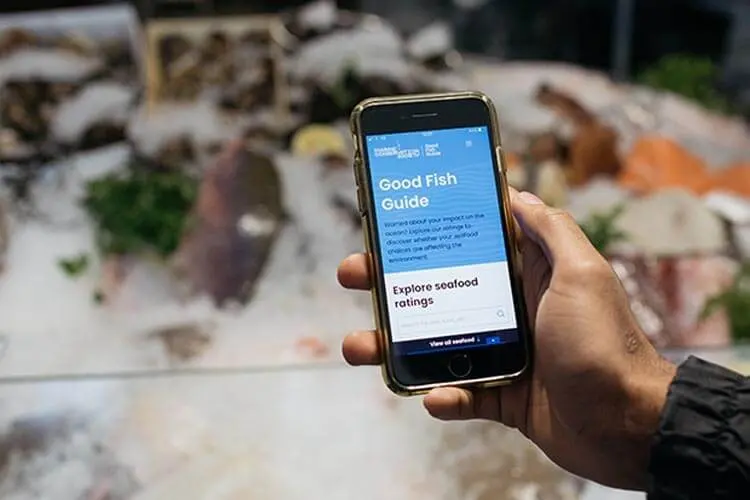
The Marine Conservation Society has refreshed its Good Fish Guide, and the latest round of ratings is a mixed bag: 29 seafood ratings have slipped down the sustainability scale, eleven improved, and two new entries were added. For anyone who orders fish on holiday or shops for it at home, the message is clear — the species alone no longer tells you enough. Where and how it was caught now matters just as much.
The guide uses a traffic-light system: green means a solid sustainable pick, amber signals a fishery needing improvement, and red means leave it on the menu shelf. The downgrades are the headline this time. European hake — long pushed as the swap for cod — has slid from green to amber in the North Sea, Celtic Seas and Bay of Biscay, though MSC-certified Cornish hake stays green. Coley (saithe), another popular cod stand-in, has been red-rated in UK waters from the North Sea to Rockall, with no recovery plan in place, while Icelandic coley remains a safe bet. Icelandic haddock, the biggest haddock source imported to the UK, has dropped to amber too — but North Sea and Scottish haddock is still rated green.
There are genuine bright spots. Atlantic bluefin tuna, once hammered by overfishing, has recovered enough in UK waters to earn a brand-new green rating for the small, well-managed UK fishery — MCS credits management changes made over twenty years ago. North Sea herring has climbed back from amber to green as fishing pressure eased, though herring from most other fisheries stays red. Even gear innovation is getting credit: scallops caught in Lyme Bay using 'disco-pots' fitted with LED lights earned an amber rating, since the method disturbs the seabed far less than dredging.
If you're after white fish, the guide currently backs Alaska pollock from the Gulf of Alaska or Bering Sea, monkfish from the North Sea, Rockall or West of Scotland, and most seabass (just not from the West of Scotland or West of Ireland). On the shellfish front, look for MSC-certified Jersey lobster, Shetland brown crab, UK farmed blue mussels and UK RAS-farmed king prawns.
For travellers, this is a handy pre-trip check: a seafood dish that's sustainable in Cornwall might be problematic from Iceland, and guides like this are updated often enough that last year's advice can be out of date. MCS is also urging the UK Government to set quotas in line with scientific advice, deliver proper Fisheries Management Plans and back a shift to lower-impact fishing methods — pressure that ultimately shapes what ends up on coastal restaurant menus.