
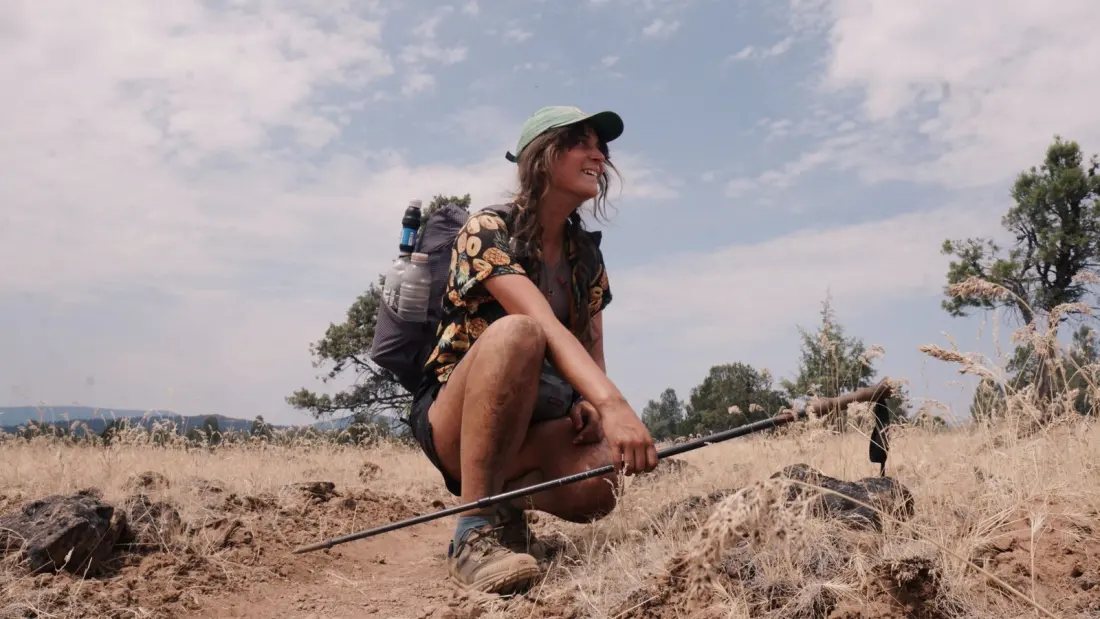
Ayesha 'Heaps' Cording has hiked the Pacific Crest Trail three times, plus the Continental Divide Trail and other long routes. So when she says she's carrying nearly 14 ounces more than she used to, it's worth listening. Her recent piece traces the 'ultralight rebound' — the point where gram-counters start buying comfort back — and it doubles as a solid shopping list for anyone eyeing a long hike.
Her origin story is a classic. On her first PCT attempt in 2016 she'd ditched her rain jacket to save weight, then got caught in a storm with her arms jammed inside a sleeveless gas-station poncho while everything in her pack soaked through. By 2025 she was willingly carrying an extra 13.85 ounces to avoid repeating that misery.
The swaps are specific. She went back to a full-length Therm-a-Rest NeoAir XLite NXT (13 oz) after a DIY torso-length cut-down pad, sealed with a cheap hotel iron, deflated on her for 400 straight miles. She re-added a stove — the 5.6 oz SOTO Amicus with a TOAKS 750ml pot — after a September night on the Colorado CDT where ice formed inside and outside her tarp; hot food and a boiling-water Nalgene in the quilt suddenly stopped looking like luxuries. Even Ray Jardine, the godfather of ultralight hiking, later admitted skipping the stove on his 1993 AT hike was 'too bold.'
Two smaller additions round it out: a 2.1 oz detachable hipbelt on her Meadowphysics Crane pack, added after cutting the hipbelt off an earlier pack caused shoulder nerve issues, and 3.2 oz Body Wrappers dance pants, which add warmth at night, keep grit off the quilt, and shield ankles from mosquitoes — plus a psychological boost that's hard to price.
The takeaway isn't anti-ultralight. Cording still snaps the handle off her toothbrush. It's that the right question changes with miles: not 'can I survive without this?' but 'what do I actually lose by carrying it?' For travellers planning a first long trail — the PCT, CDT, or anything multiday — that's a genuinely useful framework. Sleep systems, hot food in cold weather, and hip support are the three areas where cutting too deep costs real recovery, and each ounce saved there can translate into worse mornings and shorter hiking days. The gear she lists is compact and widely available, so it's a practical starting point whether you're thru-hiking or just doing a week in the mountains. Credit: Backpacker.