
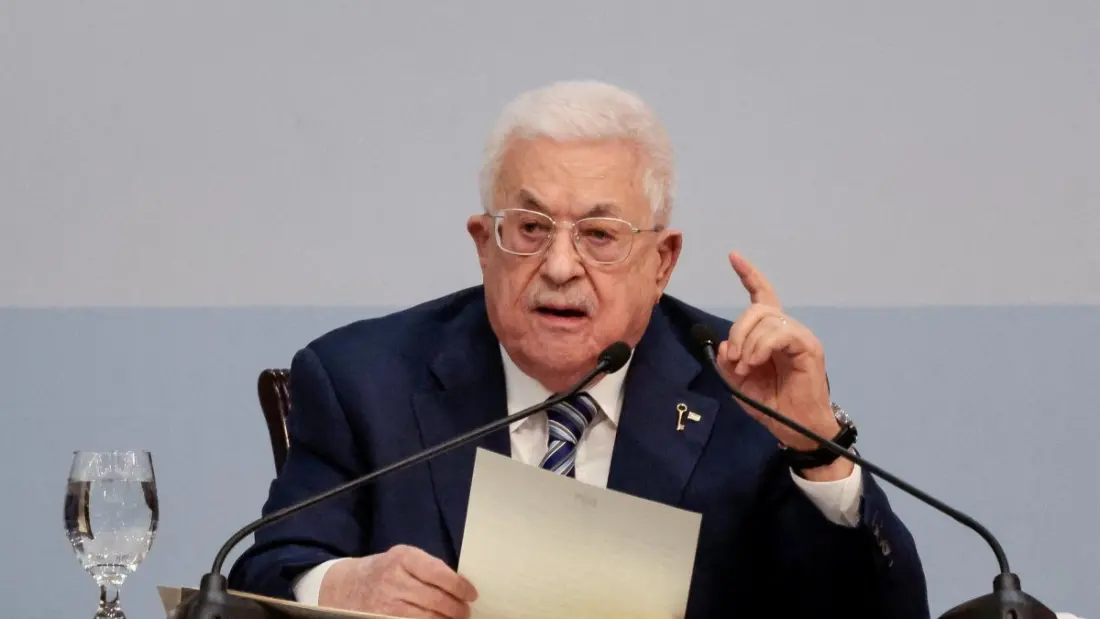
New York is bracing for another charged United Nations General Assembly week, and this year's line-up is already drawing controversy before anyone lands at JFK. Israeli Prime Minister Benjamin Netanyahu is scheduled to address the global body in person, while Palestinian President Mahmoud Abbas has once again been refused a US visa and will speak by video instead — for the second year running.
The contrast is stark. Netanyahu is subject to an International Criminal Court arrest warrant issued in November 2024 over alleged war crimes in Gaza, yet the US — which hosts UN headquarters and is not a party to the Rome Statute — is letting him attend. The General Assembly voted overwhelmingly, 152 to 3, to allow Abbas to appear virtually, a workaround necessitated by Washington's visa denial. Critics point to the 1947 headquarters agreement, which obliges the US to grant access to UN diplomats, and note the echo of 1988, when Yasser Arafat was similarly barred.
The visit is also diplomatically awkward beyond the podium. Dozens of delegations walked out when Netanyahu spoke in September 2025, and more walkouts are expected this year. New York Mayor Zohran Mamdani has said he considers Netanyahu a war criminal who belongs in The Hague, though city enforcement options are limited. Netanyahu's plane is reportedly routing into Newark, New Jersey, rather than a New York airport, and previous trips have crossed the airspace of ICC member states without enforcement. Türkiye, meanwhile, has pushed for an Interpol Red Notice that would further constrain his travel.
For anyone in Manhattan during UNGA week, all of this has practical consequences. Expect large demonstrations — Times Square saw protests during last year's speech — plus heavy security cordons, road closures on the East Side around UN headquarters, and significant traffic disruption across Midtown. Hotel prices spike and availability thins as delegations book out blocks of rooms. If your trip overlaps the session, build in extra time for getting around, consider staying below Midtown or in outer boroughs, and keep an eye on local news for protest routes and street closures.