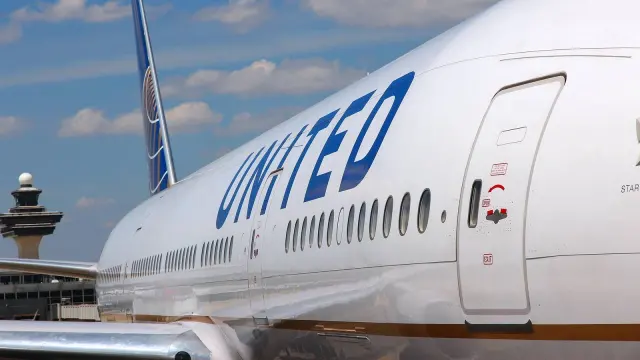
One lucky United Airlines passenger turned an empty exit row into a personal sports bar at 30,000 feet. Chase Snyder found himself with an entire row of seatback screens to himself and put them to work, streaming three college football games on the built-in entertainment while his laptop and tablet handled two more on the fold-out tray. He shared the setup on X, where it racked up thousands of likes — and United itself jumped on the moment, reposting the stunt as proof of what its onboard Starlink WiFi can do.
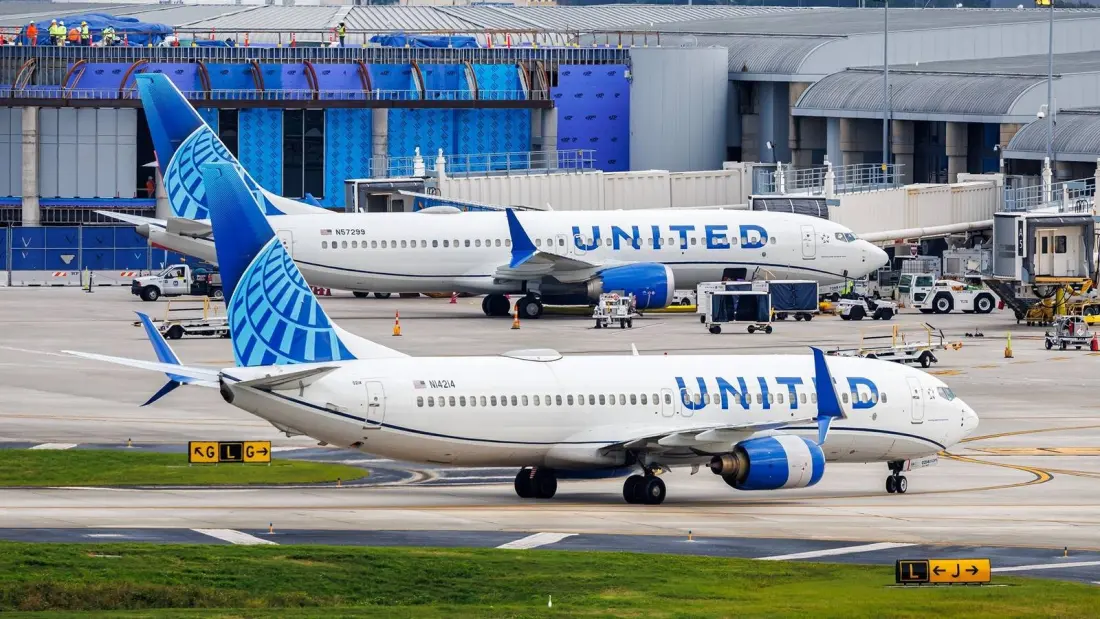
The real story for travellers is the tech behind the flex. United began fitting Starlink on selected aircraft in March of last year and confirmed in its Q2 results that more than 450 planes are already connected. The current forecast puts around 880 aircraft equipped by the end of this year, with the full fleet of more than 1,100 done by the end of next year. That would make United the first of the big three US carriers to offer the satellite service fleet-wide — something only JetBlue has managed so far among US airlines.
Why does Starlink matter if you're the one in the seat? Speed and coverage. The service is free for passengers and reaches up to 250 Mbps on regional jets, which United says is up to 50 times faster than its previous WiFi. Because it runs on low-orbit satellites, it also stays reliable over oceans and remote regions where conventional air-to-ground or older satellite connections tend to drop out. In practice, that means video calls, streaming and yes, five simultaneous football broadcasts, work in places where in-flight WiFi historically meant a slow email check.
The competitive picture is interesting too. American Airlines is also expanding Starlink, now planning it across its whole fleet rather than just Airbus aircraft. Delta went a different way, betting on Amazon Leo for closer integration with Prime, retail perks and gaming, aiming for lower costs and higher bandwidth. For Starlink, airline connectivity is becoming a serious business — recent earnings showed it accounts for roughly 10% of total revenue.
For anyone flying in the US over the next year or so, the practical takeaway is simple: gate-to-gate, high-speed, free internet is rapidly becoming the norm rather than a premium perk. If you're booking with United, check whether your aircraft is one of the Starlink-equipped ones — and if you're a sports fan, an empty exit row might be the best seat in the house.