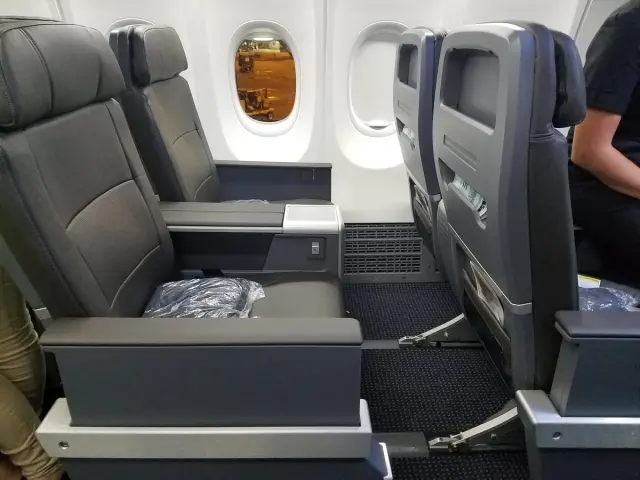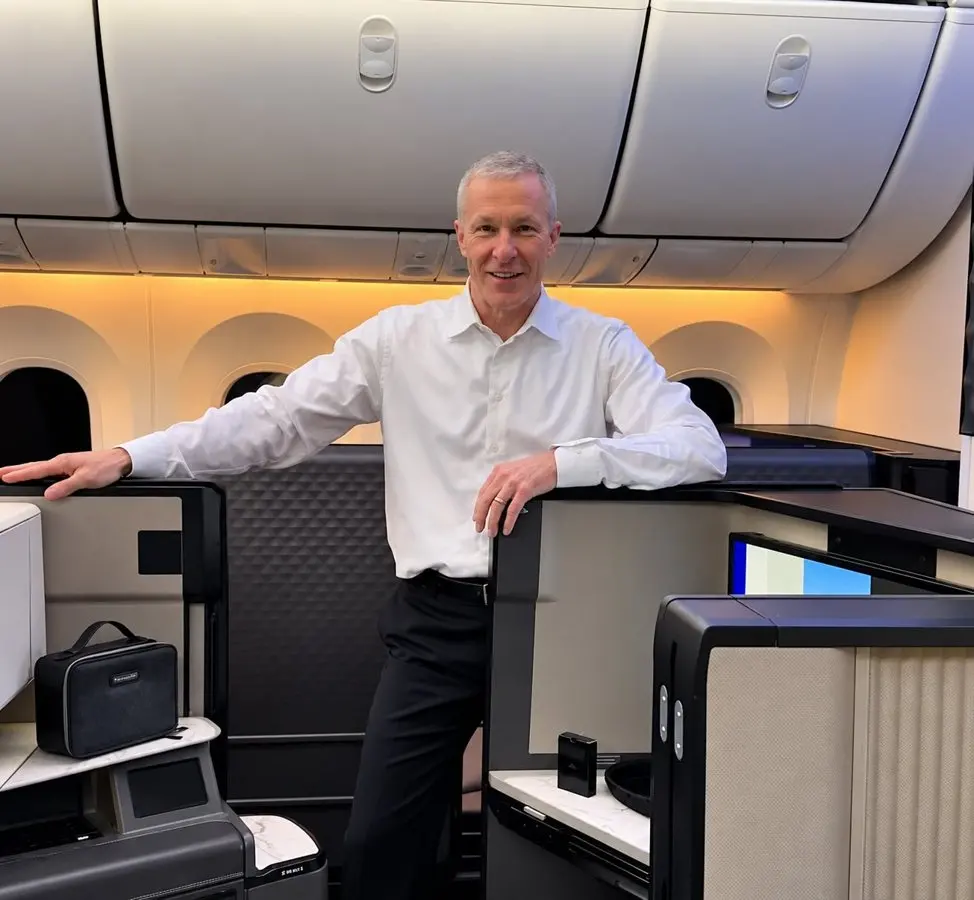
"You can't just take a Four Seasons room, copy the room, put it in a Motel 6, and expect it to be a Four Seasons." That was United Airlines chief executive Scott Kirby on the company's October 21 earnings call, responding to a Citi analyst who asked about rivals chasing premium turnarounds with new seats and reworked fares.
Kirby's point was that hardware is the easy bit. Any airline can install a lie-flat seat with a door; far harder to replicate the surrounding operation — reliability, technology, ground experience, and staff who actually care. In his telling, only two US carriers have managed the full package, a not-very-coded nod to United itself (and likely Delta), with American and Southwest the implied stragglers.
There's real substance in the argument. Agleaming business class seat stops impressing quickly when the footrest is broken, the power outlet is dead, or the entertainment system has frozen — maintenance is part of the product. Likewise, a six-hour rolling delay burns into memory far longer than the seat fabric, and a flight attendant who handles a problem graciously adds value no cabin refit can buy. United has genuinely invested here: a strong app, Starlink Wi-Fi, and newly upgraded lounges, such as the United Club in Houston.
But the analogy cuts both ways, and Kirby's confidence that loyal customers can't be poached by better products looks shaky. Plenty of travellers are free agents: a lie-flat seat on a route where United flies a recliner, or a better departure time, is a perfectly good reason to switch airlines for a given trip. Competition from American's new cabins and JetBlue's premium push should keep United honest rather than be waved away.
The deeper lesson for anyone who pays for premium travel is that the label sets the expectation. Once an airline charges Four Seasons prices, a Motel 6 operation isn't an excuse — and that applies to United's own uneven onboard service as much as to anyone else's.
For travellers, the practical takeaway is to judge airlines on the whole experience, not the spec sheet: check recent reviews for cabin maintenance and on-time performance on your specific route, not just whether a seat has a door. And if a competitor offers the better combination of schedule, price and product for your trip, Kirby's own logic says you should take it — because a better seat, in the right circumstances, really is a reason to switch.