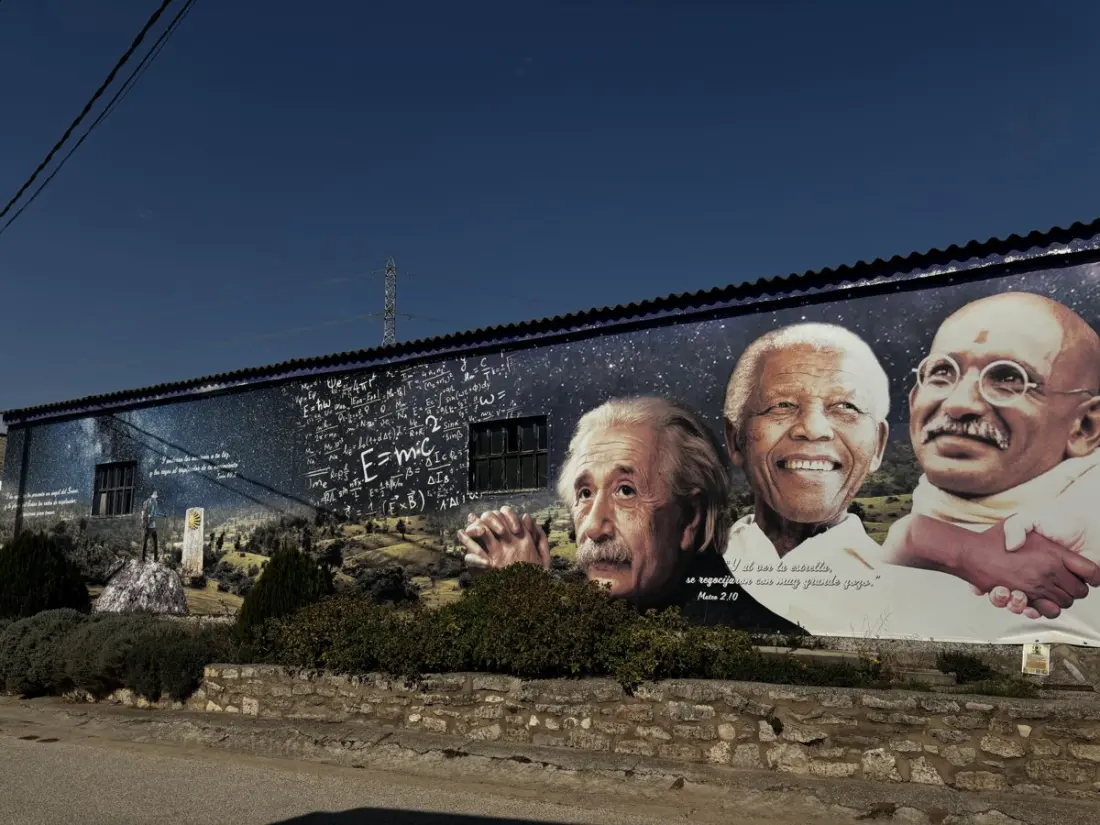
Twenty days into a Camino de Santiago pilgrimage, something shifts. A trekker writing for The Trek describes how the walk stops being about kilometres and starts becoming something more personal — a meditation on love, faith, and what compassion actually means in practice.
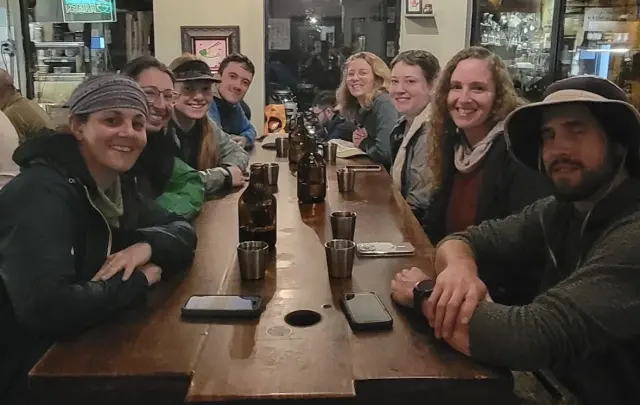
The reflection at the heart of the piece is simple but pointed: love, in its truest sense, is unconditional and can't be measured out. The writer's conclusion is that reducing faith to a box — one that excuses harmful behaviour — misses the entire point. It's a thought that arrives, as these things tend to on the Camino, somewhere between a long morning of walking and an evening among strangers who have become friends.
That's the quiet magic of this route that experienced pilgrims talk about constantly. The Camino Francés, the classic path from Saint-Jean-Pied-de-Port in France to Santiago de Compostela in north-west Spain, takes most walkers four to five weeks. Somewhere around the two-to-three-week mark — roughly day 20, in fact — the rhythm of walking, eating, sleeping and repeating strips away a lot of mental noise. Blisters heal, the body toughens, and the mind wanders to bigger questions. Many pilgrims say the real journey starts once the novelty wears off.
For travellers considering it, the practical draw is just as strong. The route is lined with albergues (pilgrim hostels) costing roughly €8-15 a night, menu del día lunches are often under €15, and you walk with a credential (pilgrim passport) that gets stamped along the way to earn your Compostela certificate in Santiago. No mountaineering skill required — just time, decent shoes, and a willingness to be changed a little.
Who's it for? Anyone with a few weeks to spare who wants a holiday that doubles as a reset. You don't need to be religious; plenty of pilgrims walk for the landscape, the company, or the head-clearing days through Galicia's green hills. But as this day-20 entry shows, the trail has a habit of nudging people toward reflection whether they planned on it or not.