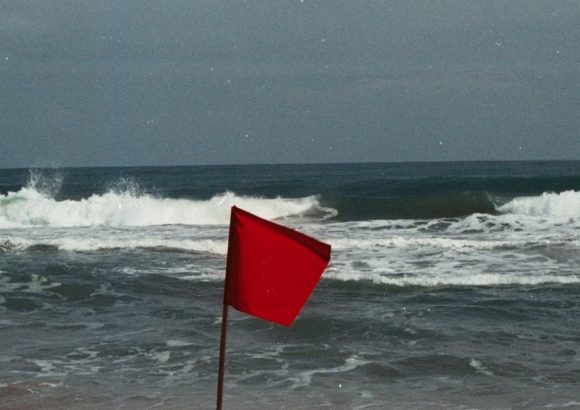
If you're holidaying on the Dominican Republic's north coast right now, leave the swimwear in your bag: local authorities have temporarily outlawed swimming along much of Puerto Plata province's Atlantic shoreline.
The Puerto Plata Prevention, Mitigation and Response Committee raised red flags across the province's beaches after a swell pushed in dangerous conditions, including powerful waves and rip currents. The ban took effect on Thursday, October 22, 2026, and stays in force until further notice. It covers not just swimming but water sports and fishing too.
The affected stretch is a big one. Restrictions run the length of the province's coast, from Sabaneta de Yásica through Cabarete, Sosúa, Montellano and San Felipe de Puerto Plata, down to Maimón and Luperón, plus parts of Villa Isabela. That takes in some of the north coast's best-known holiday beaches — including Cabarete, a magnet for kitesurfers and one of the Caribbean's top water-sports towns — so plenty of visitors are directly affected.
Officials are asking people to steer clear of breakwaters, seawalls, rocky stretches and the waterline altogether, and to follow instructions from Civil Defense, the Dominican Republic Navy and local authorities. Rip currents are the real danger here: they can pull even confident swimmers out to sea quickly, and they're often hard to spot from the beach.
For travellers, the practical takeaway is simple. Red flag means no entering the water, however inviting it looks — lifeguards and authorities enforce the ban, and the conditions genuinely are hazardous rather than cautious overkill. If your trip revolves around surfing, kitesurfing or fishing, check with your hotel or tour operator before heading out, since operators are subject to the same restrictions. Beach walks, pools and inland excursions remain fair game, so there's still plenty to do while the swell passes through.
The measure is open-ended, so keep an eye on updates from your accommodation or the Civil Defense before planning any beach day. Conditions on the north coast can change quickly, and flags will come down once the sea calms — but until then, the smart move is to respect the ban and enjoy the coast from dry land.