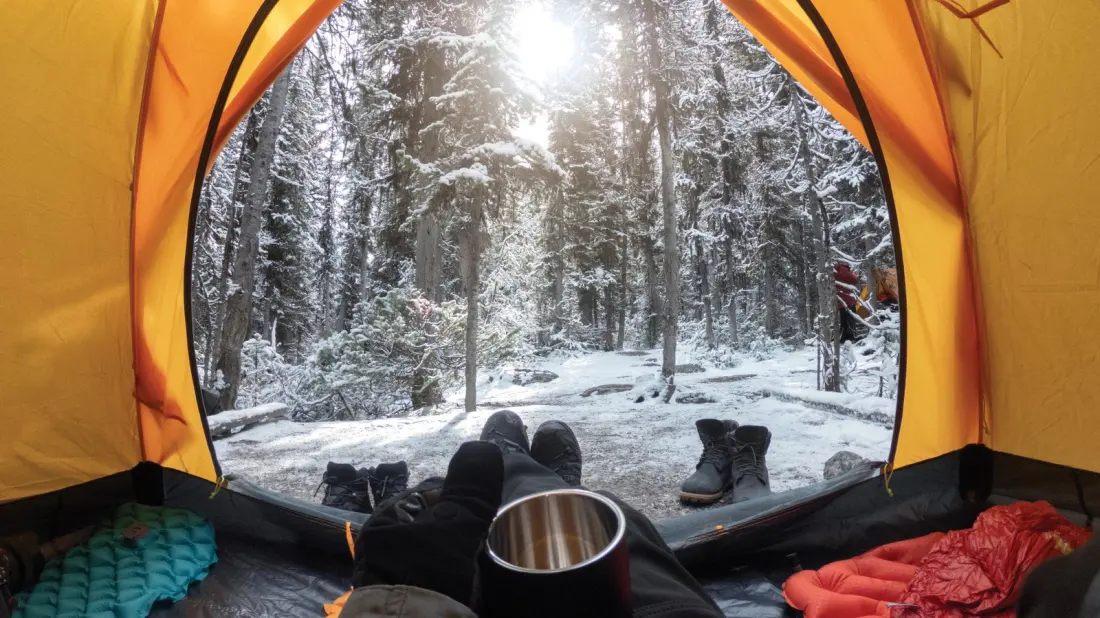
Cold nights don't just happen in winter. Ask anyone camping near Idaho Springs in the Colorado foothills in September 2025, when early snow dusted what should have been a mild late-summer trip. Elevation can flip the script fast, and even a well-equipped camper can end up shivering until sunrise.
There's a fix, though, and it requires no trip to an outdoor store: heat rocks in your campfire and tuck them into your sleeping bag. The method is simple but has real rules. Use dry stones only — wet rocks can explode when heated — and avoid sharp-edged ones that could tear gear or jab you in the night. Let the stones heat up around the fire, then lift them out with thick gloves or tongs and wrap them completely in a heavy natural fabric like cotton or wool. Synthetics can melt or disintegrate against heat, which is the last thing you want pressed against your sleeping bag. Small stones can even go inside cotton or wool socks. Scatter the wrapped rocks in and around your bag, wait about 30 minutes, and climb in. The rocks keep radiating warmth for several hours.
No campfire? A hot water bottle works nearly as well. Fill a Nalgene bottle — the rugged plastic handles boiling water without warping or leaking — and sleep with one near your core and another at the foot of your bag. Campers online affectionately call them 'Nalgene babies.' This is also the safer option where fire bans are in place or kindling is scarce, such as high on Denali in Alaska.
Single-use air-activated hand warmer packets are the third option: cheap, effective, and instant, though less environmentally friendly than reusable bottles or plain old rocks.
All of these are backup plans, really. The first line of defence is gear: a solid tent with a proper rain fly, a quality sleeping pad, and a sleeping bag rated warmer than you think you'll need. A little extra pack weight is a fair trade for not spending midnight chattering your teeth. And if the night turns out warmer than forecast, you can simply unzip the bag or sleep on top of it.
For anyone planning autumn shoulder-season trips or high-altitude camps, this is the kind of low-effort knowledge that turns a miserable night into a decent one — and it costs nothing but a few stones and an old cotton shirt.