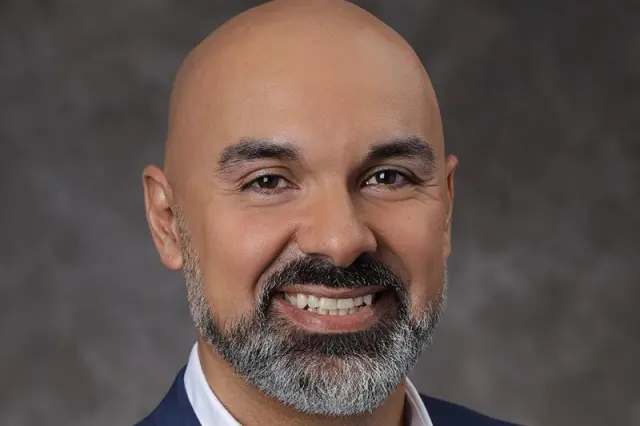
Andrew Skurka has walked more legendary long-distance routes than almost anyone — he was the first to complete the Sea-to-Sea Route, the Great Western Loop and the Alaska-Yukon Expedition — and he's spent the last 17 years running around 50 guided backpacking trips a year in Utah, Alaska, the High Sierra and Yellowstone. So when he says there's a "right" way to backpack, it's worth hearing out.
His argument, revived in a recent video series with The Trek, isn't about gear snobbery or the endless ultra-lighter-versus-luxury debate. It's simpler: match your gear, supplies and skills to the conditions you'll actually face and the trip you actually want. The much-quoted trail saying "hike your own hike" applies to your objective, not as a free pass for poor preparation.
That objective, Skurka says, sits on a spectrum. At one end is the hiking-obsessed thru-hiker chasing miles, for whom camp is just an eight-hour recharge stop. At the other is the backcountry camper — someone who wants a camp chair, a book by a stream, maybe a photography project, and doesn't care about big mileage. Neither is wrong. What IS wrong is an inconsistent approach: packing for one style of trip while attempting another, or ignoring the conditions entirely.
Skurka knows, because he got it badly wrong himself. Thru-hiking the Appalachian Trail in 2002 at age 21, averaging 22-23 miles a day, he suffered through near-hypothermic nights below freezing on Roan Mountain in Tennessee, got caught in a cold, wet storm near Newfound Gap in the Smokies without proper rain gear, mismanaged water on Georgia ridgelines, ate Pop-Tarts and bonked on sugar, and finished the trail with a folliculitis infection. Wrong gear, wrong skills, wrong supplies.
His fix is homework done before you leave. Check normal high and low temperatures, adjusting for altitude — roughly 3°F per 1,000 vertical feet in the East, closer to 4-5°F out West. Look at monthly precipitation (think six inches of rain in West Virginia in May versus near-zero in the High Sierra in September). Assess sun exposure — canopy, desert or alpine — since that dictates clothing versus sunscreen. And check daylight hours: late June in northern Michigan gives you more light than you can use, while shoulder-season trips demand a serious headlamp. Skip this step, he argues, and you end up packing by "what if" and "just in case."
Why should a traveller care? Because most of us have been the 21-year-old Skurka at some point — enthusiastic, underprepared, and suffering for it. Whether your next overnighter is a big-mileage push or a lazy camp-heavy weekend, deciding which one it is first makes every packing and route decision afterwards obvious. You can even switch between the two styles on different trips; just be honest about which one you're on.