A dance style kept alive for centuries in Vietnam's far north-west has just been handed official recognition. The traditional dance of the Cống ethnic minority, a small community living in the border highlands of Điện Biên Province, has been added to the country's National List of Intangible Cultural Heritage. The certificate was handed over on October 20 in Nậm Kè Commune, following a decision by the Ministry of Culture, Sports and Tourism.
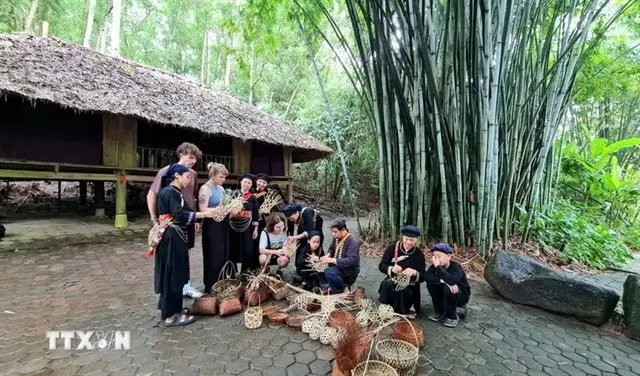
For the Cống people, dance isn't performance for outsiders — it's how the community stores its memory. The choreography and music reflect agricultural cycles, spiritual beliefs and old customs, and passing the steps down through generations has been a way of holding the community together in one of Vietnam's most remote corners. The tradition survives today in the communes of Nậm Kè, Mường Chà and Thanh Yên, kept going largely by village elders and master artisans.
Officials at the ceremony were clear that the listing is a starting point rather than a finish line. Nguyễn Thị Thanh Chuyên, deputy director of the provincial culture department, pushed for funded folk culture clubs, digital documentation of oral histories, and paid opportunities for older artisans to teach young people. Local leaders in Nậm Kè plan awareness campaigns, systematic recording of the dances, school-based transmission — and, notably for travellers, community tourism models designed to keep the Cống in charge of how their culture is shared.
The numbers give a sense of how culturally dense this province is. Điện Biên now counts 24 national intangible heritages and 41 Meritorious Artisans, four of them Cống. It also holds two UNESCO-listed traditions: the Xòe Thái dance and the Then practice of the Tày, Nùng and Thái peoples.
Why should this matter to anyone planning a trip? Điện Biên sits well off Vietnam's standard tourist route — it's a mountainous province bordering Laos, best known for the 1954 battle that ended French rule. That means fewer crowds, dramatic scenery and genuine chances to meet ethnic minority communities on their own terms. With the heritage listing expected to support community-based tourism around Nậm Kè, the next few years could be a good window to visit before word gets out. If you go, do it through local guides and homestays so the benefits actually reach the people keeping these dances alive.