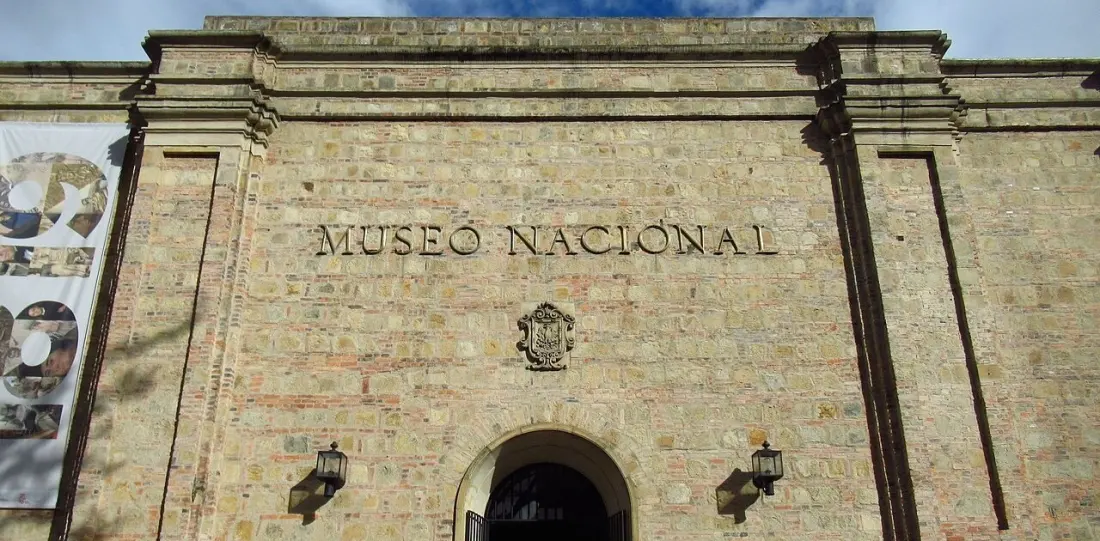
One of Latin America's oldest museums has become the unlikely battleground in Colombia's latest political fight. In mid-October, dozens of artefacts were quietly pulled from the National Museum in Bogotá — everything from a pride flag to the pen used to sign the 2016 peace deal with the FARC — on the same day President Abelardo de la Espriella declared a 'cultural counter-revolution' and pledged a fight against what he calls 'wokism'.
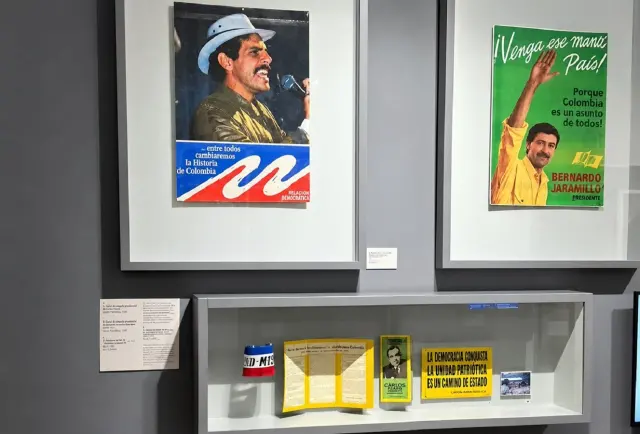
The removed items aren't fringe objects. Nearly 30% relate to LGBTQ+ history, including Ventana Gay, the country's first gay rights publication from 1980, and photographs of early pride marches. Seven feminist works came down too, among them the manifesto of Colombia's 1978 campaign for contraception and abortion rights. Pieces tied to the armed conflict and democratic milestones also vanished from the galleries: El Balígrafo, the bullet-shaped pen used to sign the 2016 peace accord, the original ballot from the 1990 Séptima Papeleta student movement that triggered Colombia's current Constitution, and materials on assassinated leftist figures Carlos Pizarro Leongómez of M-19 and Bernardo Jaramillo Ossa of the Patriotic Union.
The backlash was fast. Protesters gathered outside the museum over the following weekend, and by Monday teachers were holding open-air classes on the pavement. Universities including Universidad de los Andes, Universidad del Rosario and Pontificia Universidad Javeriana publicly objected, with museologists arguing that curation is a research-driven process, not a political directive. Senator María Pizarro — daughter of the M-19 leader — led demonstrations and criticised police use of water cannons. Former president Juan Manuel Santos, whose peace deal the pen symbolises, weighed in that national memory should unite rather than divide.
The administration has also hit legal walls. A Bogotá family judge imposed a precautionary measure blocking the destruction, alteration or transfer of the artefacts outside the museum, and the Defensoría del Pueblo, the national human rights ombudsman, formally demanded answers from Culture Minister Paola Holguín — including where the pieces are being stored, which is currently unclear.
For travellers, the practical upshot is this: Bogotá's National Museum remains open and is free to enter, but some of its most significant galleries are visibly changed, with empty walls where key chapters of Colombia's modern history used to hang. If you're visiting to understand the country — its peace process, its social movements, its constitution — you may find those stories partly missing for now, though the court order raises the prospect of the artefacts returning. It's also worth knowing that the museum sits near other essential memory sites, like the Museo de la Memoria y los Derechos Humanos, which documents the armed conflict and remains unaffected. The episode is a live story in the capital, and the protests themselves have become part of the city's public life — a reminder that in Colombia, history isn't just displayed in museums. It's argued over on the street outside them.
Reporting by The Bogotá Post.