Two hours north of Hanoi, Thái Nguyên province is quietly positioning itself as Vietnam's tea-capital-turned-ecotourism-hub — and the numbers suggest it's working. The province hosted over 7.3 million visitors in the first nine months of 2026, up 15.4% year on year, with international arrivals jumping nearly 25% to over 301,000. Tourism revenue hit roughly VNĐ10.5 trillion (about US$406 million), a 61.7% leap.
The draw is hands-on rather than manufactured. Around Tân Cương's tea hills — this is Vietnam's tea heartland — visitors at cooperatives like Tiên Yên pick young tea buds, then roast and roll the leaves by hand before drinking the results. One German traveller profiled in local reporting described the process as an eye-opener on how meticulous traditional tea-making really is. Guests can stretch it into a two-day stay: cycling the hills at dawn, eating dishes cooked with fresh tea leaves, and trying green tea peanut candy. The cooperative itself runs more than three hectares of gardens with ponds, wooden bridges, huts and six guest rooms, working with local households for a combined 30 hectares under tea — five of them certified organic under VietGAP standards. Around 10,000 people visit each year, roughly 30% of them international.
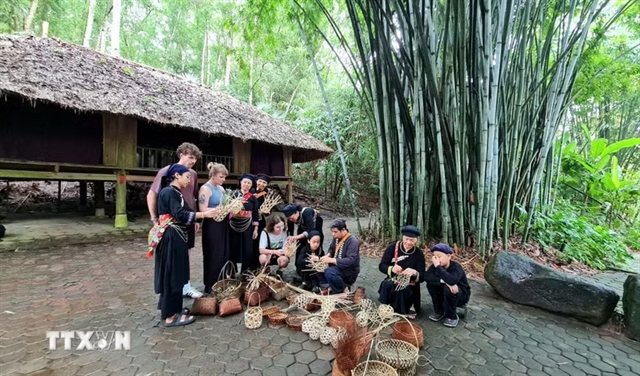
Nearby, Thái Hải Village offers a different layer: Tày ethnic culture, honoured with a national five-star OCOP rating. Traditional stilt houses, costume, cuisine, rituals and folk songs are still part of daily village life rather than a staged show. Further afield, Ba Bể Lake draws travellers with its pristine waters and rich ecosystem; homestays there arrange boat trips, traditional meals, cultural performances and campfires. Since the start of 2026 the lake area has already logged nearly 35,000 visitors, over 4,000 of them from abroad.
The province's tourism department has framed its strategy explicitly around green, community-based tourism — culture as the foundation, local people as central participants. Priorities include tea culture, revolutionary and historical heritage, lakes, forests and ethnic identity, alongside plans for digital transformation and better links with Hanoi and other major hubs. The targets are ambitious: by 2030, Thái Nguyên wants 12 million annual visitors, 1 million of them international, revenue of about VNĐ25 trillion and some 10,000 tourism jobs. Current key markets are South Korea, Japan, China, Europe and ASEAN, with India, Australia, the US and Canada on the expansion list.
Why it matters: if you've done Hanoi, Ha Long and Hoi An and want something genuinely low-key, this is the kind of place Vietnamese domestic travellers keep to themselves — rolling tea country, ethnic minority villages and a huge lake, all within reach of the capital. It suits slow travellers, photographers, food-focused visitors and anyone keen on agritourism or community stays rather than resorts. Go before the international marketing push arrives and the tea hills still feel like yours.