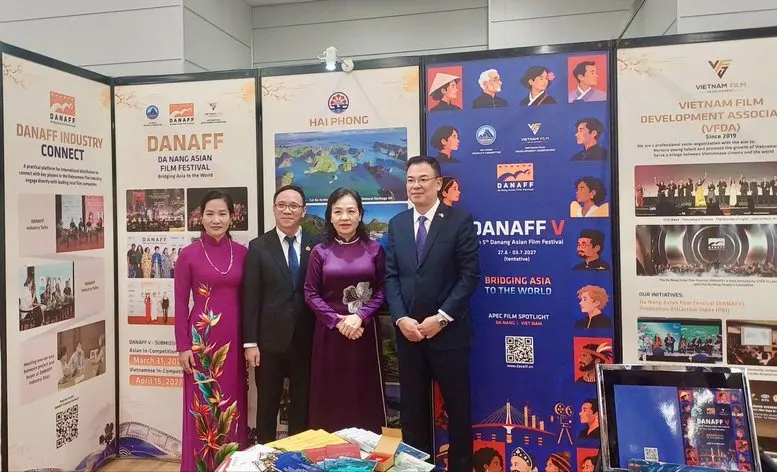
Vietnam's film industry has been quietly building a trade presence across Asia's biggest content markets, and its latest stop was TIFFCOM in Tokyo — one of the region's leading film and content marketplaces. The Vietnam Film Development Association (VFDA) ran a national pavilion at Booth 2-01, following an earlier push at the Busan International Film Festival and a return to TIFFCOM after its debut there in 2025.
The numbers behind TIFFCOM explain why the effort matters. This year's market drew 322 exhibitors and close to 4,600 trade visitors from 46 countries and territories — producers, distributors, investors and rights holders all in one building. The Vietnamese pavilion, opened under VFDA president Dr. Ngo Phuong Lan and attended by Vietnam's Ambassador to Japan Pham Quang Hieu plus officials from Hai Phong and Quang Ninh provinces, was positioned as a permanent base rather than a one-off exhibit. The idea: Vietnamese directors and producers get a standing place to pitch projects and meet buyers in Tokyo, whether or not a Vietnamese film happens to be in the festival lineup that year.
Three priorities anchored the pitch. First, the fifth Danang Asian Film Festival (DANAFF V), positioned as an ongoing bridge for international partnerships. Second, a Production Attraction Index (PAI), a framework aimed at foreign studios considering where to shoot. Third, the locations themselves — visual showcases of Quang Ninh, Da Nang and Hai Phong, with provincial leaders on hand to connect the scenery to actual local support policies for film crews.
The pavilion also doubled as a launchpad for Vietnamese creators heading abroad. Producer Luong Minh Hang presented the animated project 'Secret Academy: The Comet Race', directed by Nguyen Phi Phi Anh, co-produced with Dee Dee Studio and distributed by CGV. On opening day, the booth drew executives from Gateway Entertainment, NTT DOCOMO Studio & Live and Hong Kong's TVB. A seminar on October 29, 'Vietnamese Cinema in a Connected Asia', tackled how Vietnamese storytelling can keep its cultural identity while landing co-production deals and global distribution.
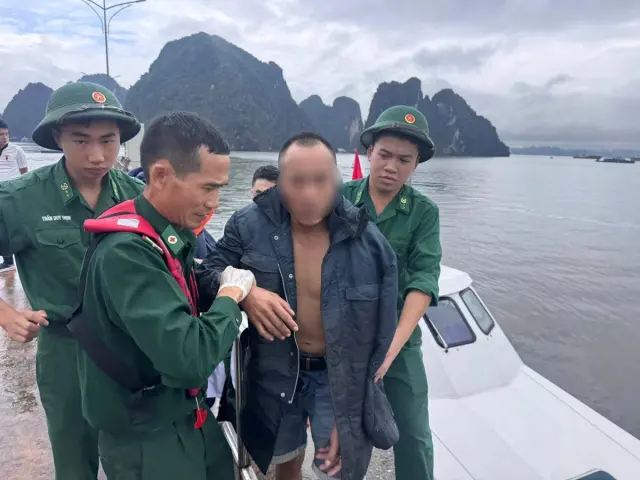
For travellers, the takeaway is that Vietnam is actively courting international film crews — and that tends to trickle down. Locations promoted at trade fairs often become the places featured in upcoming films and series, which drives tourism interest in destinations like Ha Long Bay next door to Quang Ninh, Da Nang's beaches, and Hai Phong's port-city character. Expect more screen-friendly infrastructure, film tours and buzz around these provinces in the coming years.
It's worth noting the VFDA runs these trade missions without dedicated state funding, relying on member production companies and diplomatic support — a sign of how seriously the local industry wants the international exposure. The strategy has shifted from simple image-building toward deal-making, co-production and positioning Vietnam as a practical shooting destination for foreign studios.