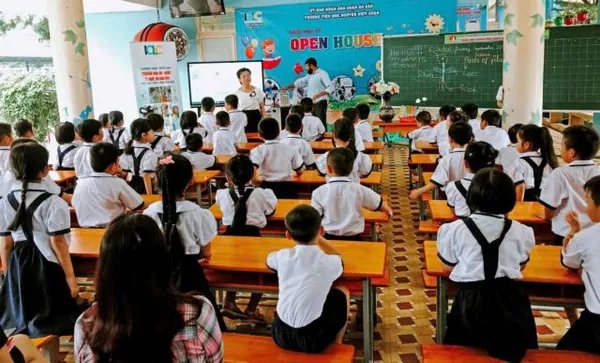
For years, Hà Nội has been one of the easiest places in Asia for a native English speaker to land a decent-paying teaching job. That era may be ending. A new school year has started in Vietnam and, unusually, a significant number of foreign ESL teachers are still sitting in their apartments with no classes to teach — a symptom of a policy shake-up that is squeezing the 'linked programme' model, where private language companies place foreign teachers into public schools during the regular week.
The context matters. Public schooling in Vietnam became free from preschool through Grade 12 in 2025, and linked English lessons — charged at up to VNĐ1.1 million per month — increasingly looked like tuition by the back door. In April, National Assembly Deputy Nguyễn Thị Thủy proposed banning schools from slotting these paid classes between regular lessons, arguing that schools shouldn't operate as fee-collecting businesses. Meanwhile, Hà Nội's framework for foreign language teaching in schools, in place since 2019, expired with no replacement, and new rules from July force schools to publish details of foreign partners and their teachers' credentials.
If this sounds familiar, that's because it echoes China's 2021 'Double Reduction' crackdown, which killed off for-profit tutoring in core subjects — English included — and left thousands of teachers jobless. The difference is that Vietnam isn't rejecting English in schools; the government still wants plenty of it. It's targeting the commercial model and patchy quality. And quality is a real issue: classes of 30 to 50 students, many without the English level to benefit, make effective teaching nearly impossible regardless of the teacher's skill.
For now, the Ministry of Education and Training and city departments are reviewing company proposals aimed at tighter oversight and better standards, with at least one major provider securing approval — but many teachers remain stuck, with visas and work permits tied to employers that currently have no classes to give them.
The longer-term picture is the part any aspiring expat teacher should absorb. Vietnam wants to raise the standard of its local English teachers rather than keep paying a premium for foreign staff, and the foreigners who do get hired will need clearer, stronger qualifications than ever. Pay could stagnate or even drop for the same work. The columnist — a teacher of nearly a decade in the country — goes as far as warning would-be arrivals to stay home for the first time.
Why does this matter on a travel site? Because teaching English has long been one of the main routes travellers use to live and work in Vietnam, and the calculus has genuinely shifted. It's not a blanket 'don't come': qualified, experienced teachers may still find solid opportunities, possibly even better ones as the market culls unqualified entrants. But the days of arriving with a backpack and a TEFL certificate and walking into evening-and-weekend work are gone. Anyone eyeing Vietnam for a working year should bring proper credentials, expect daytime hours, and research employers carefully before signing anything tied to a visa.
Vietnam News Life