Day 41 of a long walk through Galicia, and the crowd was coming the other way. A pair of hikers tackling the Camino Portuguese in reverse — southbound from Santiago de Compostela rather than north toward it — covered the 10.5 miles from Milladoiro to Padrón, pushing their total past 556 miles. Their account shows just how different an 'anti-pilgrimage' is from the classic experience.
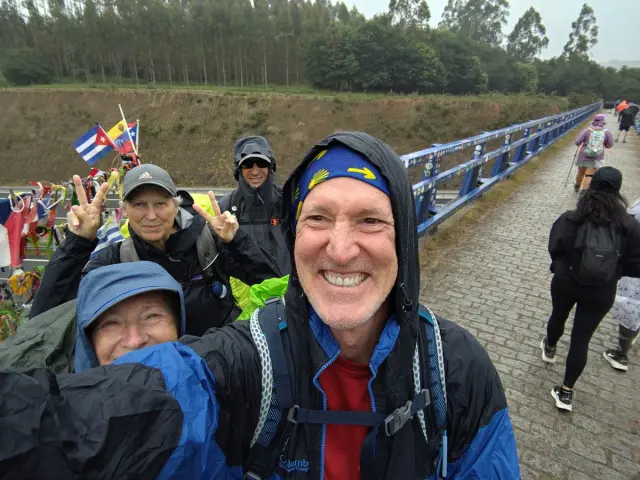
The obvious issue is other people. On the final stretch before Santiago, everyone walks north, so a southbound hiker is a curiosity. Nearly every pilgrim looked up, made eye contact and wanted to chat. After an hour of handing out 'Buen Camino' every couple of minutes, the pair gave up and adopted what they called zombie hiking — eyes locked on the trail to avoid greeting thousands of walkers a day. They passed over a thousand people in the first two hours alone, because this section is the last 100 km that Portuguese-route pilgrims need to qualify for the Compostela certificate. Expect music from portable speakers, street musicians, and souvenir sellers and stamp stations every hundred metres.
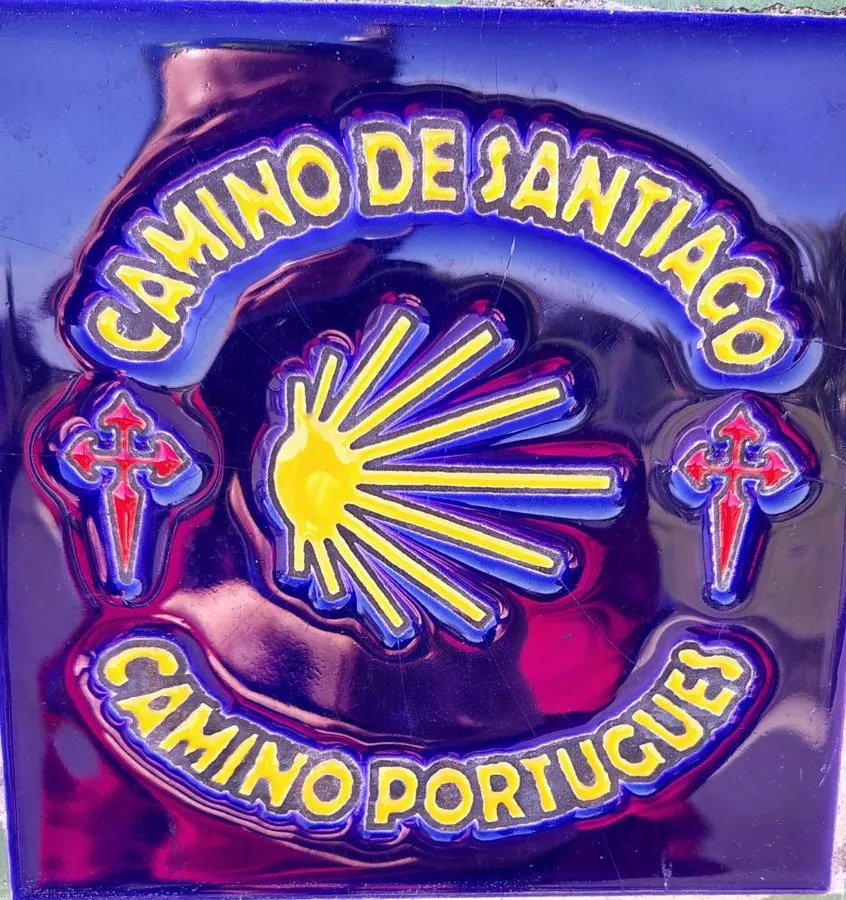
Wayfinding is the bigger headache. The familiar yellow arrows all point towards Santiago, so from the other direction they're painted facing away from you, and they're scarcer here than on the Camino Francés anyway. The hikers also picked up faint blue arrows (possibly marking a route towards Fátima) and later red ones, which led them down a narrowing forest path strewn with toilet paper — clearly the wrong track. Their fixes: stick religiously to the right edge of the path to dodge oncoming walkers, and when lost in the maze of medieval hamlets, trust Google Maps. It steered them through alleyways barely a few feet wide between stone houses and back onto the official trail.
The upside? Detours through the back lanes meant dodging the crowds and the litter, and stumbling across villages most pilgrims never see. The day itself was lovely — low 60s and sunny, a route threading cobblestone hamlets and forest tracks, past the road-worn cathedral at A Escravitude and finally into Padrón, where the cathedral was under scaffolding and a riverside walk led to an old Roman bridge below a hilltop convent.
Why does this matter if you're planning a Camino? Because walking against the flow is a genuinely different trip: you trade the social camaraderie of the pilgrimage for solitude, constant navigation puzzles, and a front-row view of every oncoming face. It also flips the crowd equation — Padrón is where most 100 km section-hikers start, so the thick traffic thins out the moment you push south of it. If the Francés feels too busy for you but you still want yellow arrows and pilgrim infrastructure, the Portuguese route is the gentler alternative; and if you've already done it one way, going backwards turns a familiar trail into something new.