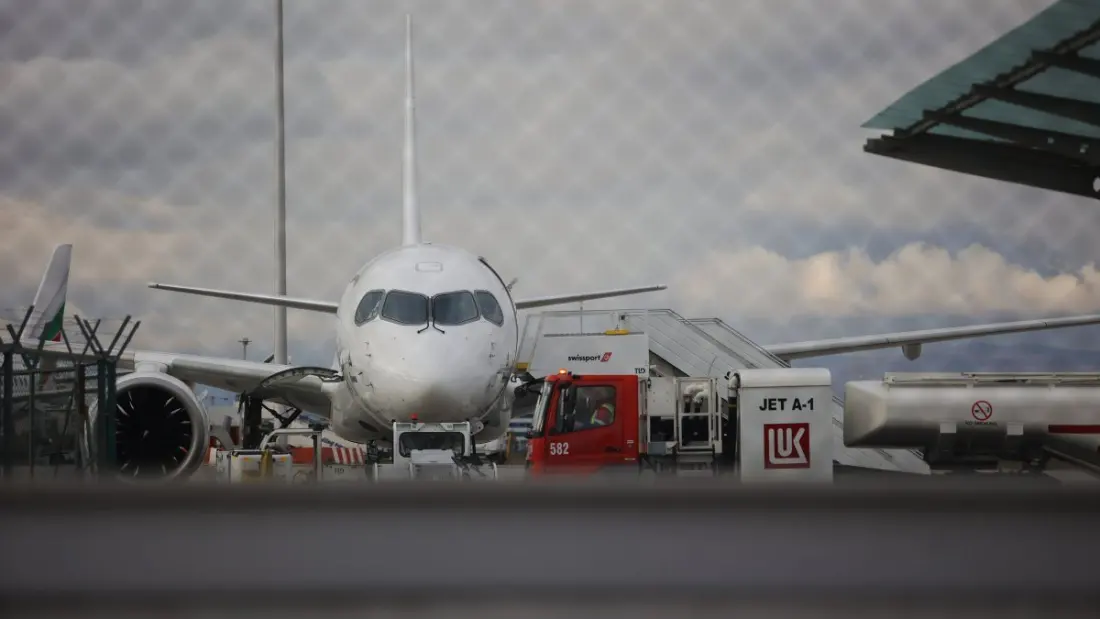
Dozens of European flights were hit by bomb threats in a single week this November, forcing diversions, emergency landings, military fighter escorts and time-consuming aircraft searches. No explosives were ever found and nobody was hurt — but the sheer volume of hoaxes in such a short window has security officials worried that this is something more organised than random mischief.
The affected flights were spread across the continent. In Amsterdam, military police briefly detained a man at Schiphol over a threat against a departure to Prague; the aircraft carried on to the Czech capital that evening and the man was released the next day. One threatening email sent to Rome airport authorities claimed to come from a self-described anti-feminist group targeting what it called a "feminist regime", and a second European airport received a message with similar wording. Investigators have not confirmed a link between the senders.
Europe's air traffic authority says the overall impact on flight operations has stayed limited, which is the key reassurance for anyone with a trip booked. Airlines still have to take every threat seriously — that means inspections, delays and the occasional escort — but established response procedures are working. Osprey Flight Solutions, an aviation security firm, points out that NATO jets can be scrambled to shadow aircraft when needed, and urges passengers not to panic.
The bigger question is who is behind it all. Officials have not attributed the threats to any state, and no group has claimed them convincingly. But the aviation hoaxes arrived alongside a string of other incidents: drone incursions, tampering with supermarket refrigeration systems, threats to Ireland's RTE, Sky News and Bulgaria's NOVA TV, and the personal details of Italian Foreign Minister Antonio Tajani leaked onto the dark web — an attack Italy's premier blamed on pro-Russian hackers. Analysts in Brussels suspect a possible hybrid warfare playbook, designed to test how European governments coordinate and to chip away at confidence in air travel. Iran-linked activity is also flagged as active in parts of Europe, so investigators are keeping an open mind.
Security experts are meeting in Brussels to work out a better collective response, and the economic stakes are real: repeated false alarms mean extra inspections, investigations and rising costs for airlines and airports.
For travellers, the practical takeaway is modest: expect the occasional delay or diversion, don't be alarmed by emergency landings or fighter escorts — they're the system doing its job — and build a little slack into tight connections when flying through major European hubs. Book with airlines and airports that have strong security track records, keep an eye on airline notifications, and remember that these hoaxes, while unsettling, have so far caused disruption rather than danger. If you're flying in the coming weeks, your flight is far more likely to be late than at any genuine risk.