Bhutan charges every adult international visitor US$100 per night just to be in the country, before you've paid for a hotel bed, a guide, a meal or the visa itself. That levy, officially the Sustainable Development Fee (SDF), is the main reason the Himalayan kingdom sits in a different price bracket from neighbouring India or Nepal — and the reason many travellers assume it simply doesn't want visitors.
The reality is more nuanced. Bhutan opened to international tourism in 1974 under a "High Value, Low Volume" policy, originally built around mandatory package rates of $200–$250 per day that bundled in services. When the country reopened after COVID in September 2022, it introduced a $200 nightly fee with no services attached — a move that drew sharp criticism from the tourism industry, since flights and hotels in Bhutan were already pricey. In August 2023 the government halved it to $100 per night, a rate locked in until 31 August 2027. After that, the charge could be reviewed again, so anyone planning a trip beyond that date should double-check.
So where does the money go? Contrary to a common misconception, your $100 isn't earmarked for a specific monastery or conservation project. It goes into the national exchequer and helps fund everything from public healthcare and education to infrastructure, environmental protection and support for local businesses. Think of it as part of the country's broader tax system rather than a park entry ticket.
For a typical four-night visit flying into Paro, the maths looks like this: $400 in SDF plus a $40 visa fee — $440 in government charges before anything else. Then add accommodation, a mandatory certified Bhutanese guide, private transport, meals and your flight. Paro is served by only a handful of airlines into a tricky mountain valley, so airfare can sting. Solo travellers bear the full cost of guide and vehicle themselves; joining a group tour spreads those fixed costs around and often works out cheaper.
Not everyone pays the same. Children aged 6 to 11 pay $50 a night, under-sixes go free, and Indian nationals have a separate arrangement at 1,200 rupees or ngultrum per night, with their own discounted rates. Some Bangladeshi nationals also qualify for special terms.
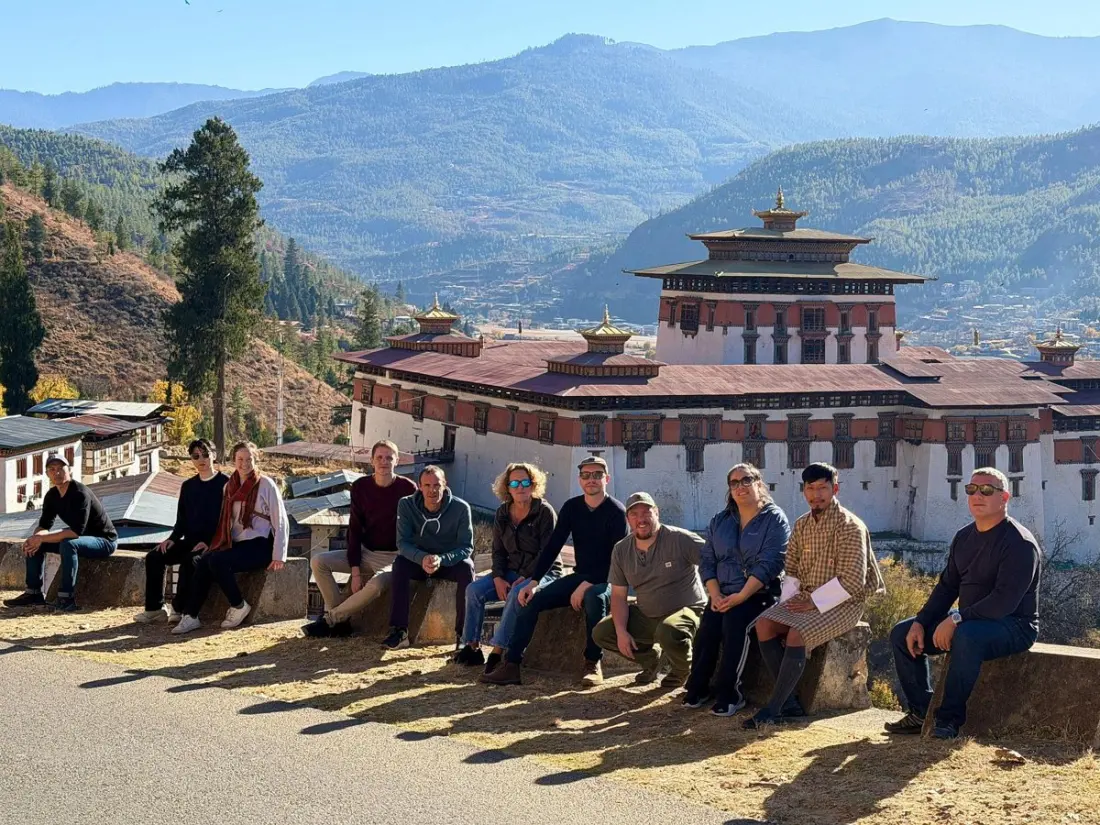
Is it worth it? If your goal is budget backpacking, Bhutan will disappoint. But if you want a country with a functioning constitutional monarchy, fortress-monasteries like Paro's dzongs, the cliff-hugging Tiger's Nest Monastery and a society shaped by seventeenth-century unification, few places offer anything comparable. Timing your trip around National Day on 17 December adds a rare window into the monarchy's public role. The fee buys you a version of the Himalayas that mass tourism hasn't reached — at a price that reflects that.
Story via Young Pioneer Tours.